Short news for quality minds. Power your niche.Smartly curated short news for quality minds. Want your own niche feed? Integrate with us today.

TheReader.AI
Home
News
Integrate
Pricing
About Us
Profile
My FeedNationPoliticsBusinessMarketWorldSportsTechnologyEnvironmentScienceEntertainment

Science News

How space weather powers auroras in the sky and threatens power grids on the ground

How space weather powers auroras in the sky and threatens power grids on the ground

Physics org

Space weather creates beautiful auroras while threatening power grids on the ground. Research in the Journal of Geophysical Research: Space Physics shows that solar activity releases energy that impacts Earth within minutes. These electric currents can damage infrastructure, depending on the soil and rock structure found below your feet.

Tap to Read More8 Nov 7:00 PM
Scientists discover a hidden eye disease that slowly steals night vision

Scientists discover a hidden eye disease that slowly steals night vision

Science Daily

Scientists discovered a new eye disease that slowly steals night vision by affecting peripheral sight. Researchers linked this condition to a specific genetic variant in the EFEMP1 gene. The study, published in JAMA Ophthalmology, examined families from different countries to understand how this change causes vision loss over time.

Tap to Read More22 Nov 10:50 AM
A 194-year-old tortoise has a remarkable anti-aging secret hidden in its DNA

A 194-year-old tortoise has a remarkable anti-aging secret hidden in its DNA

Science Daily

Jonathan, a 194-year-old tortoise, has a secret to his long life hidden in his DNA. Researchers found that his gene regulators stayed stable over two centuries. Dr. Justin Gerlach said, "We found that the gene regulators involved in energy production and DNA repair have remained incredibly stable."

Tap to Read More22 Nov 11:06 AM
DNA’s secret sunscreen may have helped life survive on early Earth

DNA’s secret sunscreen may have helped life survive on early Earth

Science Daily

Researchers at Texas A&M University found that DNA’s building block, thymine, helps life survive intense ultraviolet radiation. By studying how molecules interact with light, the team showed that thymine makes damage easier to repair. "We found that thymine tends to direct UV damage into a more reversible form," said researchers.

Tap to Read More22 Nov 11:33 AM
A mysterious gap hints at black holes born from stars that never exploded

A mysterious gap hints at black holes born from stars that never exploded

Science Daily

New research led by Caltech suggests many black holes formed from stars that never exploded. Scientists used gravitational wave data to find patterns matching these failed supernovae. Katerina Chatziioannou said, "Our data are showing that this group of black holes may have a common origin—they may be a distinct subpopulation."

Tap to Read More22 Nov 11:48 AM
Interstellar solar sails hit a bizarre problem at 75% of light speed

Interstellar solar sails hit a bizarre problem at 75% of light speed

Science Daily

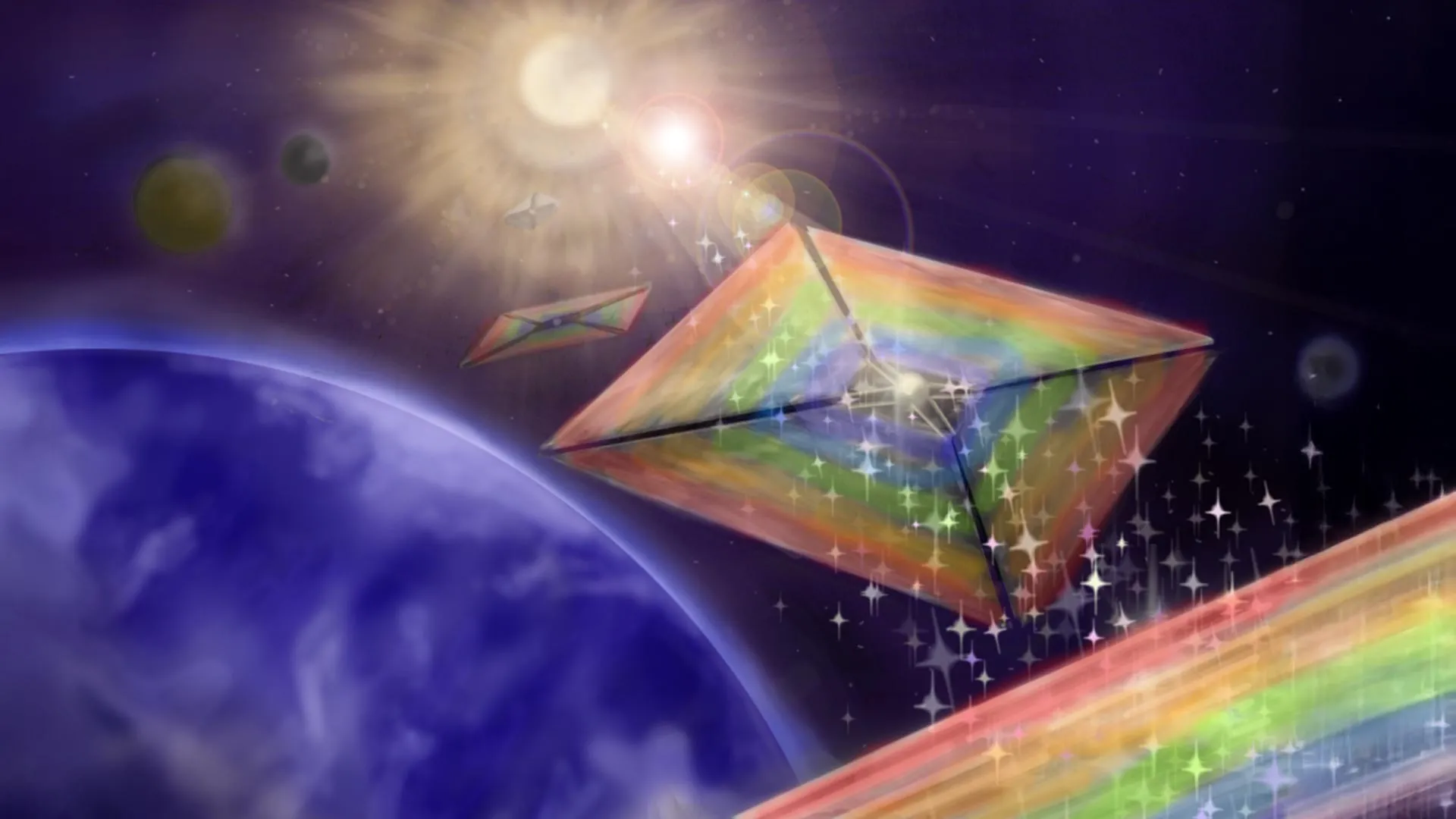
New research shows interstellar solar sails face a strange problem at 75% of light speed. Chao Shen and Jiaze Li found that light can act against a spacecraft moving at extreme speeds. As the sail accelerates, the Doppler effect creates resistance, making it harder for lasers to push the craft.

Tap to Read More22 Nov 12:00 PM
"It's not you, it's me": Is the Moon drifting away from Earth? The 3.8 cm per year phenomenon explained

"It's not you, it's me": Is the Moon drifting away from Earth? The 3.8 cm per year phenomenon explained

MoneyControl

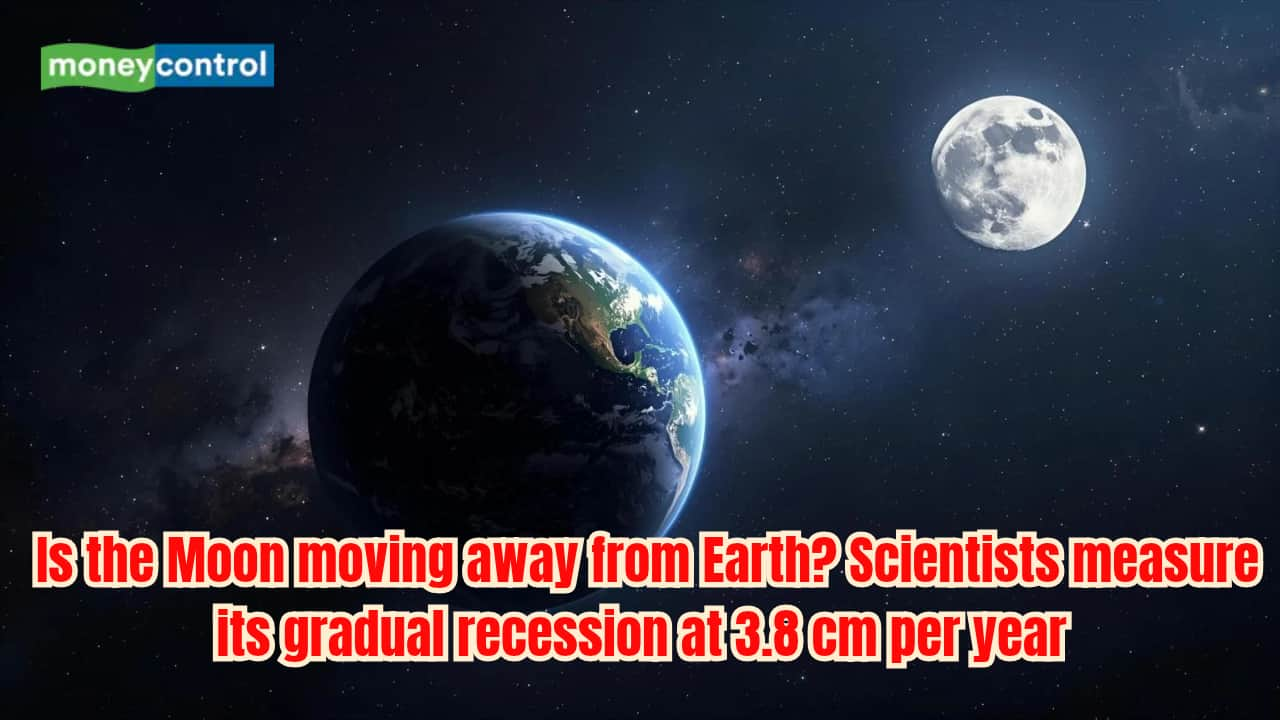
The Moon is gradually moving away from Earth at a rate of 3.8 centimetres every year. Scientists confirmed this phenomenon, known as lunar recession, using laser pulses. While this process slows down our planet's rotation and lengthens our days, experts said it poses no immediate threat to life on Earth.

Tap to Read More22 Nov 6:20 AM
Voyager 1 is a 'ghost' in deep space: A 1970s relic still talking to us from a light-day away.

Voyager 1 is a 'ghost' in deep space: A 1970s relic still talking to us from a light-day away.

The Times of India

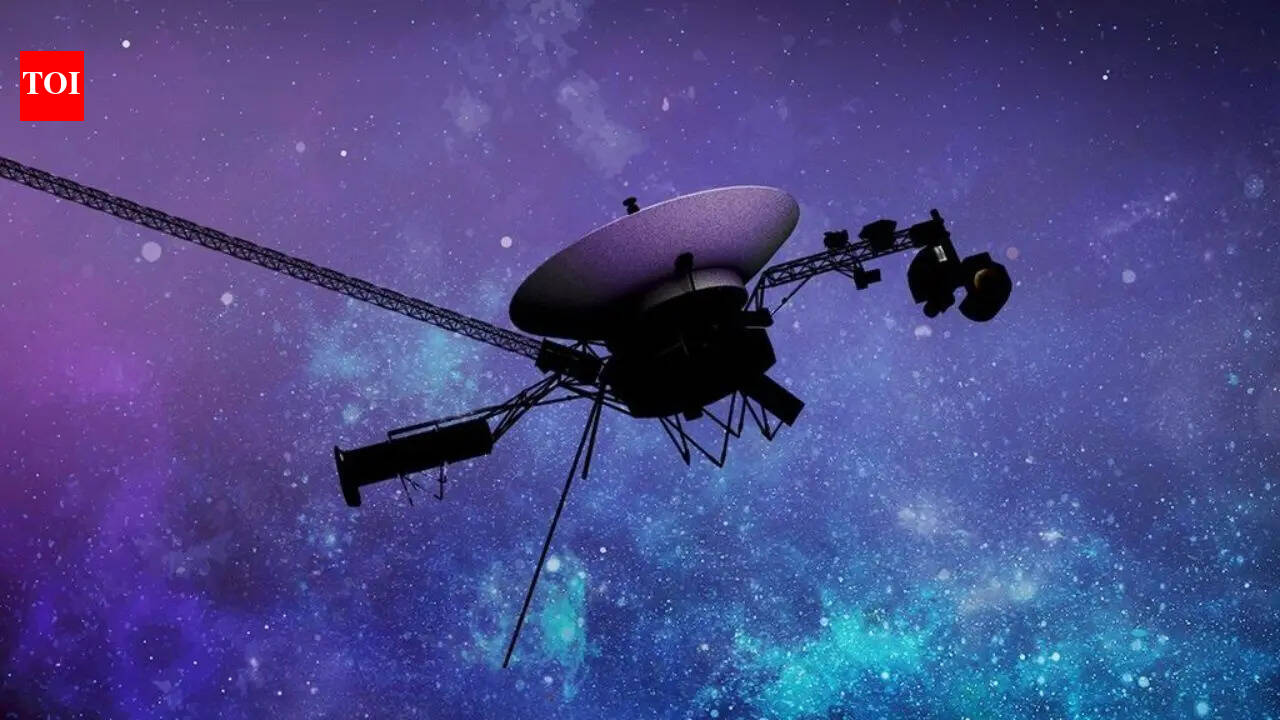
NASA's Voyager 1 reached one light-day from Earth on Nov. 18, nearly 49 years after its launch. The probe is now 16.1 billion miles away. Microsoft AI CEO Mustafa Suleyman said, "Built with 1970s tech, still calling home. Patience is everything." It remains the farthest human-made object from Earth.

Tap to Read More22 Nov 3:09 AM
Nasa's next Moon Promise rover runs on plutonium, built with Mars mission leftovers

Nasa's next Moon Promise rover runs on plutonium, built with Mars mission leftovers

The Times of India

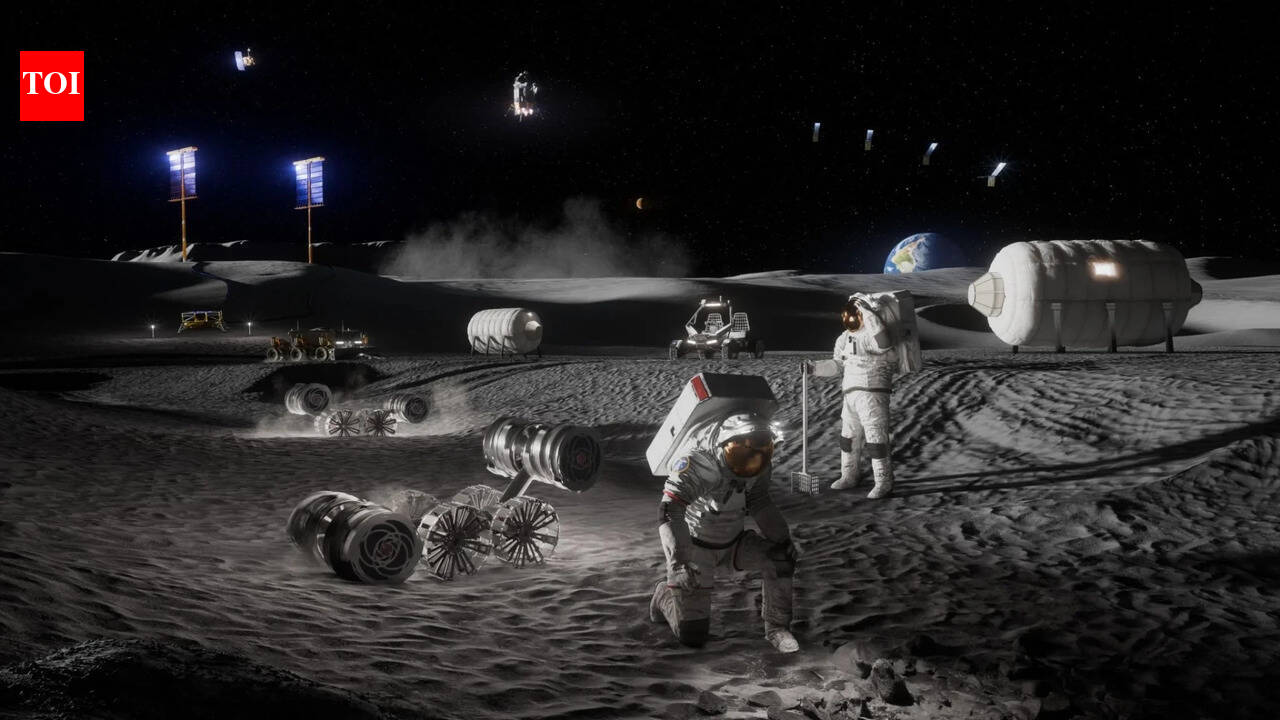
Nasa is building a nuclear-powered lunar rover named PROMISE to explore the Moon's South Pole. Targeted for a late 2028 launch, the rover uses spare parts from Mars missions. It runs on plutonium to survive freezing nights and dark craters, helping scientists map resources for future human moon missions.

Tap to Read More22 Nov 3:12 AM
Einstein’s universe just got 'bizarre': New 5D black holes are breaking everything we know about space.

Einstein’s universe just got 'bizarre': New 5D black holes are breaking everything we know about space.

Economic Times

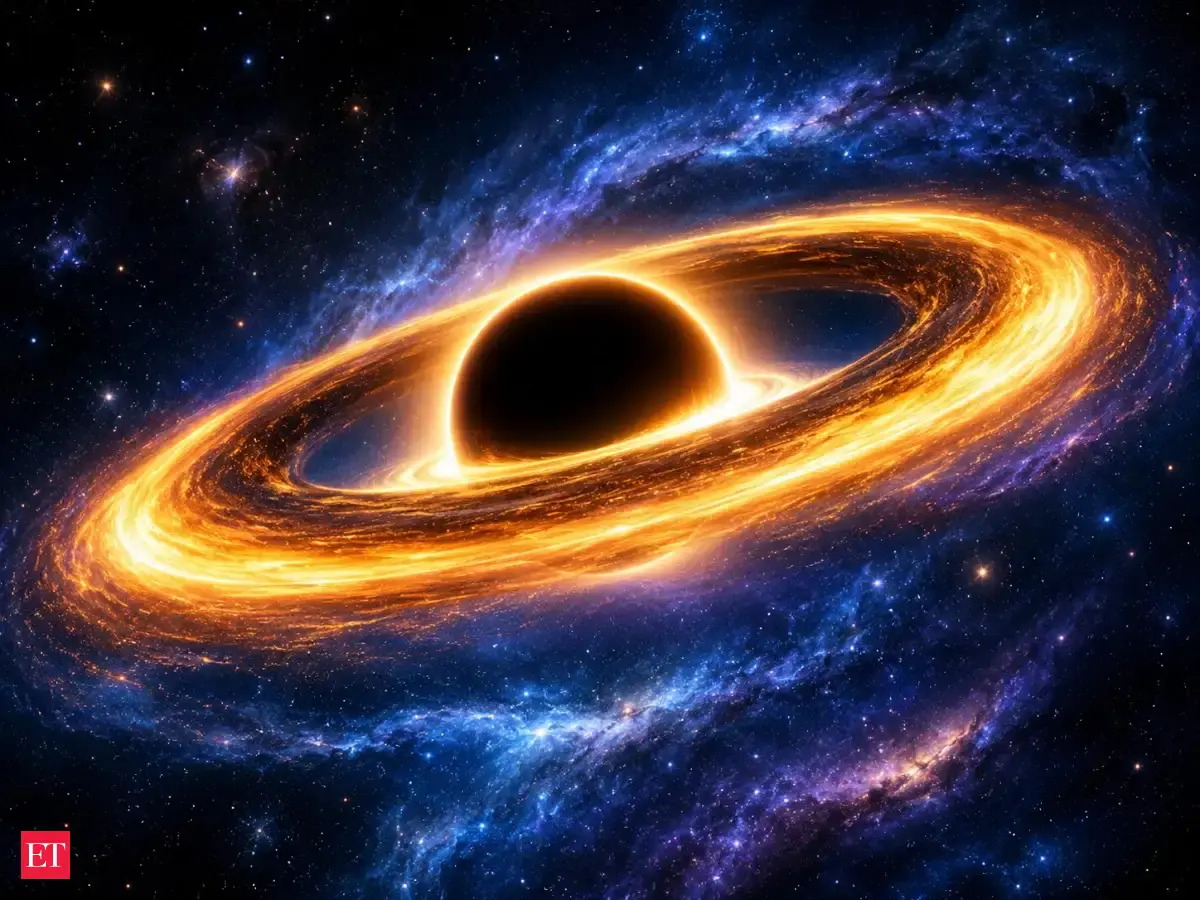
Physicist Armas developed a new mathematical solution for a five-dimensional Black Saturn, where a ring-shaped black hole surrounds a spherical one. This model shows both giants can spin in different directions. While no evidence proves they exist, the work helps scientists explore how bizarre Einstein’s universe can actually get.

Tap to Read More22 Nov 6:20 AM
Timber rattlesnakes are facing a 'silent crisis' as genetic isolation and deadly fungus threaten their future.

Timber rattlesnakes are facing a 'silent crisis' as genetic isolation and deadly fungus threaten their future.

The Times of India

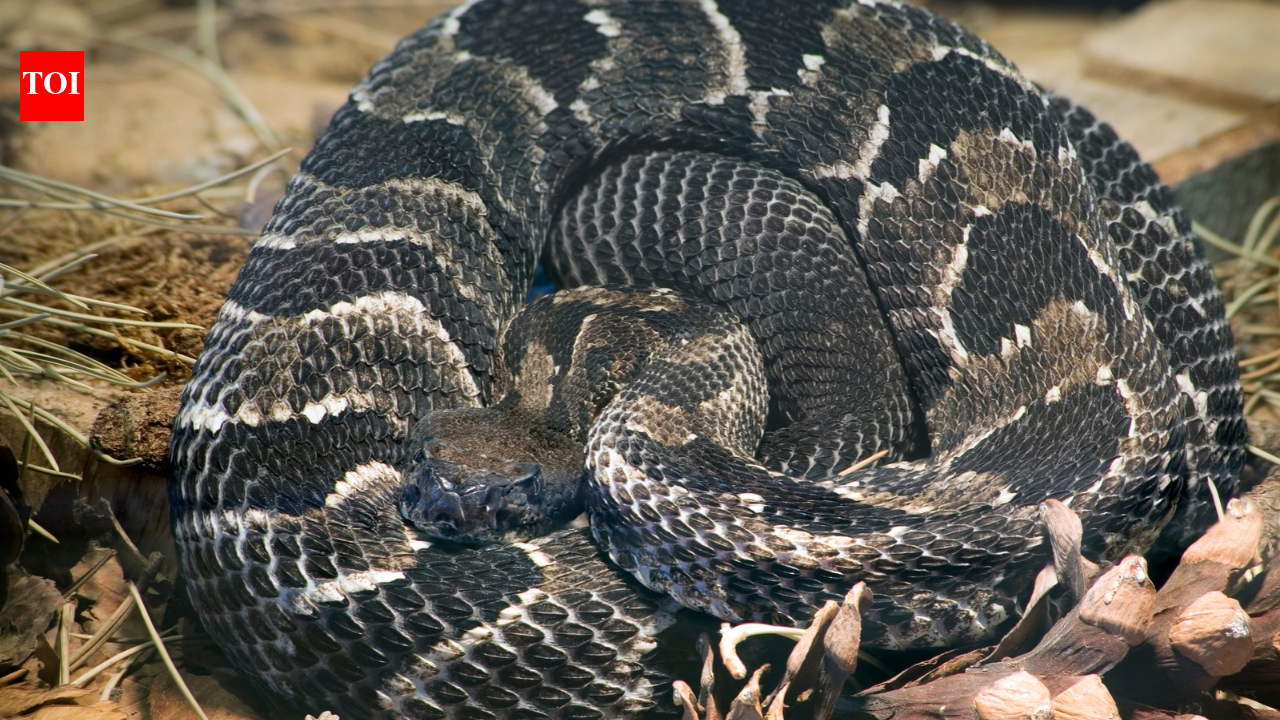
Scientists analysed DNA from 107 timber rattlesnakes across eight US populations to study their health. The study showed genetic isolation and inbreeding risks in some groups. Researchers also found traces of a fungus linked to snake deaths, even in animals that showed no visible signs of the dangerous disease.

Tap to Read More22 Nov 7:00 AM
NASA rover spots 'potato chips' on Mars, and scientists are baffled by their strange shape

NASA rover spots 'potato chips' on Mars, and scientists are baffled by their strange shape

The Times of India

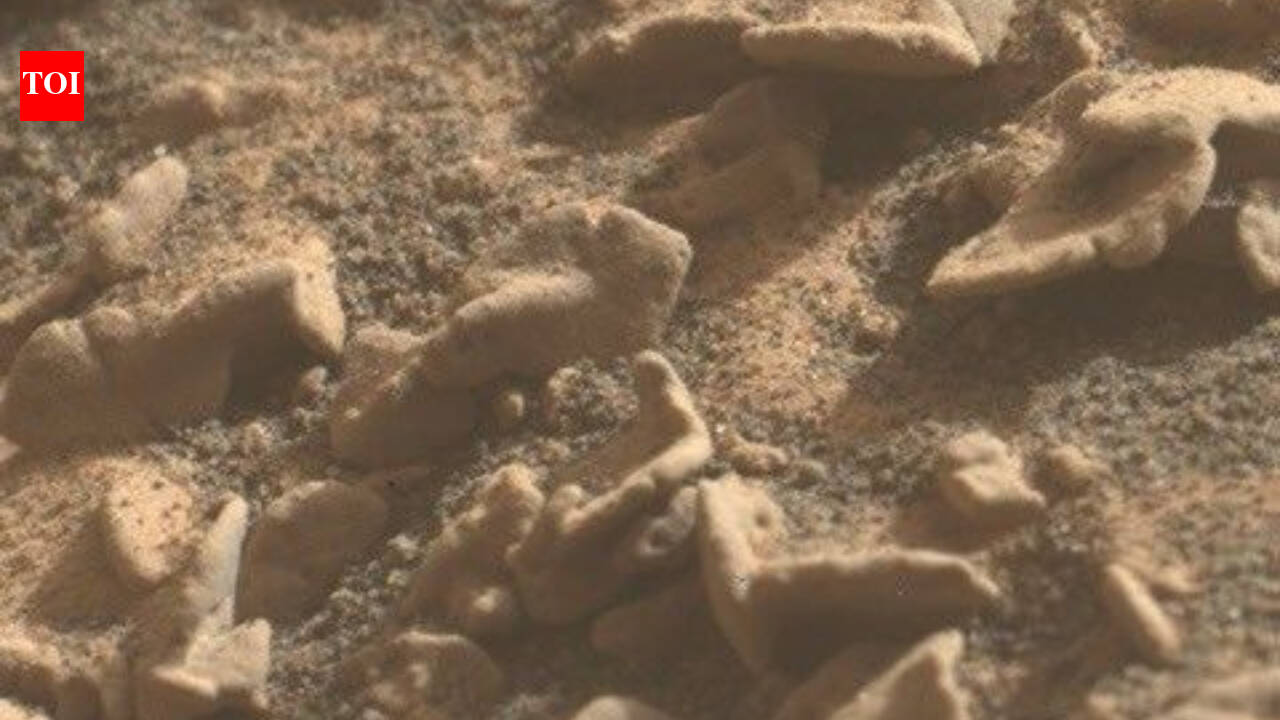
NASA’s Curiosity rover spotted strange, disk-shaped crystal formations on Mars that look like potato chips. The rover found these odd rocks at a site called Nazca. Scientists are now using lasers and lab tools to study them, hoping these shapes show what water conditions existed on Mars long ago.

Tap to Read More22 Nov 8:24 AM
Earth's messenger reaches Mercury: BepiColombo captured by planet's gravity

Earth's messenger reaches Mercury: BepiColombo captured by planet's gravity

India Today

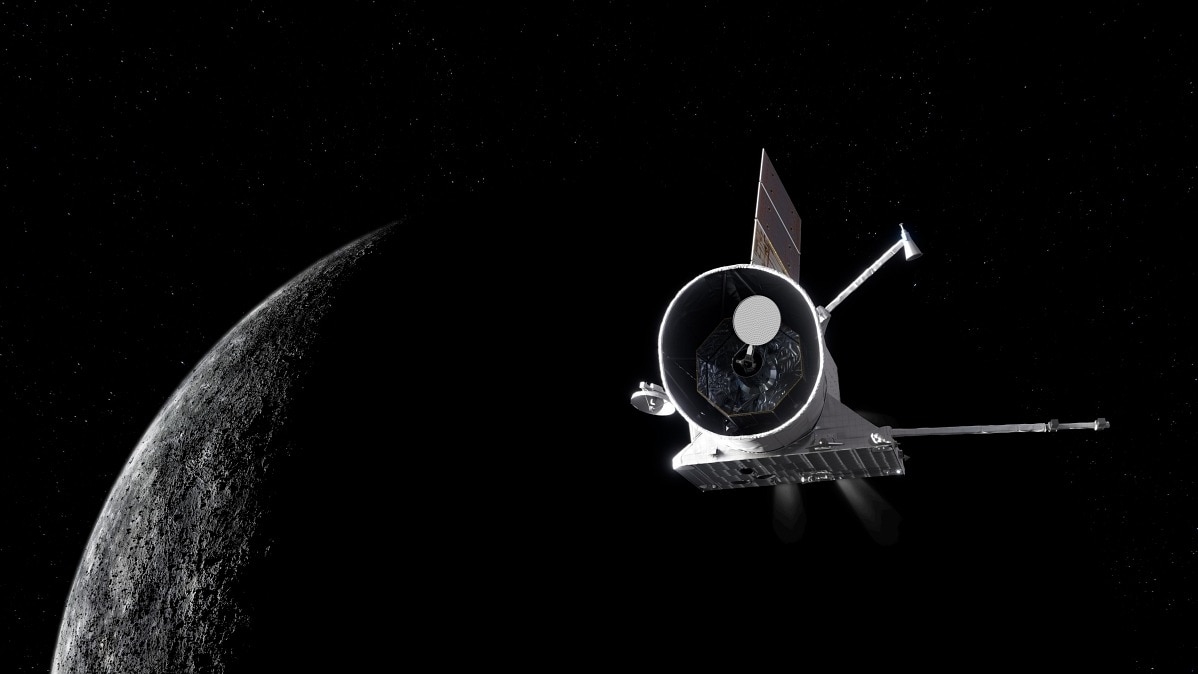
BepiColombo has achieved orbital capture around Mercury after its long journey through the inner Solar System. The European-Japanese spacecraft reached this historic milestone, clearing the way for two orbiters to begin scientific investigations. "We've heard back from Bepi," the mission team said, as engineers assess data from the planet.

Tap to Read More22 Nov 9:24 AM
Page 1 of 6NextTop End

TheReader.AI

Summarization is not about shortening text; it’s about amplifying meaning.

Explore Our Philosophy →

Explore

Live NewsBlogVideosNews APIPricing

Compare

Compare News AppsBest News App Indiavs Inshortsvs Dailyhuntvs JioNews

Company

About UsContact UsEditorial PolicyLLMs

Legal

Terms & ConditionsPrivacy PolicyRefund Policy
TheReader.AI LogoLets Talk!

Copyright © 2026 TheReader.AI, Your intelligent news reading partner | Powered by Candominds Technologies