Short news for quality minds. Power your niche.Smartly curated short news for quality minds. Want your own niche feed? Integrate with us today.

TheReader.AI
Home
News
Integrate
Pricing
About Us
Profile
My FeedNationPoliticsBusinessMarketWorldSportsTechnologyEnvironmentScienceEntertainment

Science News

Reviving the rhino: A true conservation gain

Reviving the rhino: A true conservation gain

Hindustan Times

The Indian Rhino Vision 2020 helped the rhino population grow to over 3,200 today. Once just 20 animals survived in Kaziranga, but strict protection and local support changed everything. Now, these rhinos thrive in safe sanctuaries. This success shows how India saved a species while also protecting vital green grasslands.

Tap to Read More17 Oct 5:28 AM
Can we go beyond the Chandrasekhar limit? New evidence from mathematical simulations

Can we go beyond the Chandrasekhar limit? New evidence from mathematical simulations

Research Matters

Researchers from the Indian Institute of Science and other global institutions used mathematical simulations to study white dwarf stars. They found that magnetic fields allow these stars to exceed the 1.44 solar mass Chandrasekhar limit. These massive objects, called B-WDs, show how magnetic effects change star evolution and stability.

Tap to Read More17 Oct 6:13 AM
Optical imaging links altered metabolism and oxygen use in Alzheimer's disease

Optical imaging links altered metabolism and oxygen use in Alzheimer's disease

Physics org

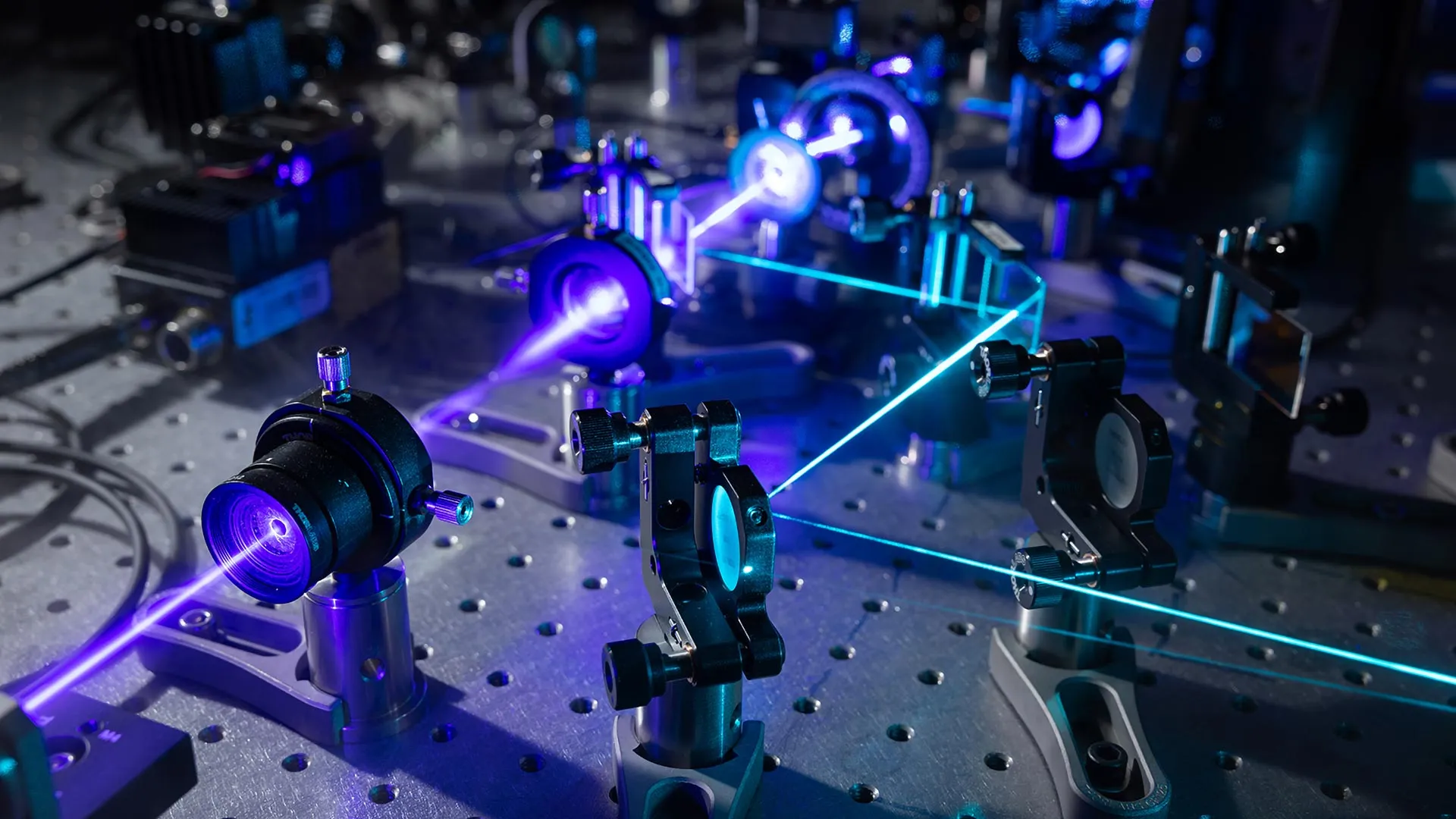
Researchers at the University of Virginia used optical imaging to study Alzheimer’s disease in mice. The team combined two microscopy techniques to measure how brain cells use energy and oxygen. Ammasi Periasamy said, "FLIM and PLIM simultaneous measurement requires precise synchronization between the Zeiss two-photon microscope and the electronics."

Tap to Read More17 Oct 8:16 AM
Japan and Nasa want a piece of Mars' moon. This rocket will go and get it

Japan and Nasa want a piece of Mars' moon. This rocket will go and get it

India Today

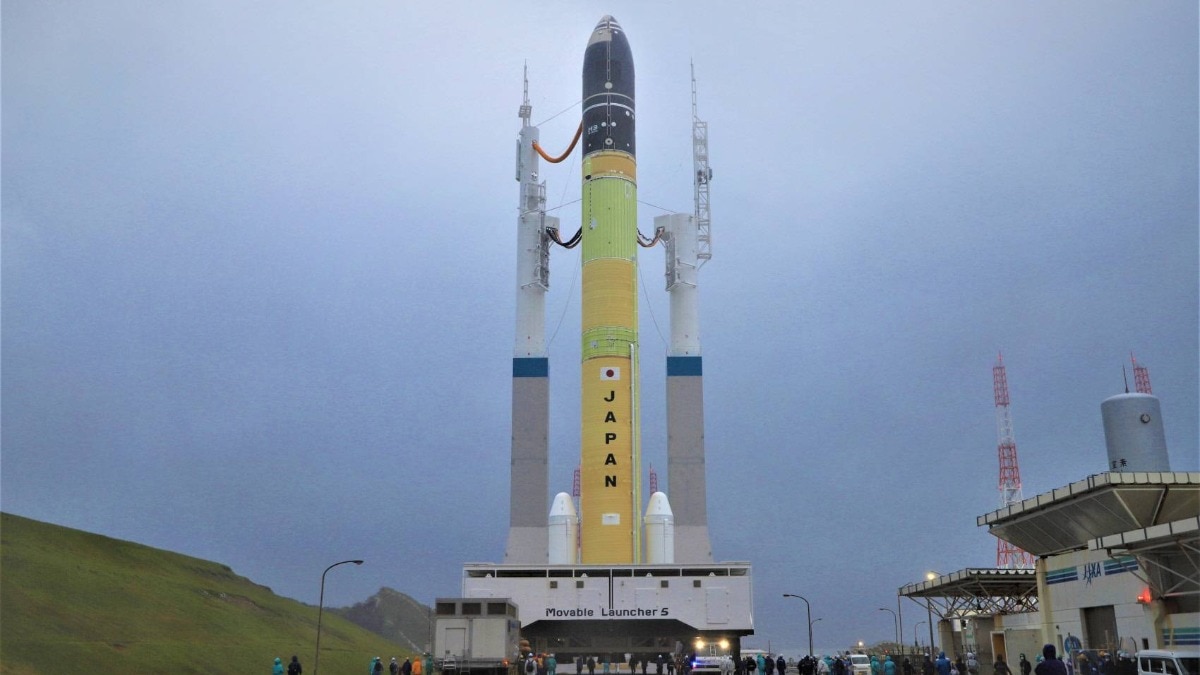
Japan will launch its Martian Moons eXploration mission on October 20 using the H3 rocket. The spacecraft will travel to Mars to study Phobos and Deimos, aiming to bring samples back to Earth in 2031. This flight is a big test for the H3 rocket after its earlier development setbacks.

Tap to Read More17 Oct 7:00 AM
Books over Ipad: Indian-origin child records 141 IQ at 4, enters high-IQ societies

Books over Ipad: Indian-origin child records 141 IQ at 4, enters high-IQ societies

Indian Express

Arjun Prajapati, an Indian-origin child, recorded a 141 IQ at age four. He started reading at 18 months and explored over 3,000 books. Arjun got into Mensa and Intertel after his assessment. His mother said, "We have always tried never to dismiss Arjun's questions, no matter how unusual."

Tap to Read More17 Oct 5:05 AM
Astronomer leads global team on NASA mission to create unprecedented view of the early universe

Astronomer leads global team on NASA mission to create unprecedented view of the early universe

Physics org

University of Missouri astronomer Haojing Yan leads 130 researchers on a NASA mission to view the early universe. Using the Nancy Grace Roman Space Telescope, the team got 386 hours of observation time. Yan said, "The most revolutionary outcomes have been discoveries that were not part of the original plans."

Tap to Read More16 Oct 11:20 PM
SpaceX just delivered some very strange cargo to the International Space Station

SpaceX just delivered some very strange cargo to the International Space Station

Science Daily

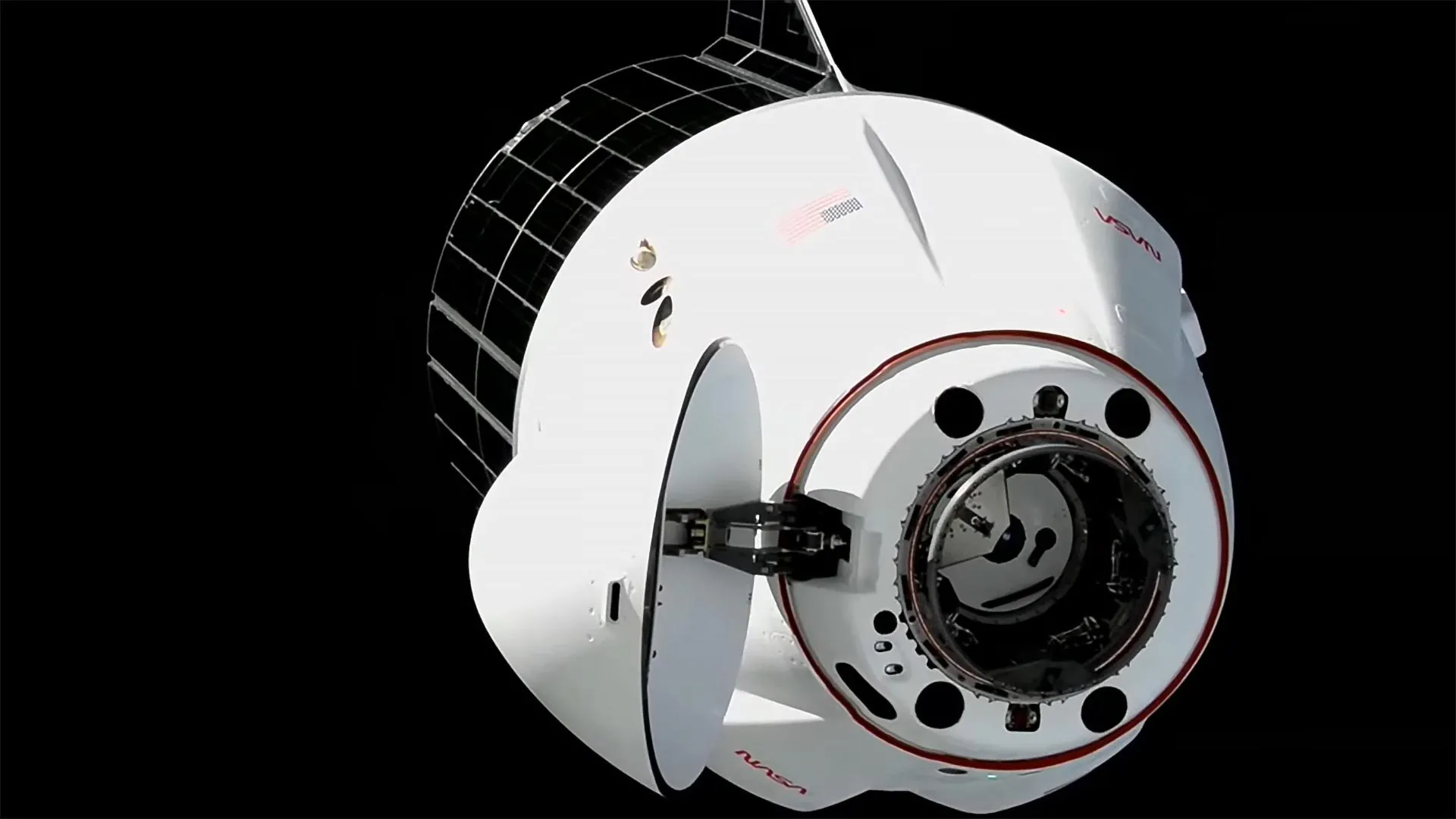
SpaceX started its 35th commercial resupply mission on October 13 at 6:33 a.m. EDT. The Dragon spacecraft delivered solar arrays and medical experiments to the International Space Station. Researchers hope these projects, including artificial retinas and brain organoids, help treat diseases on Earth. The craft stays docked until mid-November.

Tap to Read More16 Oct 11:53 PM
Stanford’s new microscope reveals living cells like never before

Stanford’s new microscope reveals living cells like never before

Science Daily

Stanford researchers created a new microscope that reveals living cells with 120 nanometers of clarity. This system avoids fluorescent labels, letting scientists watch cells move and change naturally. "This new microscope provides a fantastic new view into the cell," said W.E. Moerner. It could help advance future cancer research.

Tap to Read More17 Oct 1:07 AM
Delhi Police, DRDO working on stronger body armour for use during riots

Delhi Police, DRDO working on stronger body armour for use during riots

Hindustan Times

Delhi Police and DRDO are working on stronger body armour for use during riots. Officials said the upgrades aim to strengthen chest and back guards while making gear more ergonomic. The force got 2,400 body protectors in July. This initiative helps personnel perform better while managing crowds and handling confrontations.

Tap to Read More17 Oct 2:11 AM
Keralam: Cheaper Medical testing chips on the horizon

Keralam: Cheaper Medical testing chips on the horizon

Indian Express

Researchers at the College of Engineering Trivandrum developed a cheap way to make medical testing chips. They used inexpensive rubber-stamp sheets to create these devices without needing costly clean-room facilities. Ranjith S Kumar said, “The technology we used addresses these issues while also being cost-effective.” This method allows rapid production.

Tap to Read More17 Oct 2:11 AM
Karnataka: India, Europe jointly observe solar eruptions

Karnataka: India, Europe jointly observe solar eruptions

Indian Express

Scientists from India and Europe jointly studied solar eruptions for the first time using the Aditya-L1 and Proba-3 missions. Experts said, "measurements of CME parameters near the Sun are very valuable for understanding the physical processes." This collaboration helped track faint eruptions, providing deeper insights into how the Sun behaves.

Tap to Read More17 Oct 2:39 AM
ISRO Validates Gaganyaan Module Separation System; First Uncrewed Mission G1 Targeted for 2026

ISRO Validates Gaganyaan Module Separation System; First Uncrewed Mission G1 Targeted for 2026

Republic World

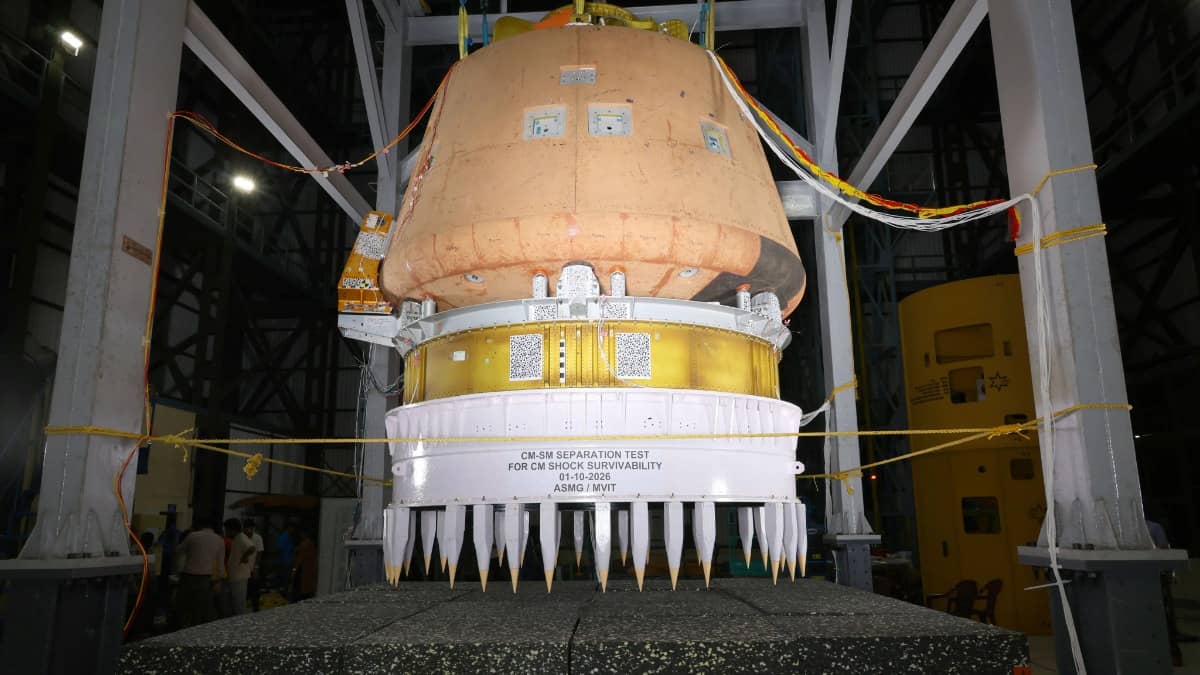
ISRO successfully tested the Gaganyaan Crew Module-Service Module separation system at VSSC in Thiruvananthapuram. These tests validated the design and umbilical connections, ensuring the modules work well together. This success gives the team confidence as they prepare for India’s first uncrewed G1 mission, which is targeted for launch in 2026.

Tap to Read More17 Oct 1:54 AM
Page 1 of 8NextTop End

Site Navigation

Terms & ConditionsPrivacy & PolicyRefund PolicyEditorial PolicyLLMs

Get in Touch

About UsContact UsBlogVideos

TheReader.AI

Summarization is not about shortening text; it’s about amplifying meaning.

Best News App Indiavs InshortsExplore Our Philosophy →
TheReader.AI LogoLets Talk!

Copyright © 2026 TheReader.AI, Your intelligent news reading partner | Powered by CandoMinds