Short news for quality minds. Power your niche.

For over a minute, day will turn to night in Europe: What is a total solar eclipse?

For over a minute, day will turn to night in Europe: What is a total solar eclipse?

India Today

Millions across Europe will see a total solar eclipse on August 12. For over a minute, the Moon will block the Sun, turning day into night. This rare event lets scientists study the Sun’s corona. People should use certified glasses to watch, as looking directly at the Sun causes damage.

Tap to Read More
New clues into how animals evolved an internal compass to navigate Earth

New clues into how animals evolved an internal compass to navigate Earth

Mongabay India

Recent research suggests animals evolved an internal compass independently. About three billion years ago, microorganisms formed iron crystals to survive. Richard J. Harrison said, “Organisms originally developed the ability to grow small magnetite crystals, but then over time, they learned that actually, these larger ones are much better suited to navigational magnetoreception.”

Tap to Read More
‘Motivation cells’ discovered: Scientists identify neurons that help us keep working for rewards

‘Motivation cells’ discovered: Scientists identify neurons that help us keep working for rewards

Indian Express

Scientists identified neurons that help us keep working for rewards. Led by Associate Professor Hiroyuki Mizoguchi and Professor Emeritus Kiyofumi Yamada, the team used genetically modified rats to study orexin neurons. They found these cells connect reward expectation with effort. When scientists activated these neurons, the rats worked much harder.

Tap to Read More
Scientifically Speaking: The killer hiding in plain sight

Scientifically Speaking: The killer hiding in plain sight

Hindustan Times

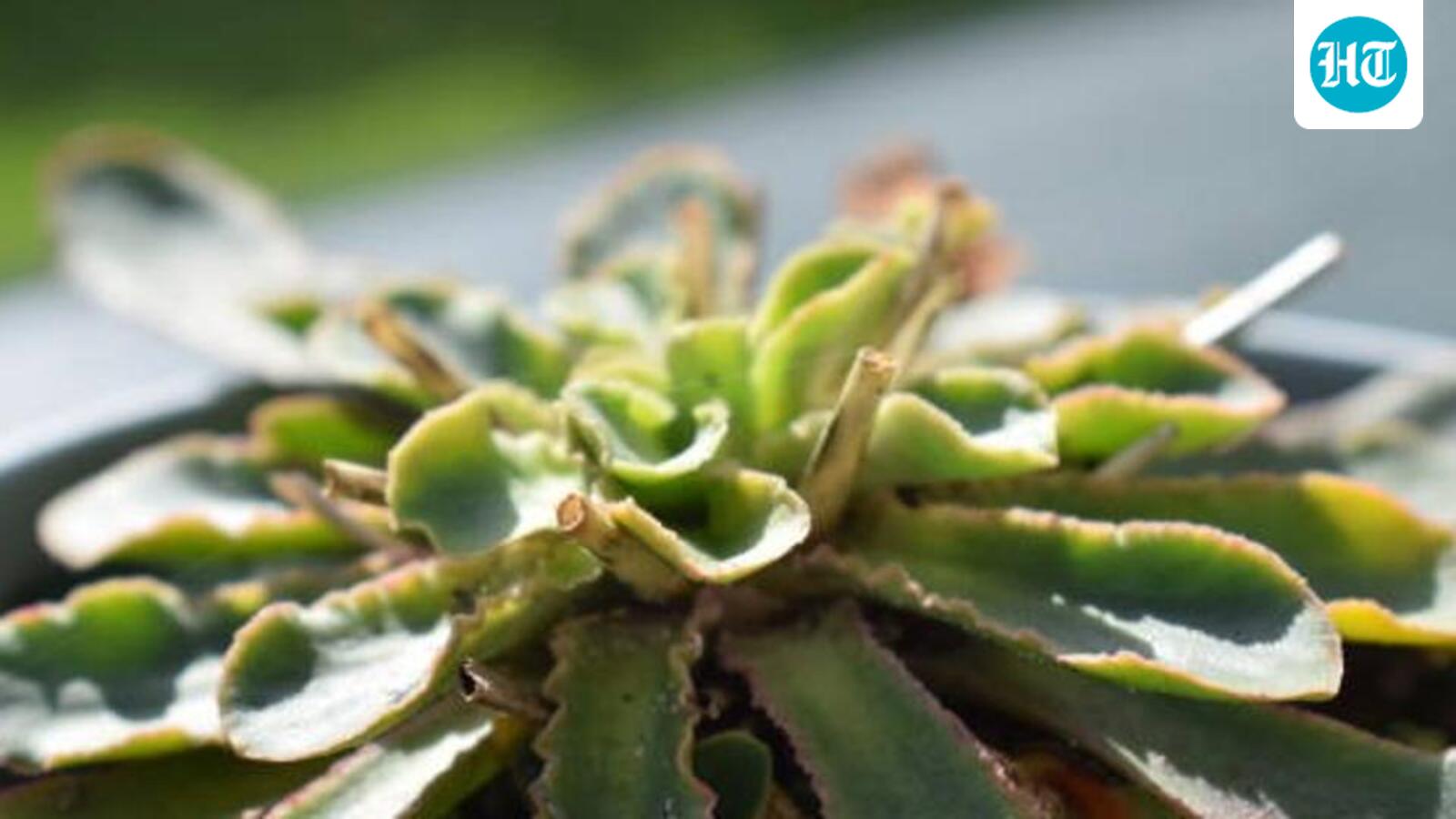
A paper published this week in Nature Communications shows a plant in China is carnivorous. It uses sticky hairs to trap small insects for nutrients. Researchers found the plant lures victims with scent. Larger insects escape to help with pollination, while smaller midges get stuck and provide food for growth.

Tap to Read More
The key to colonizing Mars may be hidden inside asteroids

The key to colonizing Mars may be hidden inside asteroids

ScienceDaily

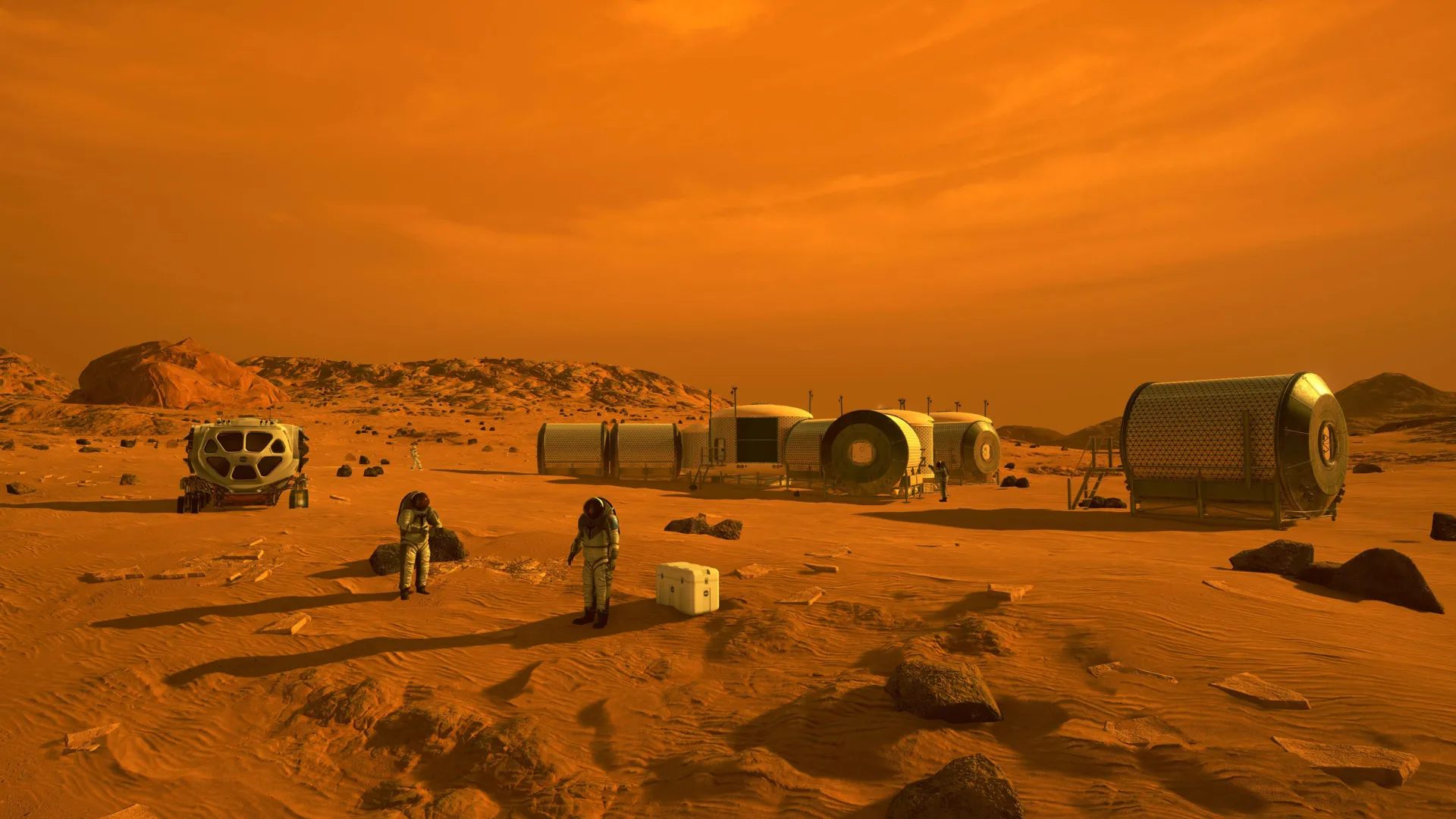
Researchers at EPFL in Switzerland found that mining asteroids could provide essential metals for a Mars colony. Shipping materials from Earth is too expensive and slow for long-term survival. By using space resources for fuel and construction, humans might finally build a permanent home on the red planet instead.

Tap to Read More
Massive monsoon cloud build-up chokes Indian Ocean: Will it lead to heavy rain?

Massive monsoon cloud build-up chokes Indian Ocean: Will it lead to heavy rain?

India Today

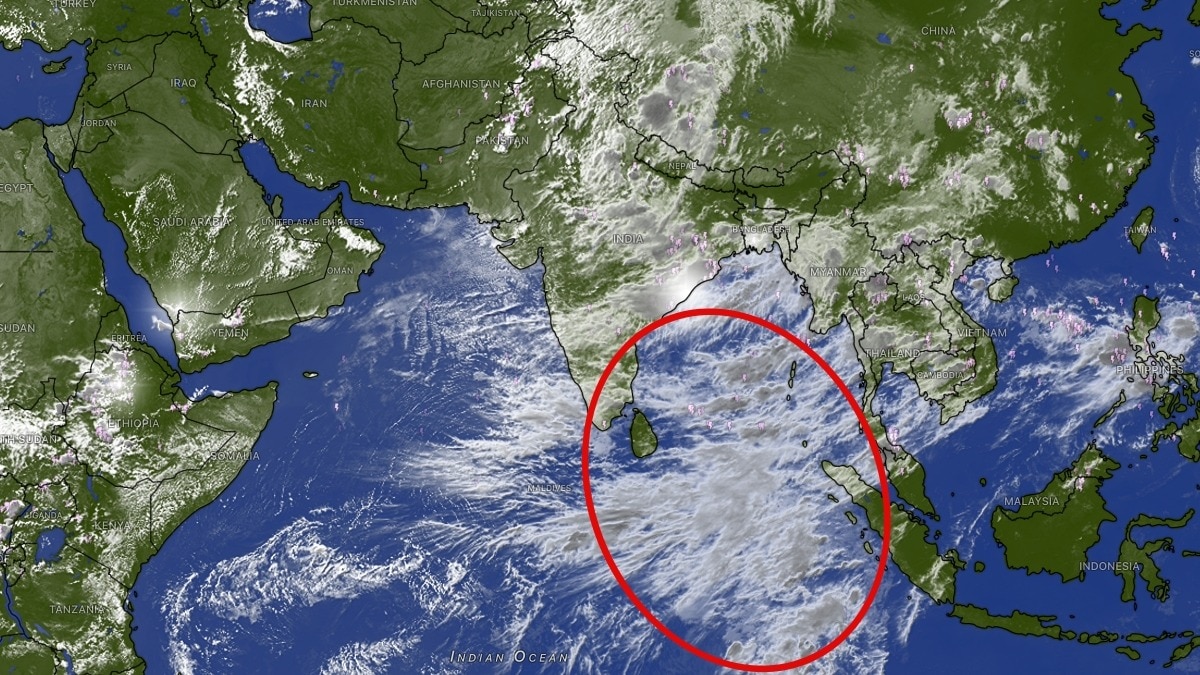
A vast shield of storm clouds has spread across the Indian Ocean, but meteorologists say it lacks the trigger to rain. While moisture is high, the Bay of Bengal shows no sign of a low-pressure system. Experts said the situation is a "loaded atmosphere" where the trigger remains absent.

Tap to Read More
What the night sky offers in August

What the night sky offers in August

The Hindu

August offers a dazzling night sky with many events to watch. On August 12, a total solar eclipse appears, followed by the Perseid meteor shower on August 12 and 13. Venus gets bright on August 15. Finally, a full Sturgeon Moon and a partial lunar eclipse arrive on August 28.

Tap to Read More
Traditional diets shape unique gut microbes of Indian tribes

Traditional diets shape unique gut microbes of Indian tribes

The Hindu

Researchers found that eight Indian tribal populations have unique gut microbes shaped by their traditional diets. Scientists from the National Centre for Cell Science studied 76 healthy adults to show how local food habits influence gut health. Abhijit Kulkarni said, "The dairy component in the diet has exerted an evolutionary selection pressure."

Tap to Read More
AI creates a new virus, but here's why you shouldn't freak out yet

AI creates a new virus, but here's why you shouldn't freak out yet

India Today

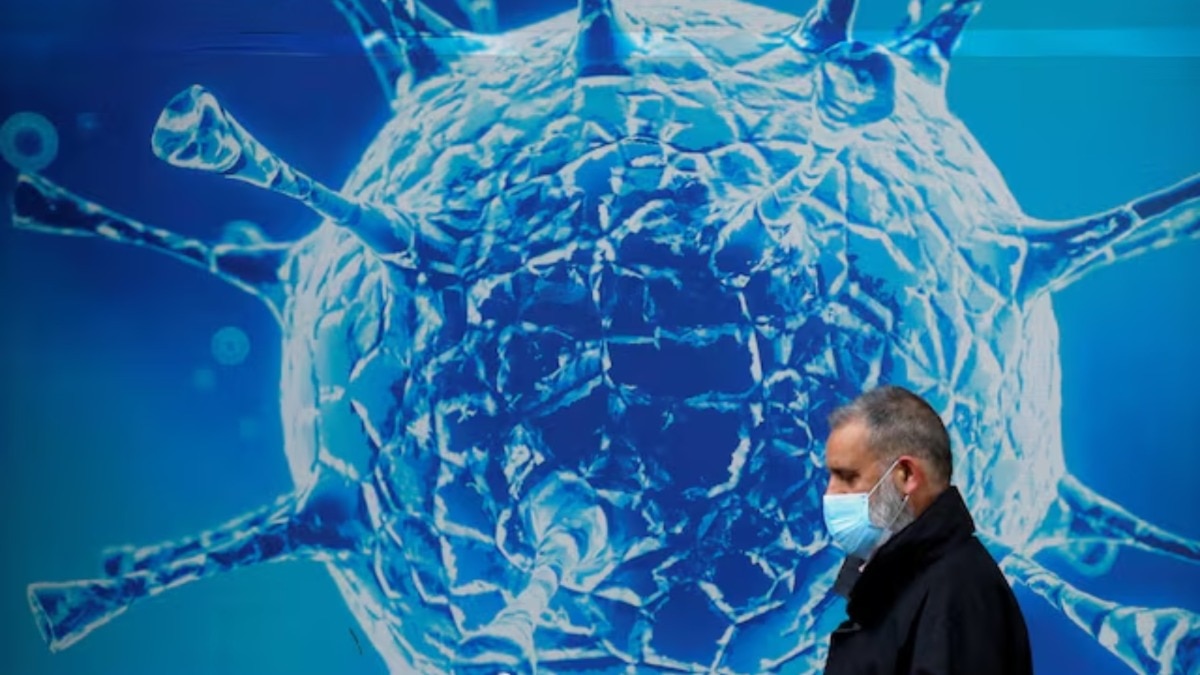
Researchers at Stanford University and the Arc Institute used AI to design 16 new viruses that infect bacteria but not humans. Brian Hie said, "This is a next step in the complexity that's designable by generative AI." These synthetic viruses successfully replicated in a lab, marking a major scientific breakthrough.

Tap to Read More
Space Wrap: Historic Vikram-1 launch puts Indian spaceflight back on track

Space Wrap: Historic Vikram-1 launch puts Indian spaceflight back on track

The Hindu

The Vikram-1 rocket launched from Sriharikota on July 18, marking India’s first private orbital flight. Developed by Skyroot Aerospace, the mission successfully placed satellites into orbit. This achievement followed a long gap after the January 12, 2026, PSLV-C62 failure. Now, IN-SPACe has issued new guidelines for the re-entry of space objects.

Tap to Read More
Charting the galaxy: Milky Way Mapper survey releases latest all-sky spectra

Charting the galaxy: Milky Way Mapper survey releases latest all-sky spectra

Physics org

The Sloan Digital Sky Survey V announced its 20th public data release, expanding the Milky Way Mapper survey. This map includes over 2 million spectra of stars across our galaxy. Dr. Marina Kounkel said, "It's exciting to release such a massive catalog of high-quality spectra to the public." It helps researchers.

Tap to Read More
Karnataka to start wetland assessment after SC orders

Karnataka to start wetland assessment after SC orders

Indian Express

The Karnataka government is yet to start ground truthing wetlands despite the Supreme Court order from July 28. Officials said they are now seeking information to identify and demarcate these areas. Prof TV Ramachandra said, "protection of wetlands is important, but more than that is identification and demarkation of clear boundaries."

Tap to Read More