Short news for quality minds. Power your niche.

India's first privately-built 800 kN FFSC engine unveiled

India's first privately-built 800 kN FFSC engine unveiled

The Hindu

A Bengaluru space company unveiled India's first privately built 800 kN FFSC engine on Friday. Named EVEREST, the engine makes India the fourth nation to possess this technology. Neeraj Khandelwal said, "The engine has been developed by Astrobase making it only the fourth commercial company to successfully develop a high thrust."
Tap to Read More
1,000x stronger than the LHC: Milky Way has a mystery engine blasting record-breaking energy

1,000x stronger than the LHC: Milky Way has a mystery engine blasting record-breaking energy

WION

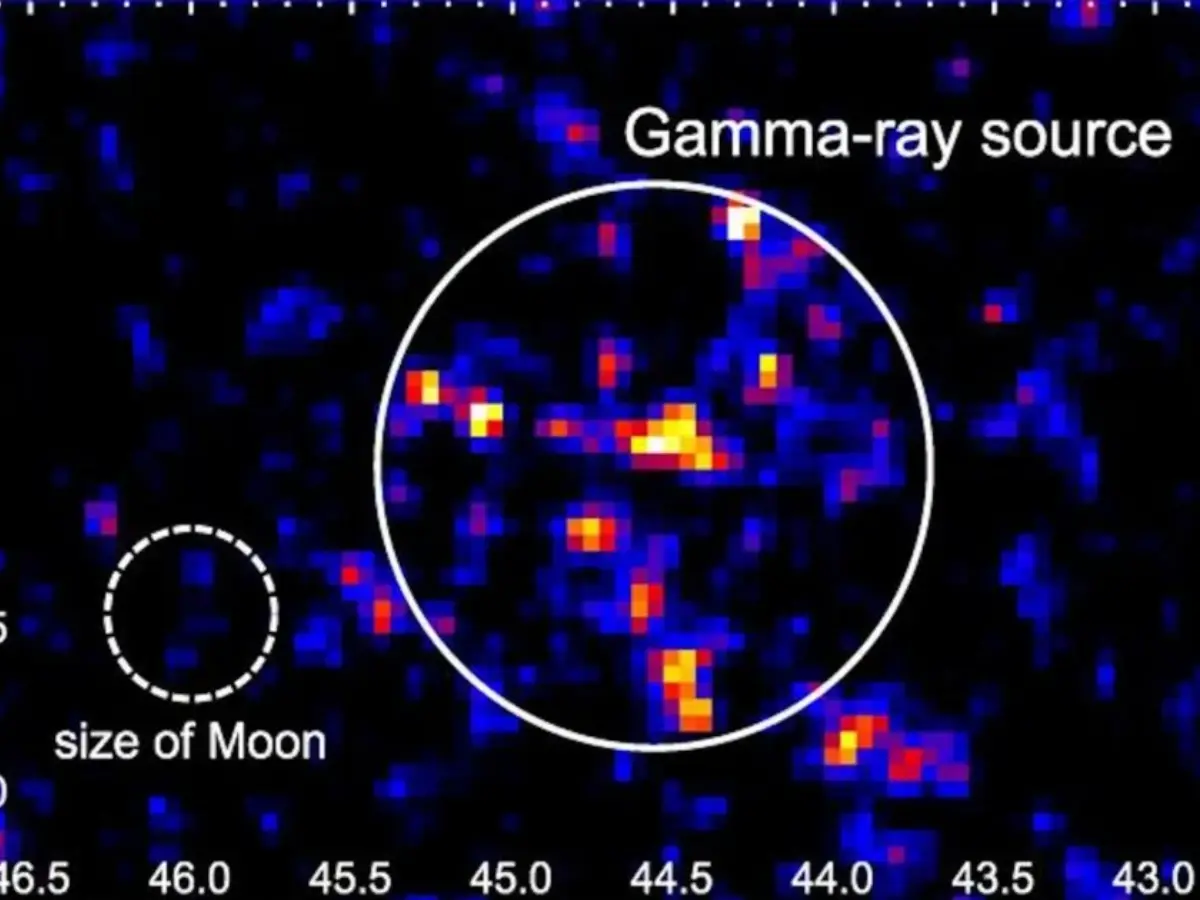
Scientists discovered a natural particle accelerator named LHAASO J1912+1014u in the Milky Way. First spotted in 2024, it blasts energy 1,000 times stronger than the LHC. Tsunefumi Mizuno said, "In this study, three arrows are bundled together, revealing that our target is a cosmic-ray proton PeVatron." Many more such accelerators exist.

Tap to Read More
NCBS researchers find that tiger and leopard scents can help scientists monitor them in the wild

NCBS researchers find that tiger and leopard scents can help scientists monitor them in the wild

The Hindu

NCBS researchers developed a non-invasive method to monitor tigers and leopards using chemical signatures from urine and scat. This study, published in the Journal of Chemical Ecology, helps track elusive big cats. "The advantage of our method is its simplicity," said B.V. Aditi Prasad, making it easy for field teams.

Tap to Read More
Review | The Man Who Made Plants Write: Jagadish Chandra Bose's essays rediscovered

Review | The Man Who Made Plants Write: Jagadish Chandra Bose's essays rediscovered

The Hindu

Sumana Roy translated Jagadish Chandra Bose’s 1922 Bengali essays into The Man Who Made Plants Write. Bose used his own instruments to show that plants feel pain and fatigue like humans. While many scientists mocked his work, these rediscovered writings show his grand ambition to link all living things.

Tap to Read More
540 million years ago, ancient poop caused life to explode on Earth

540 million years ago, ancient poop caused life to explode on Earth

WION

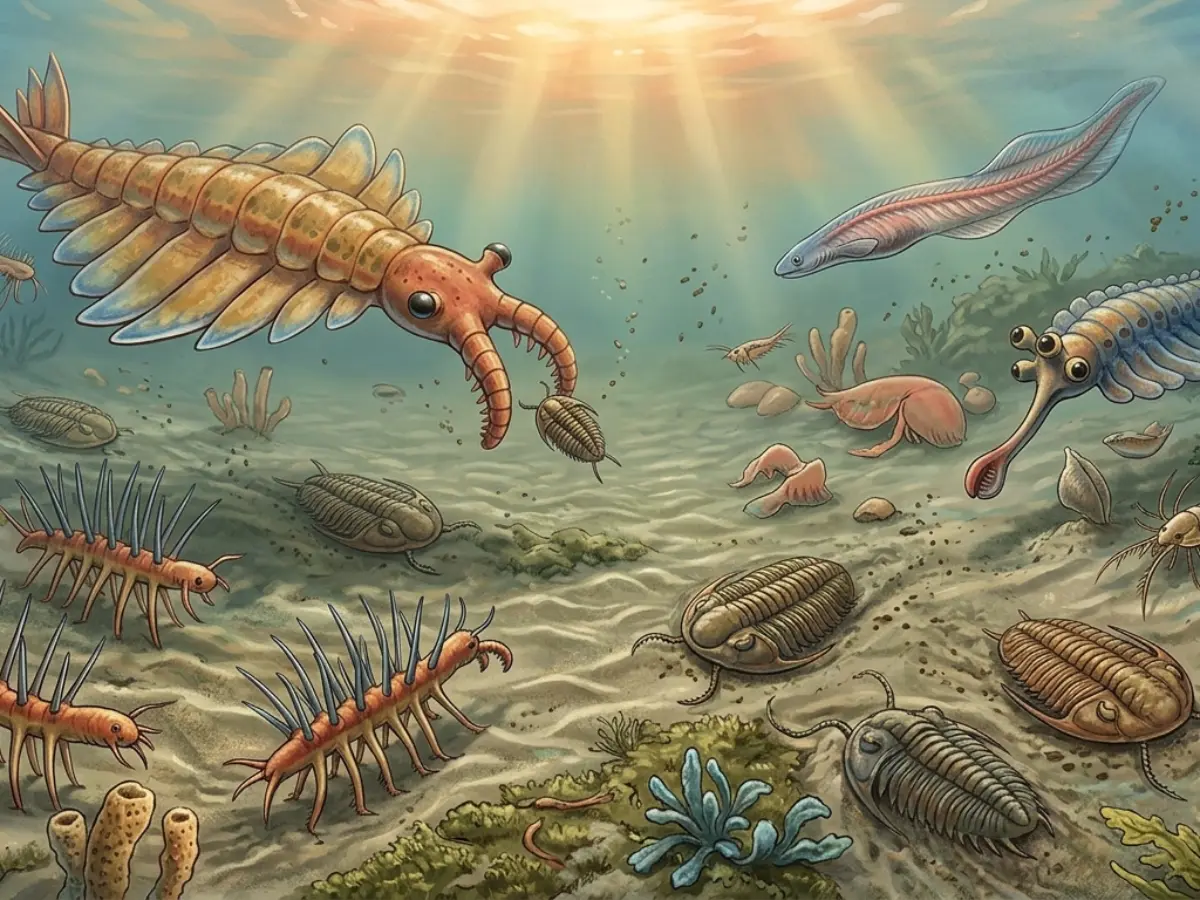
Complex life on Earth started nearly 540 million years ago because of fossilised faeces. Scientists said this poop distributed nutrients throughout the ocean, creating conditions for the Cambrian explosion. Russell Bicknell noted, "The importance of faeces in ancient ecosystems is often overlooked." This feedback loop helped many animal groups evolve.

Tap to Read More
A lettuce that makes meat protein: The science behind engineering plants to grow an animal molecule & why it matters

A lettuce that makes meat protein: The science behind engineering plants to grow an animal molecule & why it matters

Hindustan Times

Scientists announced on Thursday that they engineered lettuce and tobacco plants to produce myoglobin, the protein that gives meat its taste and colour. Dr. Alexia Groff said, "Chloroplasts are generally much better at making large amounts of protein than the cell nucleus." This breakthrough could finally improve plant-based meat alternatives.

Tap to Read More
Cosmic treasure chest explodes with baby stars photo of the day for Aug. 7, 2026

Cosmic treasure chest explodes with baby stars photo of the day for Aug. 7, 2026

Space

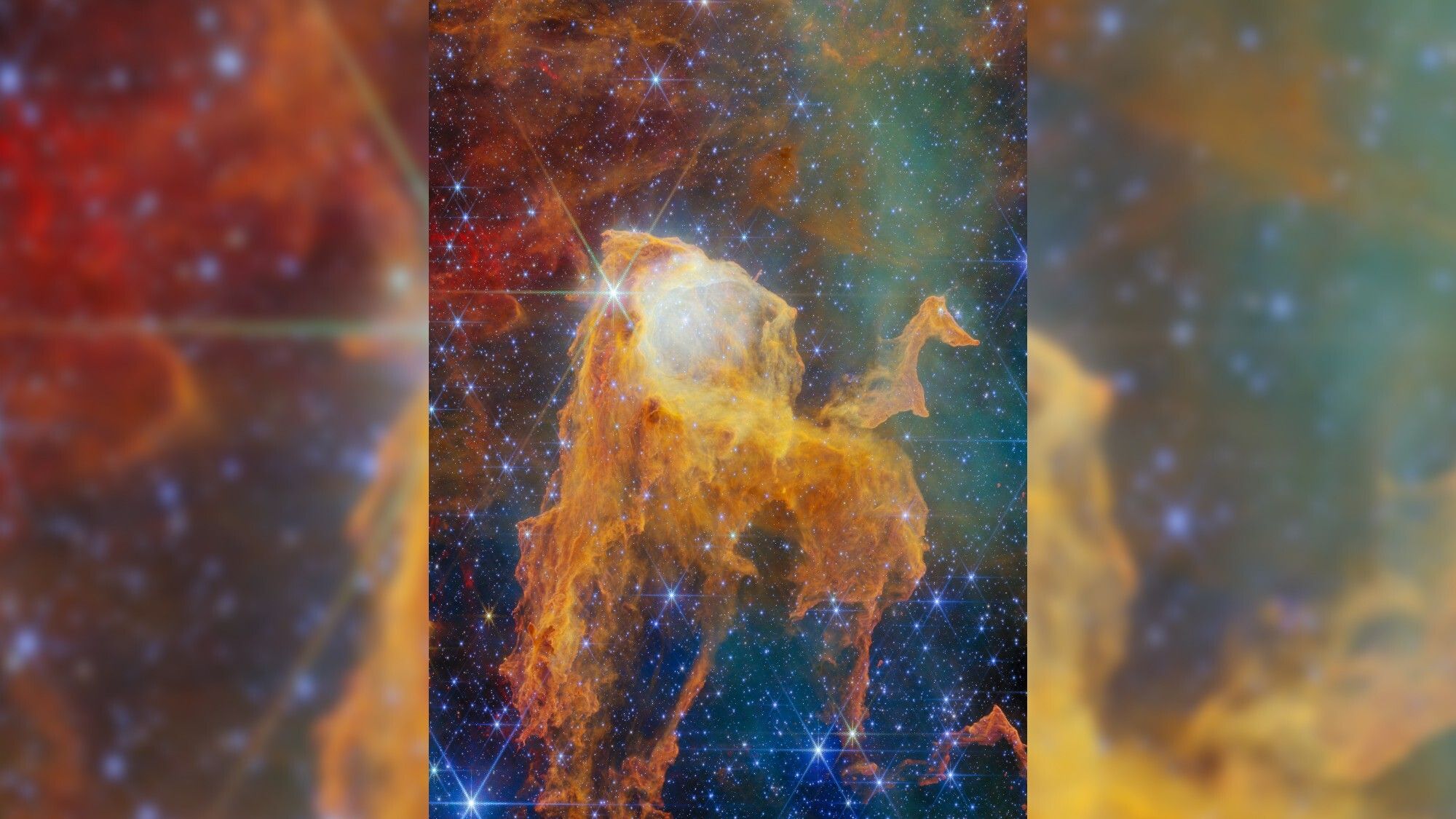
The James Webb Space Telescope captured a new image of the Carina Nebula on Aug. 7, 2026. This snapshot shows a cluster called the Treasure Chest, which holds about 70 young stars. Scientists said these observations help us understand the cosmos better as the stars grow and shine more brightly.

Tap to Read More
On this day in space! Aug. 7, 1980: NASA's Viking 1 Mars orbiter shuts down 4 years into a 90-day mission

On this day in space! Aug. 7, 1980: NASA's Viking 1 Mars orbiter shuts down 4 years into a 90-day mission

Space

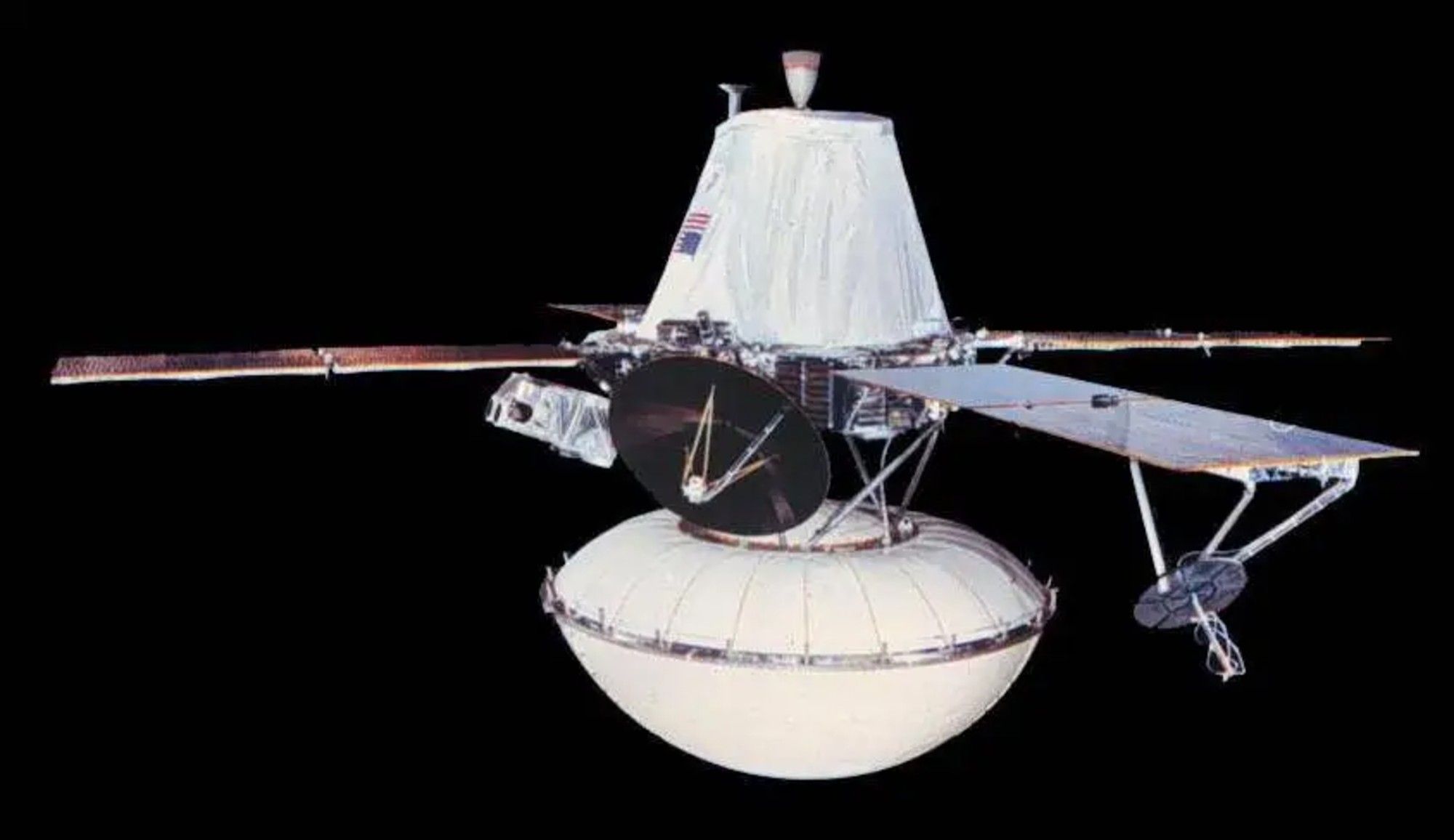
On Aug. 7, 1980, NASA’s Viking 1 orbiter shut down after four years of exploring Mars. Launched in 1975, the mission lasted far beyond its planned 90-day life. It captured thousands of photos and helped scientists map the planet. This historic mission proved that spacecraft could successfully land on the Red Planet.

Tap to Read More
From mountain peaks to microclimates, new maps bring satellite big data down to Earth

From mountain peaks to microclimates, new maps bring satellite big data down to Earth

Physics org

New maps now bring satellite data down to Earth using images from a 2000 space shuttle mission. Researchers said, "We have so much satellite-based data now, but ecologists receive very little training on how to work with it." These complex maps help experts predict where many species will likely thrive.

Tap to Read More
Chinese company Landspace targets Aug. 10 for historic rocket launch and landing attempt

Chinese company Landspace targets Aug. 10 for historic rocket launch and landing attempt

Space

Chinese company Landspace targets Aug. 10 for a historic rocket launch and landing attempt. The startup plans to catch its Zhuque-3 orbital booster after a previous test failed in December 2025. This mission from the Jiuquan spaceport follows a successful static fire test that showed all systems operated normally.

Tap to Read More
XENONnT detector narrows the hunt for dark matter

XENONnT detector narrows the hunt for dark matter

Physics org

Researchers at the Gran Sasso National Laboratory used the XENONnT detector to search for dark matter. By using nearly 9 metric tons of liquid xenon, the team pushed sensitivity to new levels. While they found no signals, the results narrowed the hunt for elusive particles like axions and dark photons.

Tap to Read More
New study identifies mycobiome-based strategy to combat cassava stem and root rot disease

New study identifies mycobiome-based strategy to combat cassava stem and root rot disease

The Hindu

Researchers at ICAR-CTCRI and IARI identified a mycobiome-based strategy to fight cassava stem and root rot disease. This condition, which causes tubers to decay, emerged as a major concern in Kerala in 2020. Experts said, “The disease has been observed across Kerala, especially in wetlands under poorly drained conditions.”

Tap to Read More