Short news for quality minds. Power your niche.

New clues into how animals evolved an internal compass to navigate Earth

New clues into how animals evolved an internal compass to navigate Earth

Mongabay India

Recent research suggests animals evolved an internal compass independently. About three billion years ago, microorganisms formed iron crystals to survive. Richard J. Harrison said, “Organisms originally developed the ability to grow small magnetite crystals, but then over time, they learned that actually, these larger ones are much better suited to navigational magnetoreception.”

Tap to Read More
New study identifies mycobiome-based strategy to combat cassava stem and root rot disease

New study identifies mycobiome-based strategy to combat cassava stem and root rot disease

The Hindu

Researchers at ICAR-CTCRI and IARI identified a mycobiome-based strategy to fight cassava stem and root rot disease. This condition, which causes tubers to decay, emerged as a major concern in Kerala in 2020. Experts said, “The disease has been observed across Kerala, especially in wetlands under poorly drained conditions.”

Tap to Read More
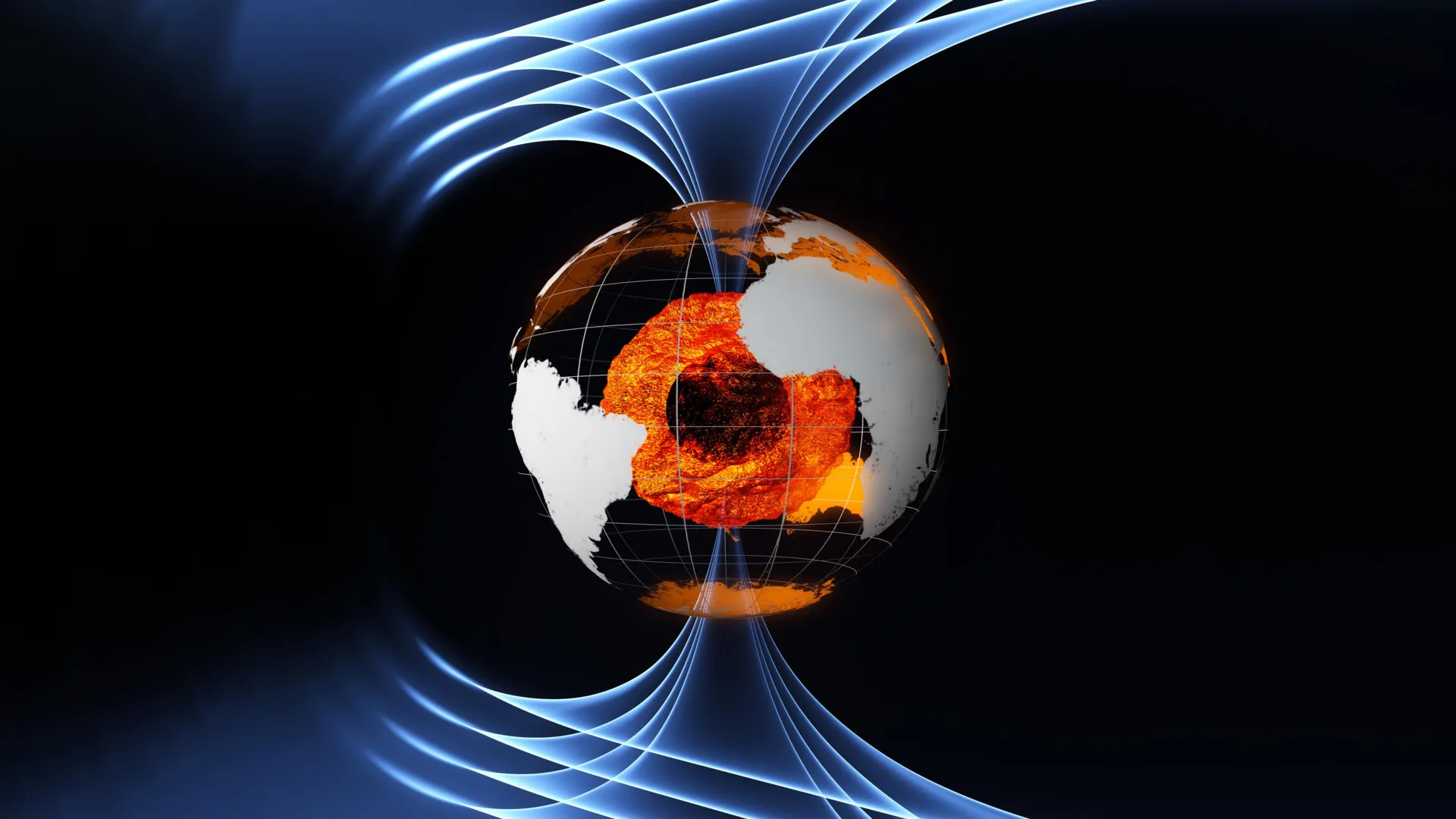
Earth’s molten core suddenly reversed direction - and scientists don’t know why

Earth’s molten core suddenly reversed direction - and scientists don’t know why

ScienceDaily

Earth’s molten outer core reversed its flow beneath the Pacific Ocean in 2010. Scientists used satellite data from 1997 through 2025 to track this shift from westward to eastward. Frederik Dahl Madsen said, "The large-scale flow reversal beneath the Pacific raises new questions about the behavior of Earth's deep interior."

Tap to Read More
An ultramassive white dwarf half Earth's size may hold a rare oxygen-neon core

An ultramassive white dwarf half Earth's size may hold a rare oxygen-neon core

Physics org

Astronomers found that an ultramassive white dwarf, SDSS J0608−0059, likely holds a rare oxygen-neon core. A team led by Stefan M. Arseneau of Boston University studied the star to understand its composition. This discovery, published in The Astrophysical Journal, showed that such heavy stars evolve differently than typical carbon-oxygen white dwarfs.

Tap to Read More
NASA Finds Evidence Of Recently Flowing Liquid On Pluto's Surface

NASA Finds Evidence Of Recently Flowing Liquid On Pluto's Surface

NDTV

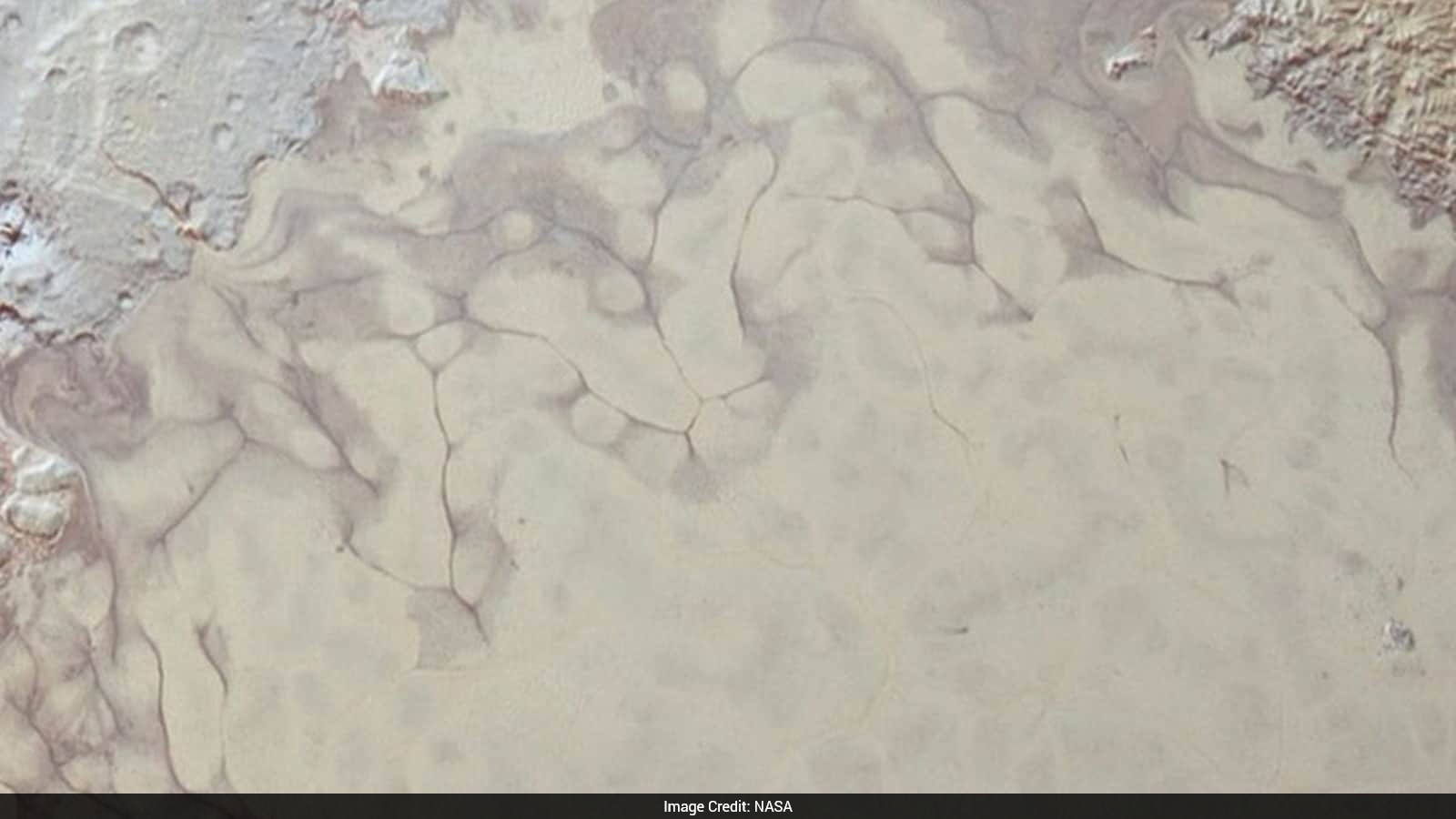
NASA found evidence of recently flowing liquid nitrogen on Pluto’s surface. Analysis of 2015 New Horizons images showed liquid rising through cracks on the Sputnik Planitia glacier. Alan Stern said, "Pluto never stops surprising scientists." These findings suggest liquids reached the surface, creating dark patterns similar to wet glacial features.

Tap to Read More
Scientists discover humans and mice may use the same hidden brain system to recognise smells

Scientists discover humans and mice may use the same hidden brain system to recognise smells

The Times of India

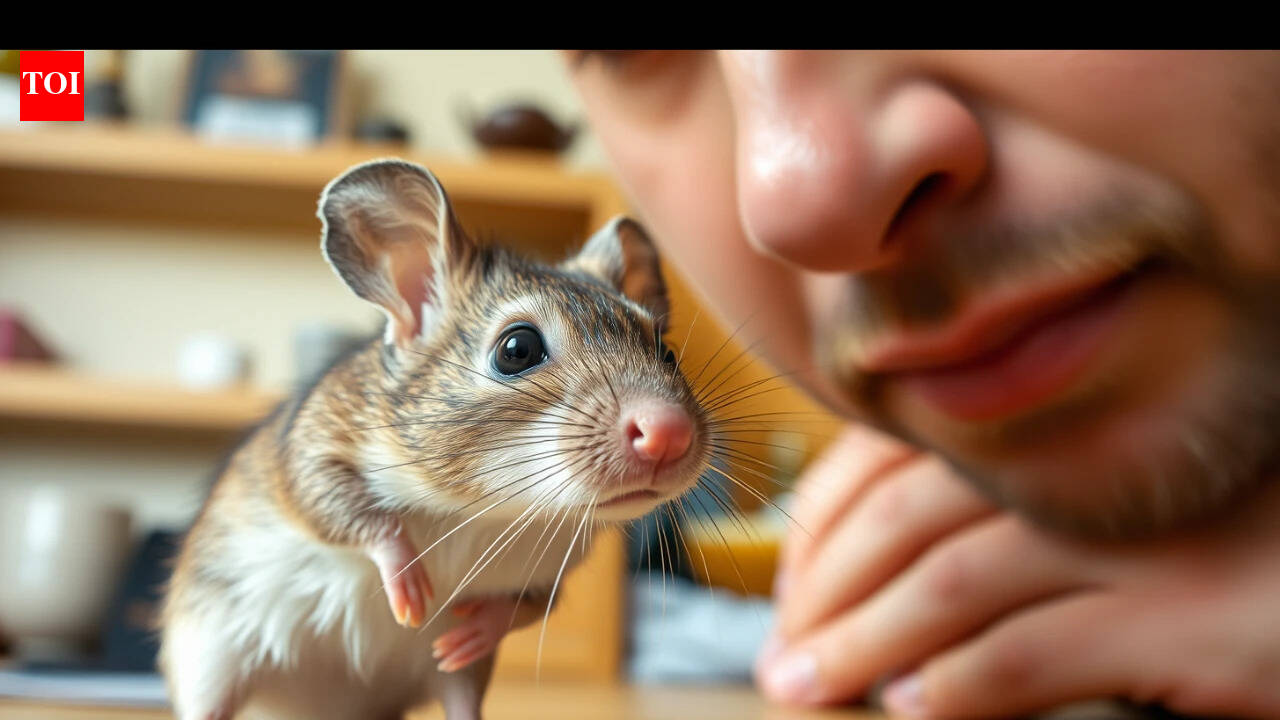
Northwestern University scientists discovered humans and mice may use the same hidden brain system to recognise smells. Two studies published in Science Advances showed that despite different breathing speeds, both species share an ancient neural process. Researchers said, "Smell is not a passive sense; animals actively control how they inhale."

Tap to Read More
Scientists develop a new way to detect hidden water ice on the Moon using seismic waves

Scientists develop a new way to detect hidden water ice on the Moon using seismic waves

The Times of India

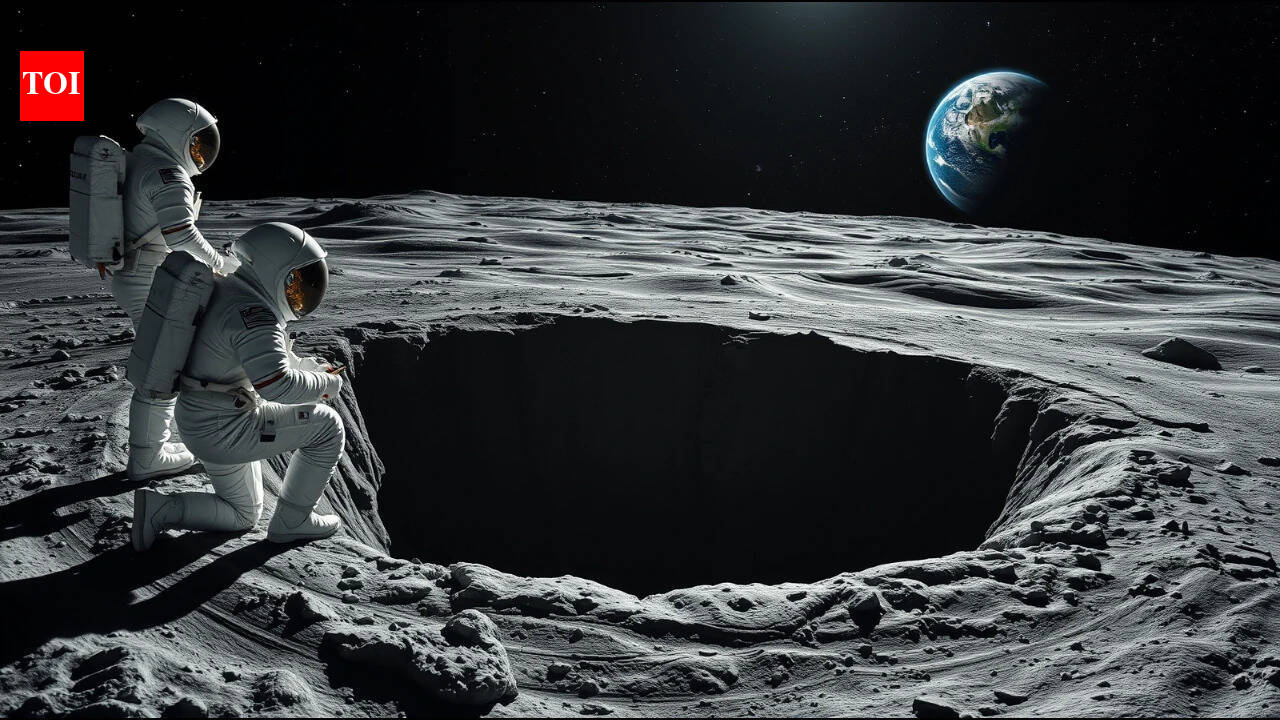
Scientists found a new way to detect hidden lunar water ice using seismic waves. Researchers from the University of Maryland say these vibrations travel faster through frozen soil. Nicholas Schmerr said, "Identifying any usable lunar materials is essential." This method helps NASA prepare for crewed landings targeted for 2028.

Tap to Read More
Six IIT Madras professors just won a 'prestigious' grant for life-changing research that could fix our future.

Six IIT Madras professors just won a 'prestigious' grant for life-changing research that could fix our future.

The Times of India

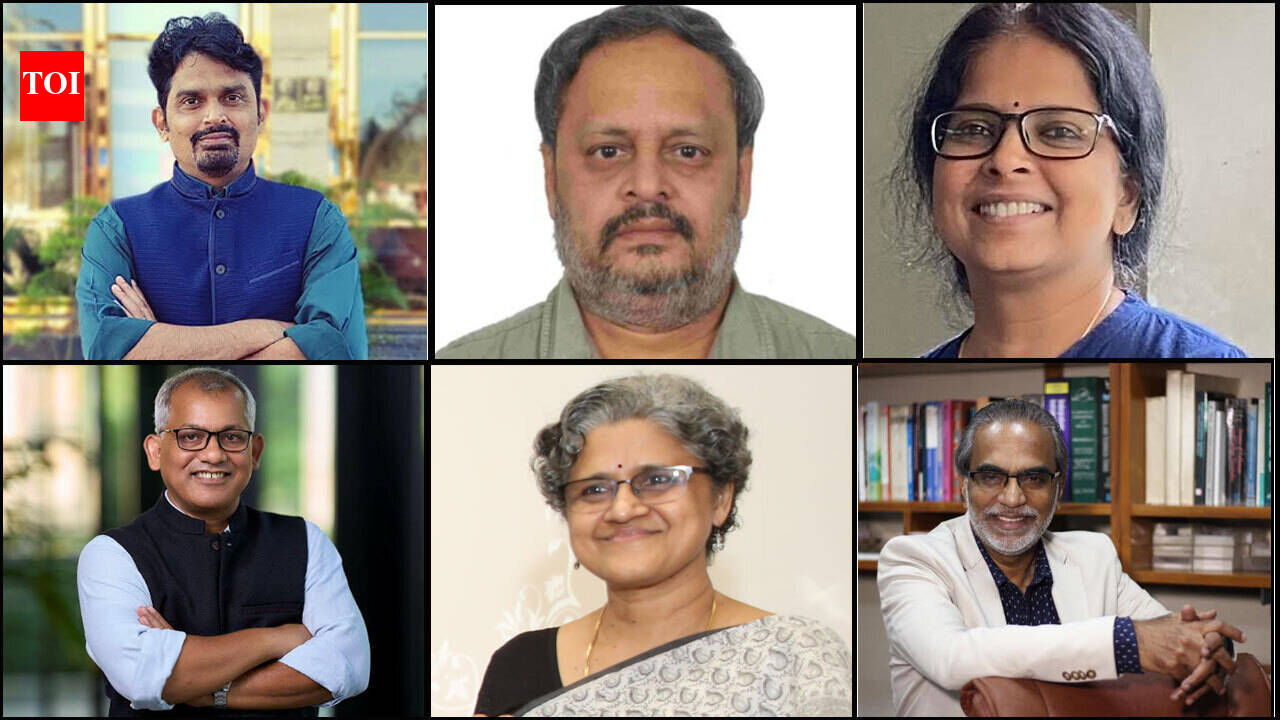
Six IIT Madras professors got the prestigious ANRF J.C. Bose Grant for their life-changing research. Their work spans clean water, prosthetics, and communication technology. IIT Madras Director Prof. V. Kamakoti said, "I congratulate all my distinguished colleagues." This recognition shows the high quality of research happening at the institute today.

Tap to Read More
Meet the only truly wild camel left on Earth that survives by drinking water saltier than the ocean

Meet the only truly wild camel left on Earth that survives by drinking water saltier than the ocean

The Times of India

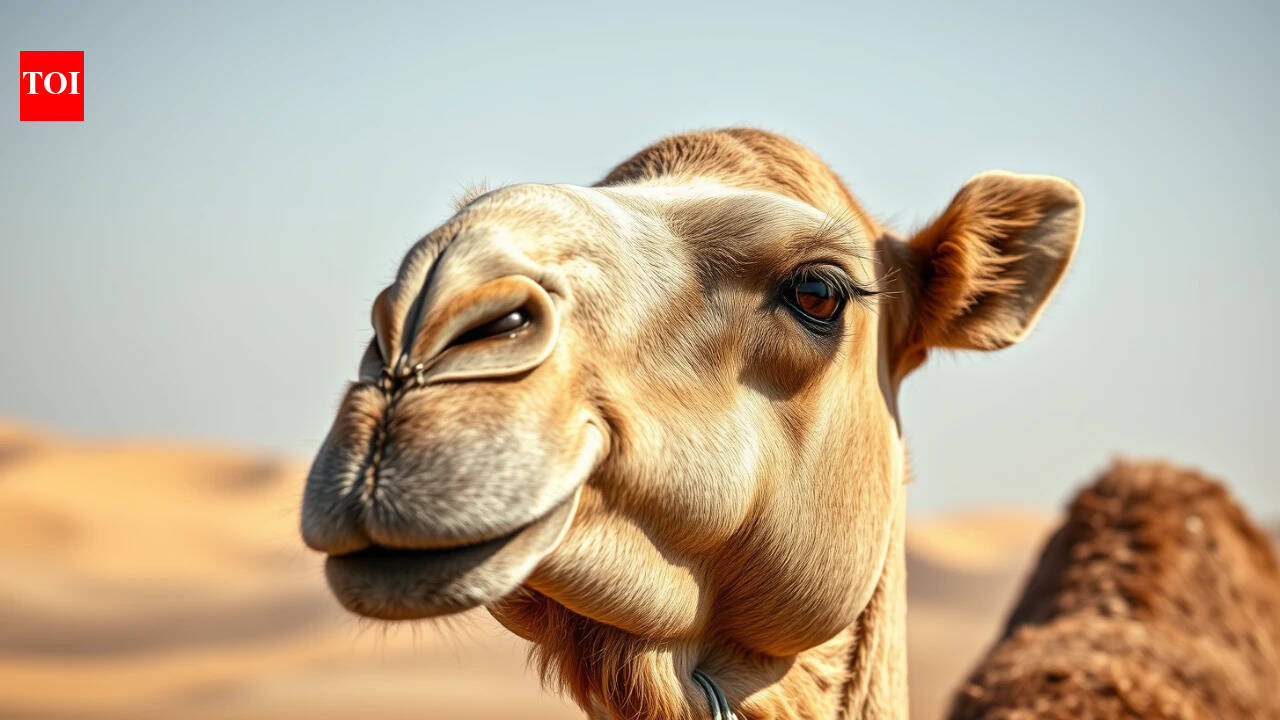
The wild Bactrian camel is the only truly wild camel species left on Earth. Fewer than 1,000 individuals survive in the Gobi Desert. These animals drink water saltier than the ocean, a feat no other mammal can manage. Researchers said, "water researchers have described it as intolerable to any other mammal."

Tap to Read More
An island 'born' from the sea: How three nations fought over a land that vanished as quickly as it appeared.

An island 'born' from the sea: How three nations fought over a land that vanished as quickly as it appeared.

The Times of India

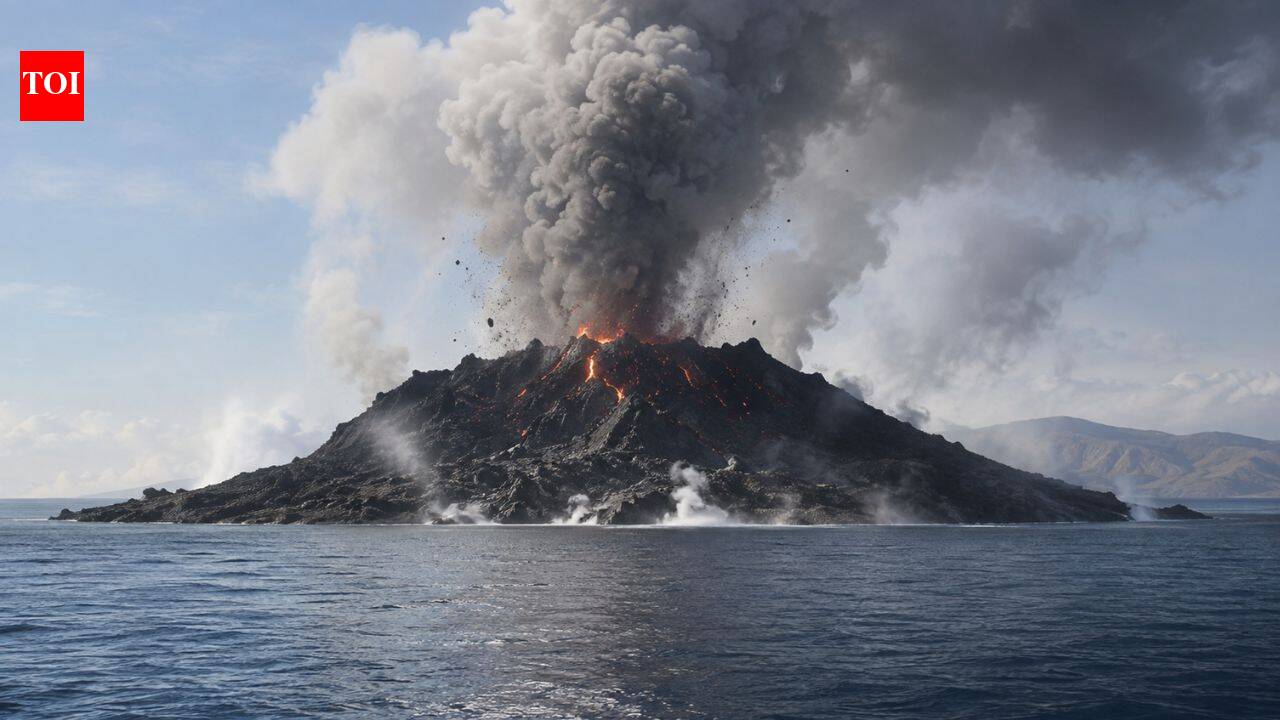
In 1831, an underwater volcano created a new island in the Mediterranean Sea. Britain, France and the Kingdom of the Two Sicilies claimed the land as it appeared near Sicily. The island grew to 800 metres wide, but it soon crumbled and fell back beneath the waves after a few months.

Tap to Read More
Link spacecraft sent to rescue falling Swift telescope is now stable. What's next?

Link spacecraft sent to rescue falling Swift telescope is now stable. What's next?

India Today

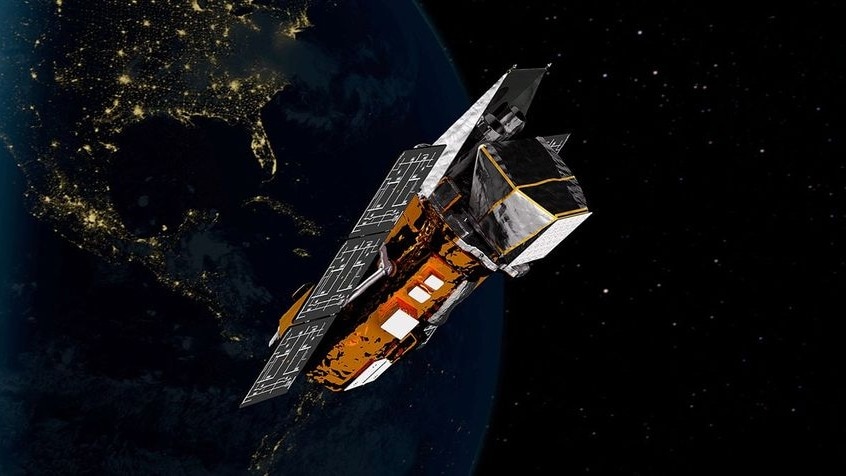
Nasa’s Link spacecraft is now stable after engineers reduced its rapid spin to 1.47 degrees per second. The robotic craft, built by Katalyst Space Technologies, struggled with control issues after launch. Now, teams plan to upload new software to help Link move towards the Neil Gehrels Swift Observatory for its rescue.

Tap to Read More
NASA astronauts Anil Menon, Jessica Meir complete spacewalk to upgrade ISS power system

NASA astronauts Anil Menon, Jessica Meir complete spacewalk to upgrade ISS power system

Hindustan Times

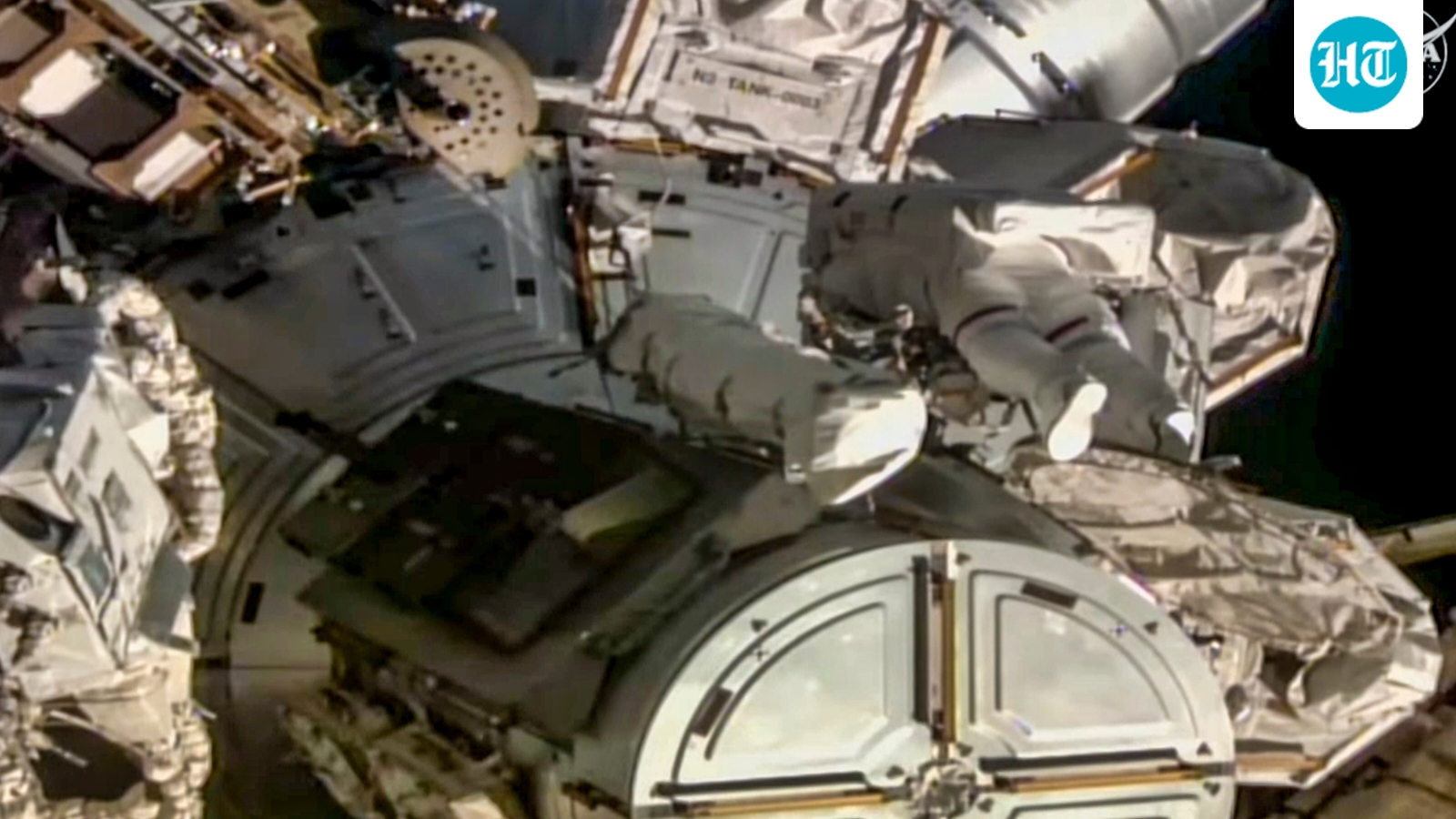
NASA astronauts Anil Menon and Jessica Meir completed a spacewalk on Friday to upgrade the International Space Station power system. The mission lasted six hours and 27 minutes. They installed hardware for new solar arrays. Menon said, "I can see a future moon base there," while working outside the station.

Tap to Read More
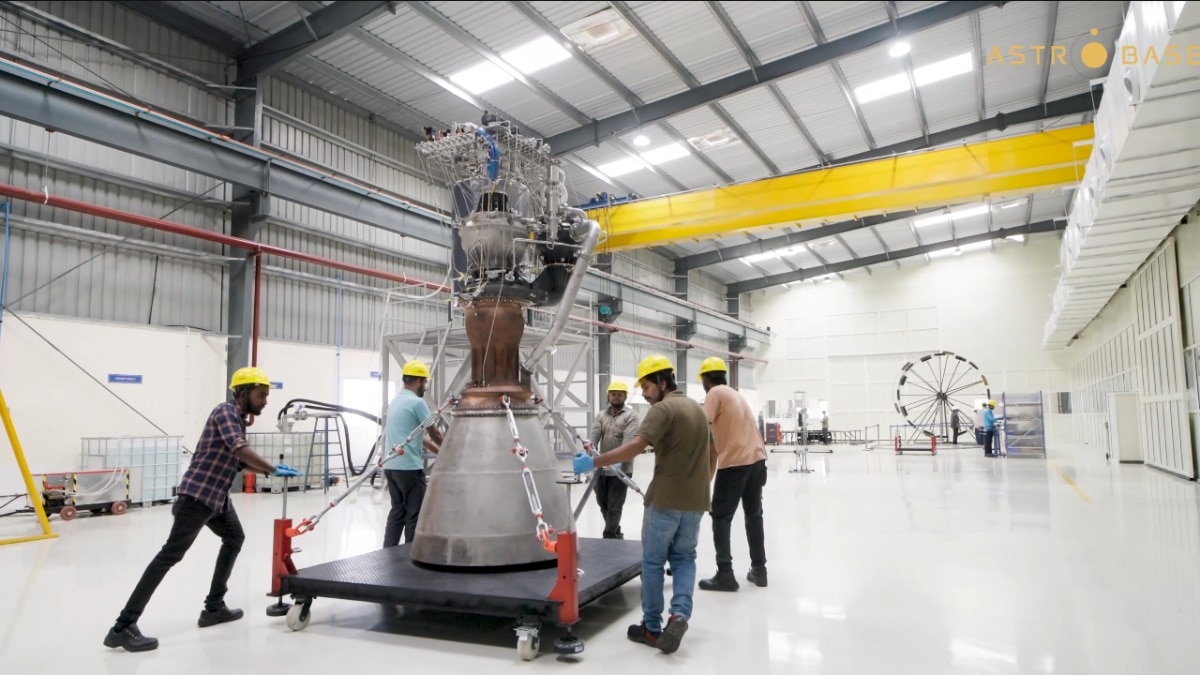
Startup Astrobase unveils India's first full-flow rocket engine Everest

Startup Astrobase unveils India's first full-flow rocket engine Everest

India Today

Bengaluru-based startup Astrobase Space Technologies unveiled Everest, India’s first full-flow rocket engine. The 80-tonne-class engine uses liquid oxygen and methane to produce 800 kilonewtons of thrust. Astrobase, founded in 2024, plans to use this advanced technology for reusable rockets. The company aims for its first orbital flight in the late 2020s.

Tap to Read More