
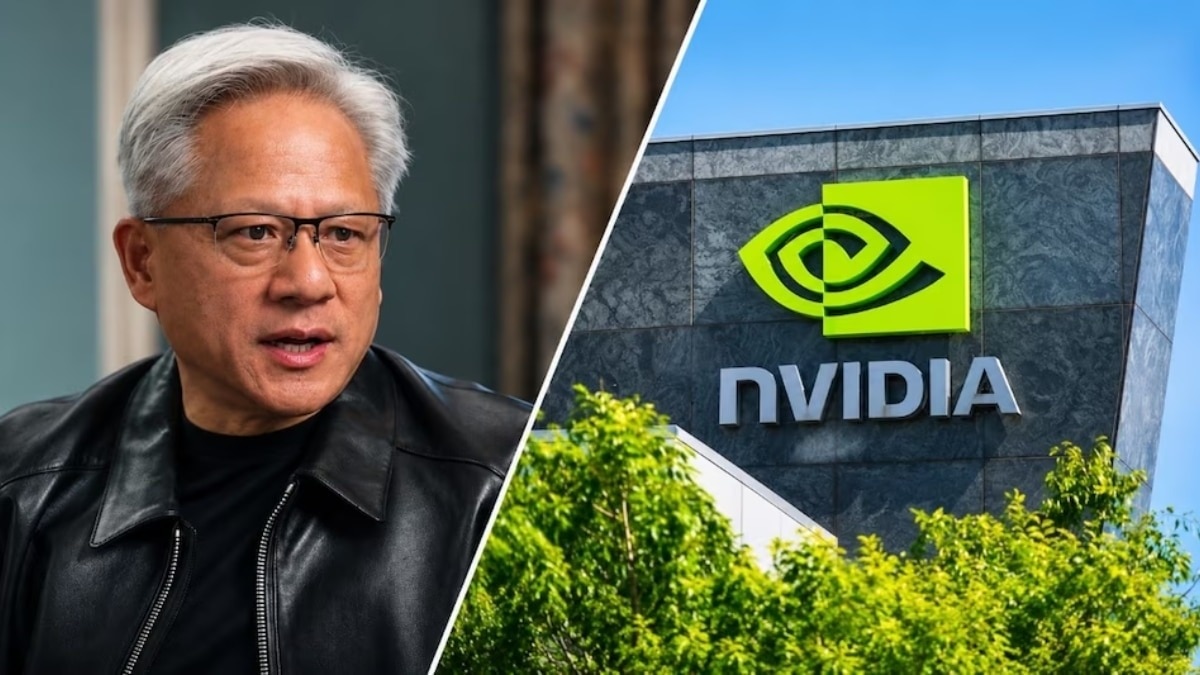
Nvidia CEO Jensen Huang resigned after internal clashes over massive financial guarantees for AI data centres. While Nvidia committed $164.5 billion to back customers, rivals like AMD and Broadcom lack the money to match this strategy. Interim CEO Colette Kress now leads the company toward a more cautious financial approach.
Nvidia is the absolute king of AI chips. But behind the scenes, Nvidia has been playing another massive role: it acts like a financial backer and a "bank" for the artificial intelligence industry. Now, with the sudden resignation of CEO Jensen Huang, the tech world is on edge. Experts warn that a massive funding gap could open up, and rivals like AMD and Broadcom simply do not have the money to fill it.
The secret weapon: credit guarantees
Building AI data centres costs billions of dollars. To get these massive projects off the ground, cloud companies need huge bank loans. Over the past year, Nvidia has stepped in to help by offering "credit guarantees" essentially promising lenders that Nvidia will cover the costs if the data centre developers fail to pay.
How big are these promises
This bold strategy single-handedly sped up the AI boom. In fact, in just two months this year, Nvidia’s dealmaking and credit guarantees reached a staggering $140 billion. Overall, the company has committed up to $164.5 billion to back up its customers in case of business troubles and has invested over $7 billion in neocloud stocks.
For example, Nvidia agreed to provide up to $105 billion in financing guarantees just to help ChatGPT-maker OpenAI lease a massive new data centre in Ohio.
The leadership clash
This spending spree caused serious tension inside Nvidia. Before he stepped down, Huang reportedly clashed over these billion-dollar deals with Colette Kress, Nvidia's chief financial officer of 13 years who has now taken over as interim CEO.
Huang wanted to aggressively use Nvidia's money to help customers build data centres. For example, he initially proposed a staggering $250 billion credit plan for the OpenAI project, but Kress and her team pushed back on the massive risk and managed to scale it down to $105 billion.
Reportedly, during internal meetings, Kress repeatedly raised concerns about the financial dangers of Nvidia acting as a safety net for its own customers.
Why AMD and Broadcom can't catch up
Now that Kress is the interim CEO, investors expect Nvidia to take a much safer, more cautious approach to its finances. But if Nvidia pulls back on these guarantees, who steps in?
According to industry executives, it won't be AMD or Broadcom. Competitors simply do not have the financial superpower to provide these large-scale safety nets to cloud companies. While Broadcom does have some financial backstops in place, reportedly around $43 billion for a single unnamed customer it still falls terribly short of Nvidia's massive, ecosystem-wide funding approach.
What this means for the future of AI
If Nvidia stops acting as the ultimate financial safety net for the AI industry, the pace of AI data centre development could take a major hit. Building the infrastructure for the next generation of artificial intelligence requires endless cash.
If cloud providers can no longer depend on Nvidia's financial guarantees, and with Huang no longer around to personally close these deals, the rapid growth of AI could finally hit a major roadblock.