
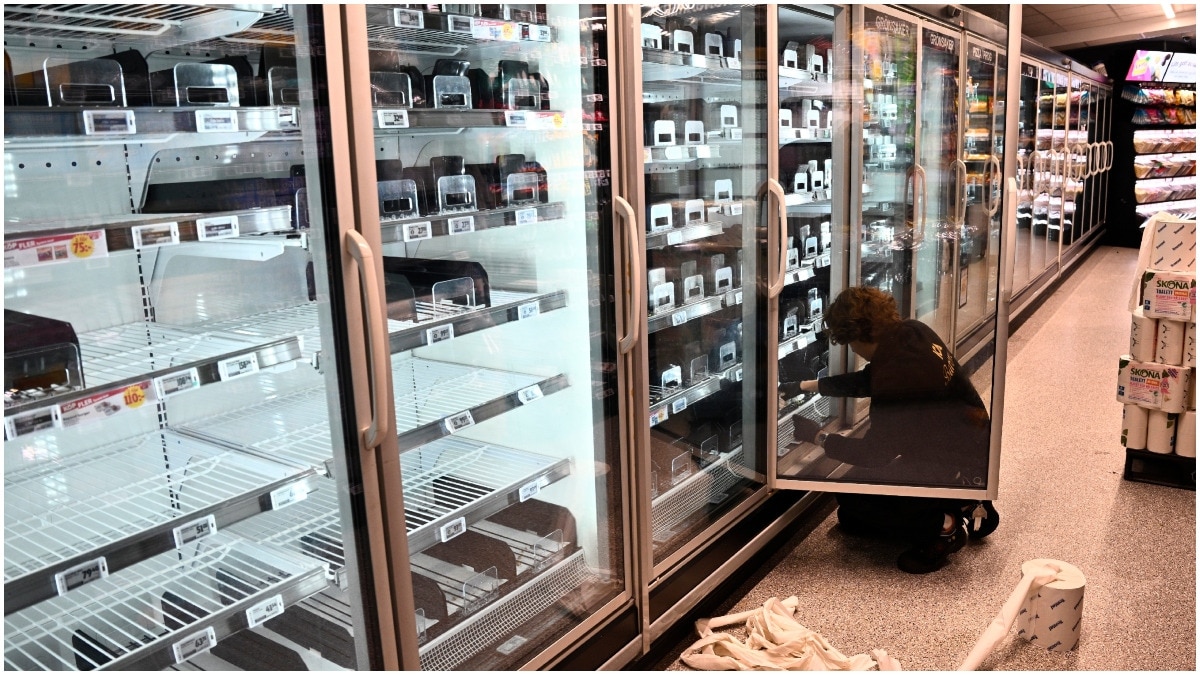
Supermarkets in Sweden, Belgium and Luxembourg reported disruptions to their refrigeration systems, raising concerns about a possible cyberattack. Retailer Ahold Delhaize confirmed an IT incident affected equipment at dozens of stores. Technicians started disconnecting affected units at 1am. These incidents follow a major October attack in France that ruined food.
Supermarkets in Sweden, Belgium and Luxembourg have reported disruptions to their refrigeration systems, raising concerns about a possible cyberattack targeting internet-connected equipment across Europe.
The incidents come weeks after hackers compromised cooling systems at hundreds of French supermarkets, causing substantial losses of fresh and frozen food, The Guardian reported.
In Belgium and Luxembourg, Dutch retailer Ahold Delhaize confirmed that an “IT incident” had affected refrigeration and freezer equipment at dozens of its stores. The company said temperatures had risen and that an investigation was underway.
Swedish retailers also reported problems. Coop said six of its stores had been affected, while ICA acknowledged an overnight incident involving cooling systems at a limited number of outlets.
The disruption prompted an overnight response from refrigeration specialists in Belgium. Stephan Moelans, chief executive of installation company Sabcobel, told Belgian newspaper Le Soir that technicians began disconnecting affected equipment from the electricity grid at 1am. The affected outlets included Spar stores, Shop & Go convenience stores and Proxy Delhaize minimarkets.
The latest incidents have renewed scrutiny of supermarket refrigeration systems after a cyberattack in France in October affected as many as 700 stores, according to police.
As per the Guardian report, hackers manipulated freezer and refrigerator settings, raising temperatures from as low as -27°C to above 50°C. The affected retailers included Carrefour, Leclerc, Intermarche, Monoprix and Cooperative U.
The resulting damage forced stores to discard large quantities of meat, dairy products and frozen goods. Individual supermarkets reported losses exceeding €130,000, while two outlets in Alsace recorded combined losses of €270,000.
Supermarket refrigeration equipment is often connected to the internet to enable remote maintenance and alert operators to technical problems. However, the French attack exposed how vulnerabilities in these systems could be exploited.
Investigators found that hackers had compromised controllers, mainly supplied by Danish manufacturer Danfoss. The attackers disabled alarms before changing temperature settings or extending defrost cycles.
Danfoss said it had identified security flaws last year and had repeatedly urged customers to install software updates.