
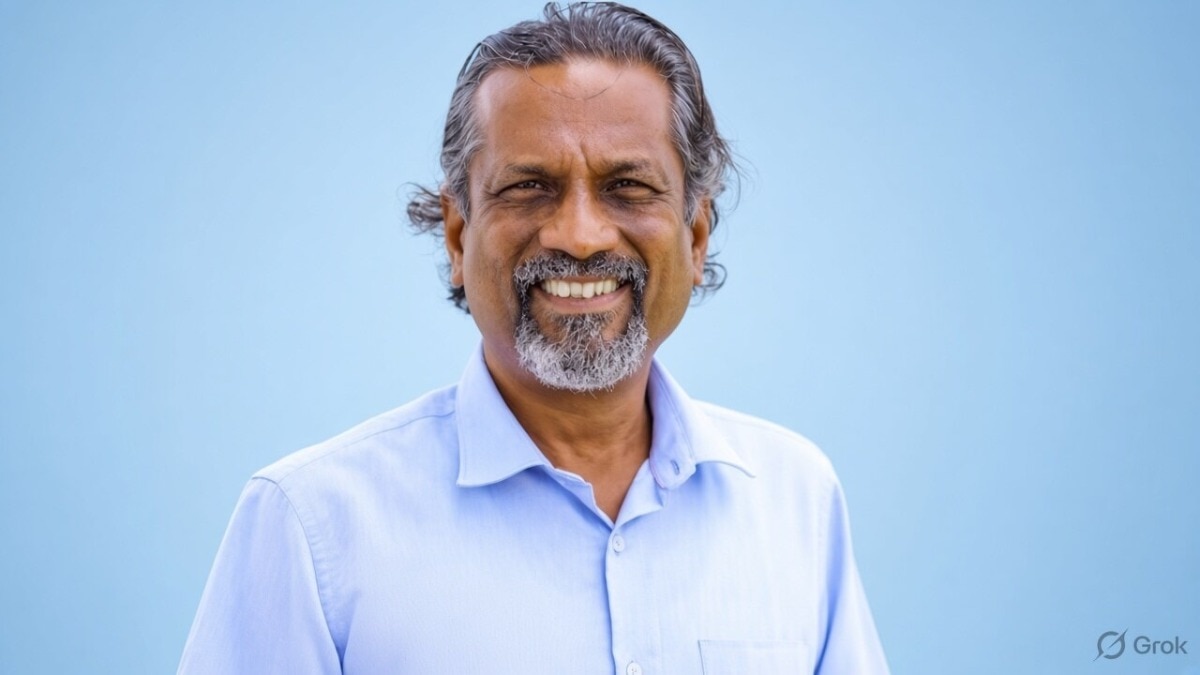
Zoho founder Sridhar Vembu said the company will avoid big infrastructure investments as he called AI a bubble. He said, “We are investing in foundational R&D in AI but will await a less bubblicious time to invest in infrastructure.” Zoho prefers to focus on research instead of rushing into expensive bets.
The AI race is getting bigger, but not everyone is ready to spend billions to keep up. Zoho founder Sridhar Vembu has signalled that his company will stay cautious about large infrastructure investments, even as businesses pour money into artificial intelligence. His comments came in response to a post by American venture capitalist Chamath Palihapitiya, who questioned the quality of revenue coming from the current AI boom.
Palihapitiya argued that a large share of AI spending comes from unprofitable startups funded by venture capital. Vembu appears to agree that the current environment calls for caution, saying Zoho will focus on research rather than rush into expensive infrastructure bets.
Sridhar Vembu says Zoho will wait before making big AI bets
Responding to Palihapitiya on X, Vembu said, “As a rule, we have stayed away from monster-bets-on-other-people's-money approach to business.”
He added that Zoho is still investing in AI research and development, but does not want to rush into major infrastructure spending while the market remains overheated.
“We are investing in foundational R&D in AI but will await a less bubblicious time to invest in infrastructure,” Vembu wrote.
In simple terms, Zoho wants to keep building its AI capabilities without immediately committing huge sums to the computing infrastructure needed to train and run AI models. The company appears to be taking a wait-and-watch approach, rather than treating every new AI opportunity as a reason to open its wallet.
The comments also reflect a broader concern in the industry. Building AI systems requires expensive computing power, chips and data centres. Companies are spending heavily to secure these resources, but the long-term returns on some of these investments remain uncertain.
Chamath Palihapitiya questions AI spending
Palihapitiya's post offered a reason for that caution. He claimed that 1 per cent of companies account for 90 per cent of AI spending and that 80 per cent of this spending comes from unprofitable, venture-backed companies.
He estimated that roughly 70 to 75 per cent of every dollar spent on AI comes from AI companies using venture capital money. According to him, this raises questions about the quality and sustainability of AI revenue.
Palihapitiya compared the situation with the early days of cloud computing, when venture-backed startups were among the early customers of services such as Amazon Web Services. He argued that the AI industry still needs to move from speculative spending to more consistent spending that shows up in public companies' earnings.
His point is not that AI has no future, but that the current spending boom may not tell the whole story about how much lasting demand exists.