
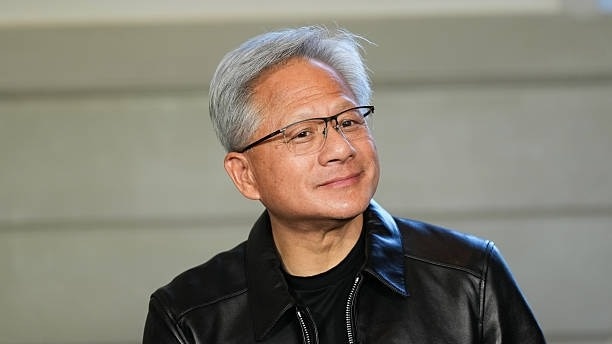
Nvidia brought back CEO Jensen Huang before a board investigation into his conduct finished, sparking concerns about director independence. The board said it was "satisfied with respect to Mr. Huang's candor and ability to lead NVIDIA." However, investors and experts worry that political pressure influenced this quick, abrupt decision.
Nvidia's decision to bring back CEO Jensen Huang before a board investigation into his conduct has concluded is raising fresh questions over the independence of the chipmaker's board, with investors, corporate governance experts and US lawmakers questioning how directors reached their decision so quickly.
The reversal came just days after Nvidia's board had indicated it was looking for a successor to Huang following his resignation on November 12. The abrupt turnaround has also pulled the Trump administration deeper into the company's corporate affairs after US President Donald Trump took credit for the change.
Nvidia said on Monday that after discussions with senior US officials, its board "is confident that Mr. Huang's reinstatement poses no national security risk."
The company is still facing investigations, including probes by the US Securities and Exchange Commission and the Justice Department, into issues ranging from accounting practices to alleged chip smuggling. An independent board committee is separately examining reports that Huang was targeted by a foreign intelligence operation.
NVIDIA BOARD BACKS HUANG BEFORE PROBE ENDS
The key question now is not simply why Huang returned, but how the board was able to conclude that he remained fit to lead Nvidia while its own investigation was still under way. Alongside its national security assessment, Nvidia's board said it was "satisfied with respect to Mr. Huang's candor and ability to lead NVIDIA."
Yet the company also confirmed that the independent committee investigating the foreign intelligence allegations had not finished its work and that "the committee's investigation will proceed to conclusion," with Huang cooperating.
Nada Kakabadse, a Henley Business School professor who follows corporate governance, said the timing raised an obvious problem.
"'Satisfied with his candor' is a strange phrase while the investigation into what he told the company is still open. The board has reached its verdict before the evidence is in," Kakabadse told Reuters.
The board's decision could therefore leave investors wondering whether directors had enough information to make an independent judgment or whether outside political pressure influenced the outcome.
New York City Comptroller Mark Levine, whose retirement funds hold about 5 million Nvidia shares, was particularly critical of the reversal.
"They told us flatly that he would not be coming back. They have done a total 180 without any explanation, or any indication that concerns about legal and other liabilities have been resolved," Levine told Reuters in an interview.
"They have proven they're not independent, and that is the defining quality that we need from any board," he added.
TRUMP'S ROLE COMES UNDER SCRUTINY
The episode has also blurred the line between Nvidia's corporate decision-making and Washington's national security concerns.
Kakabadse argued that the arrangement could create a difficult precedent.
"It hands the board's judgment to the state. The same government that grants Nvidia's export licences now effectively vouches for its CEO. That makes the company politically dependent, and a future administration could withdraw the endorsement," she said.
The issue is particularly sensitive because Nvidia's business is closely tied to US restrictions on advanced chip exports, making relations between the company and Washington a major strategic concern.
Jan van Eck, a large Nvidia investor through his investment company, said Huang's return could remove some uncertainty for shareholders, but also amounted to a gamble that no further damaging information would emerge.
"I had expected more of a Washington DC process, including Congressional hearings, to lengthen this determination, but I guess the Administration is willing to risk that there are no more bad facts to emerge," van Eck told Reuter in an email.
Nvidia's shares closed 31.5 per cent higher on Monday, even as scrutiny over the board's decision intensified.
The controversy comes at a sensitive moment for Nvidia's board, which has already faced questions about its structure and ability to provide independent oversight.
Board member Harvey Jones took over as chair only this month. Until then, Nvidia was one of just two companies in the S&P 500 without a board chair, according to researcher Equilar. Corporate governance experts had previously pointed to the board's structure and the long tenure of several directors as reasons why it needed to demonstrate that it could operate independently.
For critics, the issue is not necessarily whether Huang should lead Nvidia. It is whether the board can convincingly demonstrate that the decision was its own.
US LAWMAKERS TO QUESTION HUANG
The controversy is unlikely to end with the board's announcement. US congressional committees are scheduled to interview Huang on December 1, and lawmakers from both parties have already expressed scepticism over his return and the administration's involvement.
Some investors fear the political dispute could increasingly overshadow Nvidia's business performance and its dominant position in the AI chip market.
The scrutiny is expected to persist as lawmakers examine the circumstances behind Huang's reinstatement and the board's decision-making process. For Nvidia, the challenge now is to keep the focus on its business while addressing questions over whether its leadership and governance remain independent.