
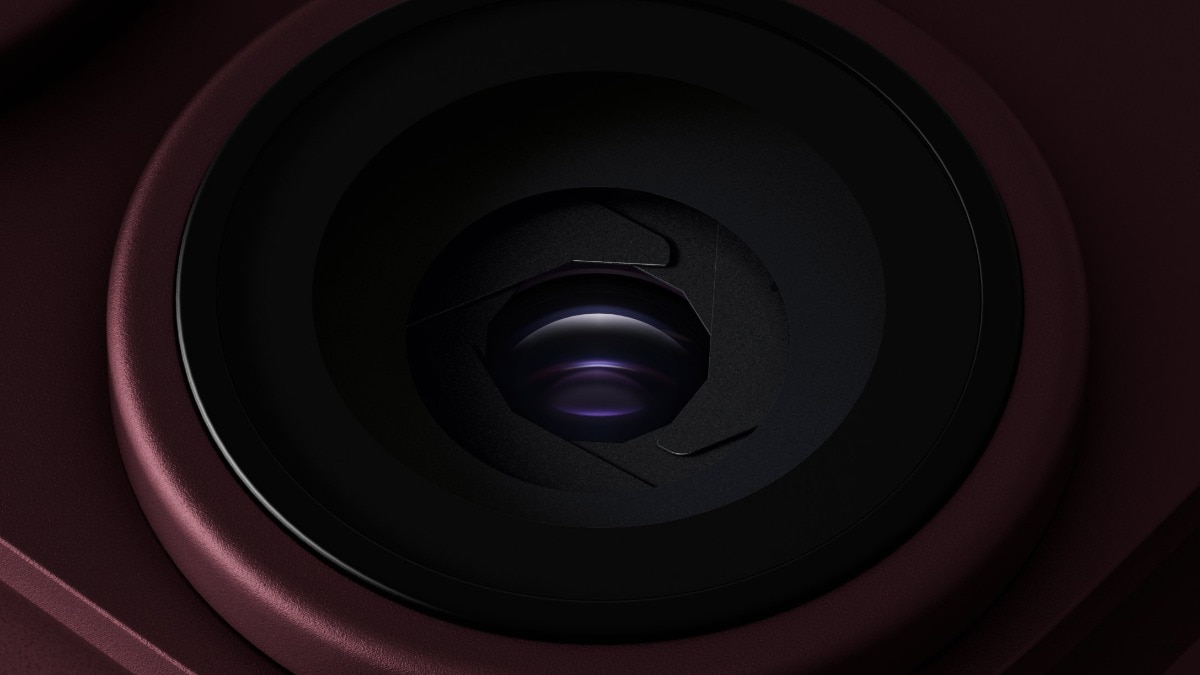
The iPhone 18 Pro features a new mechanical aperture that lets users control lens openings for better photos. Reviewers said, "I believe the iPhone 18 Pro is going to be a crowd-favourite this year at Diwali celebrations." This unique tool helps capture more light, making it a must-have for Android.
Over here at India Today Tech we reviewed the iPhone 18 Pro around a week ago. In that review, there is a more detailed discussion on the phone's camera. But there is one aspect of the iPhone 18 Pro camera that I want to highlight specifically, all because a couple of nights ago I clicked a few dazzling photos with it, photos so good that I believe the iPhone 18 Pro is going to be a crowd-favourite this year at Diwali celebrations.
These were the photos enabled by the mechanical aperture feature in the iPhone 18 Pro. And I believe, given the kind of photos this feature brings about, Android phone makers need to copy it fast for their own premium phones.
So, what are these photos? You can see the two of them down below embedded in this story. But before I talk about these photos, and how they were shot, and why they are special, a few words about the mechanical aperture feature in the iPhone 18 Pro.
In many ways the iPhone 18 Pro is an incremental update over the iPhone 17 Pro. But in one area it introduces a new, and somewhat radically different, feature that is going to benefit users immediately. This is the mechanical aperture feature, which users can control through the camera app.
The photographers among you will find the feature familiar, because it is something that they get in their regular cameras and lenses. The ability to control mechanical aperture has always been a part of photography through a regular camera. But on the phone, where all components, including camera parts such as lenses, are miniaturised, companies have usually limited themselves to digital and fixed aperture.
By the way, aperture means the opening of a camera lens, and it is measured in F Stop or F Number. The lower the number, the bigger the lens opening. The bigger the number, the smaller the opening. I know it's confusing, just like Fahrenheit and temperatures, but that is how it is. The difference between different apertures is exponential. So, to simplify it, for example if F4 lets you capture 10 units of light, the F2.8 would let you capture 40 units.
Now back to the topic. Mechanical aperture, which controls the opening of a lens by moving a few leafs or blades, has been a rarity on phones. Some companies have earlier tried them but the feature has simply added complexity and cost without leading to very specific benefits for users. That is until now because the iPhone 18 Pro does use its mechanical aperture to give users something tangible.
Photographers mostly use mechanical aperture to control three things: amount of light in a scene, the depth of field and hence focus and sharpness, and special effects like Starbursts.
The iPhone 18 Pro on its main camera comes with a lens that has mechanical blades which move to limit or increase the amount of light your phone captures while clicking a photo. These blades move using magnets and the available aperture openings in the Camera app are: F1.48 (widest and hence maximum light gathering), F1.8, F2.8, and F4 (the narrowest opening and hence least amount of light gathered).
Now, when it comes to using this feature I believe different users will use it in different ways. People who are more familiar with photography will use the aperture settings to finetune their photos. But most of the people will most likely let the Camera app handle the aperture settings. And rightly so because in day-to-day photography, the mechanical aperture of the iPhone 18 Pro is hardly going to make a difference.
But there are two areas where I believe the iPhone 18 Pro users will love the mechanical aperture and the ability to control the lens opening. One is close photos of food or people. In these settings, when the light is good, you may get better and sharper photos with F2.8 or F4 aperture because it will help you capture sharper edges and more details. That is because it lowers the depth of field.
And two, the starbursts. In fact, the starbursts are the reason why I say that the iPhone 18 Pro might end up being the best phone to click Diwali photos this year. It excels in settings where you are trying to click dazzling images of small lights.
I had tried the iPhone 18 Pro on Diwali lights before my review of the phone. Then again a couple of nights ago while I was walking around in my housing society, I aimed the phone at some of the festive decorations that had been put up around our mandir. The results were the photos that you see embedded in the copy here.
Do you notice something? The small lights in these photos have a "starburst" effect. They all look like tiny stars with pointed rays of light coming from them. That is because the photo has been shot using aperture F4 in the iPhone 18 Pro.
With a regular camera such an effect is possible after F10 or higher (narrower opening) of the lens. But the iPhone is doing it at F4 because its sensor size is much smaller, and I suspect also because there is some computational (digital effect) photography going on.
Irrespective of the tricks used by the iPhone 18 Pro, there is no doubt that currently this is the best phone to purchase if you are trying to click tiny lights and want stars in your image. I suspect that as more and more people use the phone to click festive lights, this season we are going to see a lot of these photos fill our Instagram feed.
And I suspect that this may force Android phone makers to quickly move to mechanical aperture in their high-end phones. I mean the benefits are obvious and crowd-pleasing. If it happens this would be a welcome sight because unlike many other features that phones nowadays have, the mechanical aperture has tangible and clear benefits. It meaningfully results in more pleasing photos.