
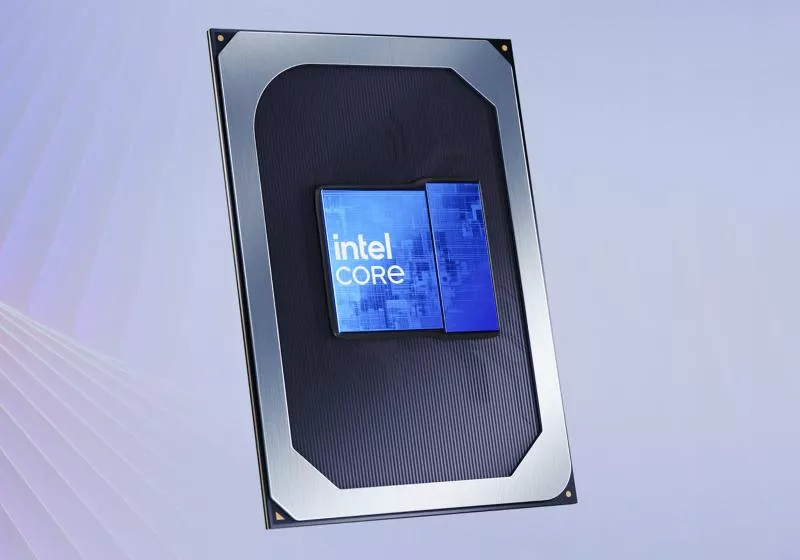
Intel’s next budget laptop chip, code-named Moon Lake, may feature four efficiency cores and zero performance cores. A new leak showed the processor uses a tile-based design with a 6W to 15W power range. While Intel has not confirmed these specs, the chip could improve battery life for budget machines.
Serving tech enthusiasts for over 25 years.
TechSpot means tech analysis and advice you can trust.
Rumor mill: Intel's next processor for low-cost Windows laptops and mini PCs is starting to come into focus, if a new leak is accurate. Hardware leaker Jaykihn has posted base specifications for the chip, code-named Moon Lake, describing a processor with four low-power efficiency cores and zero performance cores.
Intel's current entry-level N-series chips also skip performance cores, and Moon Lake would bring that approach to the company's newer tile-based design. If the leak holds, it would be the next generation of the N-series processors found in many budget machines. Intel has not confirmed the specs.
The leaked table lists a thermal design power (TDP) range of 6W to 15W. The low end sits close to the power envelope of phone and tablet system-on-chips. At 15W, laptop makers would have room to trade some efficiency for sustained performance when the cooling allows it.
The table also suggests Moon Lake will share its layout with Wildcat Lake, the Core Series 3 processor family Intel launched in April. Wildcat Lake pairs up to two performance cores with four LP-E cores, which sit in their own low-power island on the compute tile.
Moon Lake appears to drop the performance cores and keep the island. It reportedly retains the compute tile, the multi-tile design and Wildcat Lake's BGA1516 package, and the cores are said to be Darkmont LP-E designs, the same type used in Wildcat Lake's low-power island.
On paper, Moon Lake looks a lot like the chips it would replace. Entry-level N-series processors such as the N150, which power many ultra-budget machines, also pair four efficiency cores with a 6W TDP. The core count and power budget stay the same. What changes is the generation of the cores themselves.
That's where most of the gains are likely to come from. A newer architecture with higher instructions per clock (IPC) should make Moon Lake somewhat faster than its predecessors at the same core count. For buyers, the bigger change may be battery life: if the cores do more work per cycle within the same 6W budget, a system can finish a task sooner and fall back to idle sooner, which helps in thin, cheap designs.
Clock speeds are missing from the leak. For reference, the N150 reaches a 3.6GHz turbo. Intel's recent chips hint at what to expect: Panther Lake and Wildcat Lake, both built on the 18A process this year, broadly match the clock speeds of the chips they replaced. That suggests Moon Lake's gains would come from architecture rather than frequency.
N-series chips sit in the lowest tier of Windows laptops and mini PCs, where cost matters more than raw speed. Systems built on Moon Lake would likely land around $300 to $500, though that range is uncertain. RAM and storage prices have been pushed around by demand from AI data centers, and Moon Lake reportedly isn't expected until 2028, so NAND and DDR supply could shift a lot before then, changing what these machines cost.
The leak caps a busy year for Intel's client chips. Panther Lake arrived early in the year and Wildcat Lake followed in April, and Intel has said little about its consumer roadmap since. Some newer models in those families added cores. Moon Lake appears to move the other way, keeping the core count low and focusing on doing more within a very small power budget.
Many details are still unconfirmed, including clocks, graphics and memory support. The leak reportedly points to Intel's 18A node for the compute tile. Like any pre-announcement leak, the specs could change before launch, or Intel may never confirm them.