
Scott Mathson built Plink with just $100 in 2019, and by 2025, his podcast-link service was processing 8.2 million requests a month. He started the project to help creators share shows using one smart link. Many podcasters now use the service to make promotion easier across social media and various websites.
As a podcast creator, Scott Mathson faced a few problems. He wanted an easy way to share his shows without asking listeners to choose from a list of links for different podcast apps. To solve those issues, he started Plink. The small project later grew into a service handling millions of monthly users.
Mathson built the service with an estimated initial cost of just $100, according to Starter Story. Notably, the service was processing 8.2 million requests a month by the time of the report.
What does Plink do?Plink provides a service that creates smart links that direct listeners to podcast on their proffered listening platforms. It does not share separate links for Spotify, Apple Podcasts and other services. It just creates a single link.
The service can direct the listener to a compatible podcast app when they open the link on a mobile device. Meanwhile, people who use desktop can access a page showing different listening options.
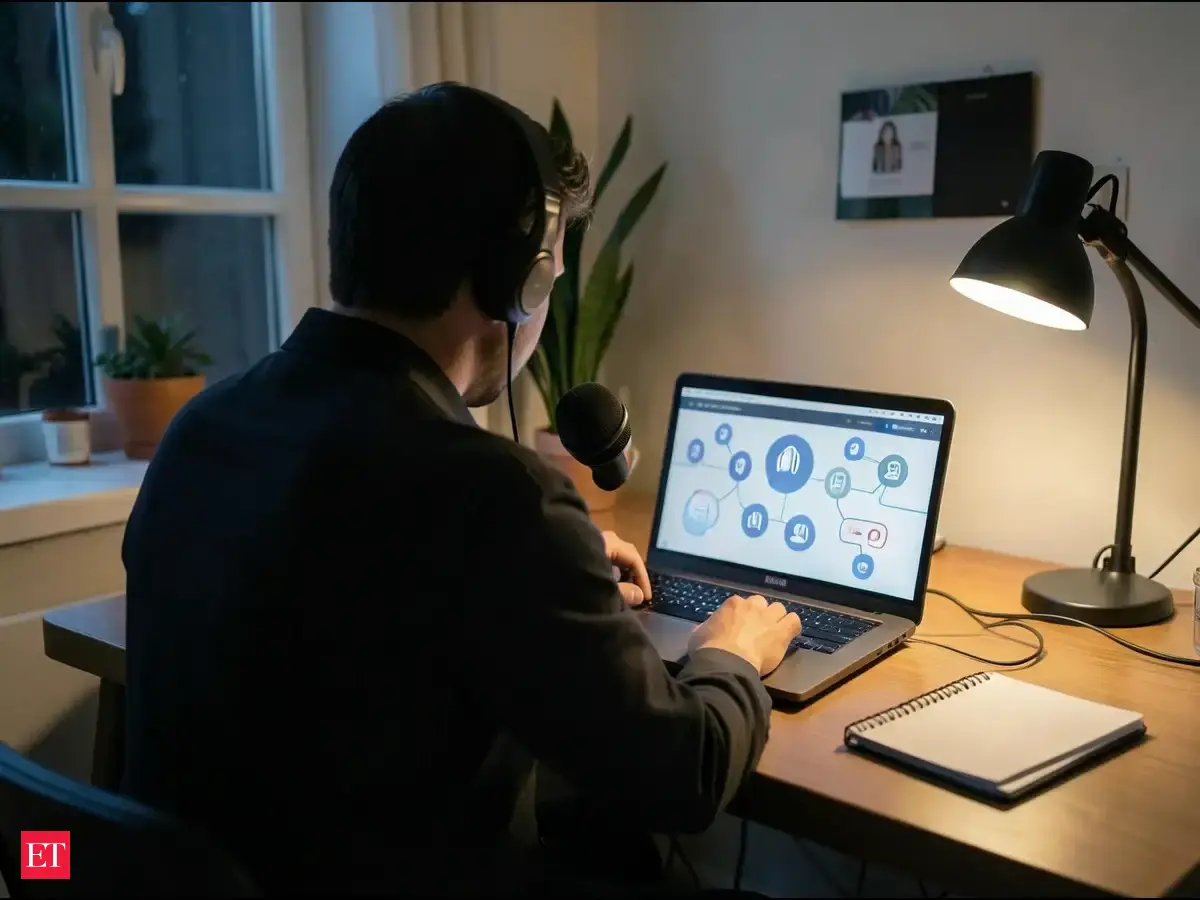
Representational image
Plink has one simple goal. It is designed to make
podcast promotion easier. Creators can share links on social media, websites, emails and newsletters without creating separate links for every platform.
The service also offers episode-specific links and pages that help listeners find particular episodes.
Interestingly, it has a free, ad-supported option. Meanwhile, paid subscriptions offer features such as custom short links and analytics integrations.
The origin of the ideaMathson identified the problem with his own experience. He had been publishing podcasts since 2008. While working on one of his shows in 2018, he began looking for a better way to share listening options.
He also has background in web development, and started working in the platform in 2018.
How did the platform attract users?Mathson developed Plink while balancing the project with a full-time job. The hard work did pay off. The service gained attention after its launch on Product Hunt in 2019. Search engine optimisation also played a big role in attracting users.
SEO, word of mouth and networking played a big part when it came to the growth of the business. The platform focused on a specific problem. This helped it appeal to independent podcasters as well as larger organisations. The service is now widely used by creators, podcast networks, media companies and businesses.