
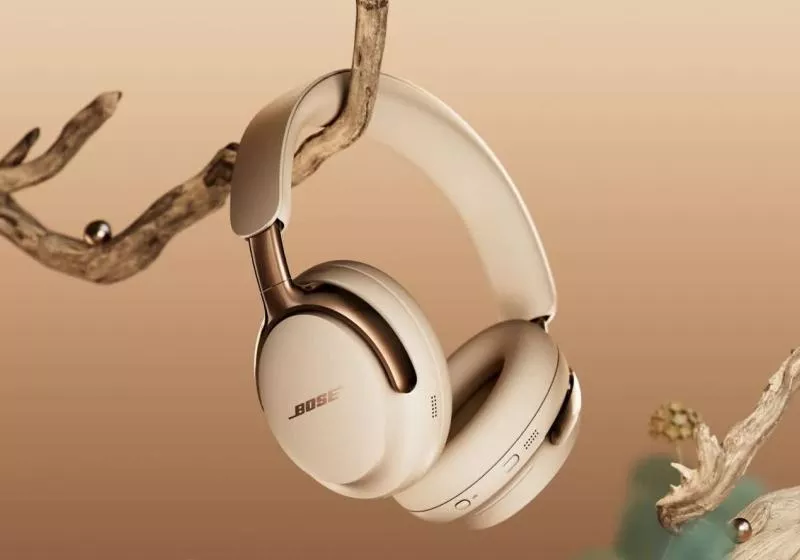
Bose acquired Skullcandy from Mill Road Capital to attract younger headphone buyers. Bose plans to keep the brand running in Park City, Utah, while adding its own audio technology. This is the fourth company Bose bought since November 2024, as it looks to grow its presence in new markets.
Serving tech enthusiasts for over 25 years.
TechSpot means tech analysis and advice you can trust.
What just happened? There's a good chance that a random pair of Skullcandy headphones available at any store these days carries a "Sound by Bose" badge on the box. While that's been the most visible sign of their partnership so far, the integration may soon get a lot deeper. Bose has now acquired Skullcandy outright from a fund managed by Mill Road Capital. Neither company has yet said how much the deal is worth, though Mill Road paid roughly $196.6 million when it took Skullcandy private back in 2016.
Bose plans to keep Skullcandy running as its own brand, and its headquarters will stay put in Park City, Utah. It will sit inside Bose's Premium Consumer Audio business, gaining access to Bose's technology, global distribution, and retail partners while holding on to its own identity. Bose also says it plans to put money into growing the brand.
Quite a bit of that technology is already inside Skullcandy's lineup. The $129 Method 360 ANC earbuds, for one, use Bose drivers tuned for Skullcandy's bassier sound. Meanwhile, the $280 Crusher 1080 ANC headphones that launched in July pack the company's QuietControl noise cancellation and TrueSpatial head tracking. Skullcandy still added its adjustable "sensory bass" on top of all that - a feature that turns the low end into vibrations you can actually feel.
Bose's own announcement suggests Skullcandy's customers are a big part of the appeal. The company itself is better known for pricey noise-canceling headphones like the QuietComfort Ultra. Skullcandy, on the other hand, has long had ties to skate and snow culture, along with gaming, music, and fitness, and those are areas where Bose admits it has less of a presence today.
Bose has actually been chasing a younger crowd for a while, and just last month it started bringing back wired earbuds - its first in over a decade - as wired headphone sales crept back up.
Skullcandy is also the fourth company Bose has bought since November 2024. First came McIntosh Group, which owns the high-end McIntosh and Sonus faber brands. Bose also picked up Austrian streaming specialist StreamUnlimited in June this year and, earlier this month, Firelight Technologies, the Australian company behind the FMOD audio software used in plenty of video games.
Bose CEO Lila Snyder credits all of this to the company being privately held, saying it gives Bose "the freedom to make bold, long-term investments." Over at Skullcandy, CEO Brian Garofalow called the deal "a win for Skullcandy and our fans." Neither company has announced any new products resulting from the deal.