
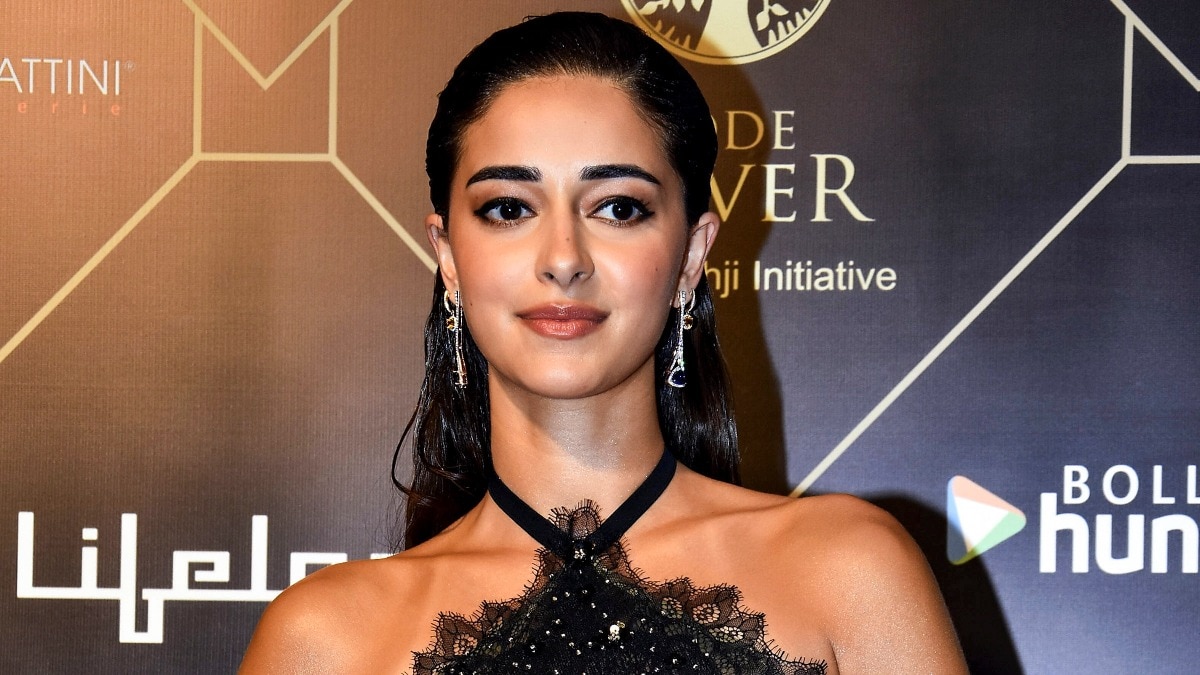
The Bombay High Court on Thursday granted interim relief to actor Ananya Panday against AI deepfakes. The court restrained entities from using her personality attributes without permission. This order protects her name, image, and voice from digital manipulation, following similar legal steps taken by other actors to safeguard their rights.
The Bombay High Court on Thursday granted interim relief to Hindi film actor Ananya Panday in her suit seeking the protection of her personality, publicity, and privacy rights. The order restrains various entities and unidentified digital actors from the unauthorised commercial exploitation and AI-driven manipulation of her personality attributes.
In her application submitted before the court, the actor sought legal protection over her name, image, photographs, voice, likeness, signature, performance style, mannerisms, and dialogue delivery (collectively defined as "Personality Attributes"). The filing also invoked "performer's rights under Sections 38, 38A, and 38B of the Copyright Act, 1957, in relation to her onscreen performances.
Highlighting the gravity of unauthorised digital exploitation, the application detailed multiple "impugned acts" by the defendants. These included the creation and dissemination of AI-generated deepfakes, sexually explicit and obscene content, unauthorised cosmetic surgery claims, AI chatbots mimicking her persona, and false commercial endorsements. The plea further underscored that the rapid, uncontrolled viral spread of such digitally manipulated material causes irreparable damage to her dignity, privacy, and commercial goodwill, for which monetary compensation is inadequate.
Pointing out the involvement of foreign entities and unidentified 'John Doe' defendants, the actor sought urgent ex-parte ad-interim directions to block illicit URLs, remove mirror links, and mandate intermediary social media platforms and telecom operators to disable access to infringing content.
Granting interim protection, the court restrained the defendants from violating the actor's publicity and privacy rights, aligning with recent precedent set by the high court in safeguarding public figures against generative AI misuse and digital impersonation.
Meanwhile, Ananya's last theatrical release was director Vivek Soni's romantic-drama, Chand Mera Dil (2026) opposite actor Lakshya. The film was co-written by Soni and Tushar Paranjape and produced by Karan Johar's Dharma Productions.
Earlier, Ananya's Tu Meri Main Tera Main Tera Tu Meri (2025) co-actor Kartik Aaryan had also approached the Bombay High Court to safeguard his digital personality rights.