
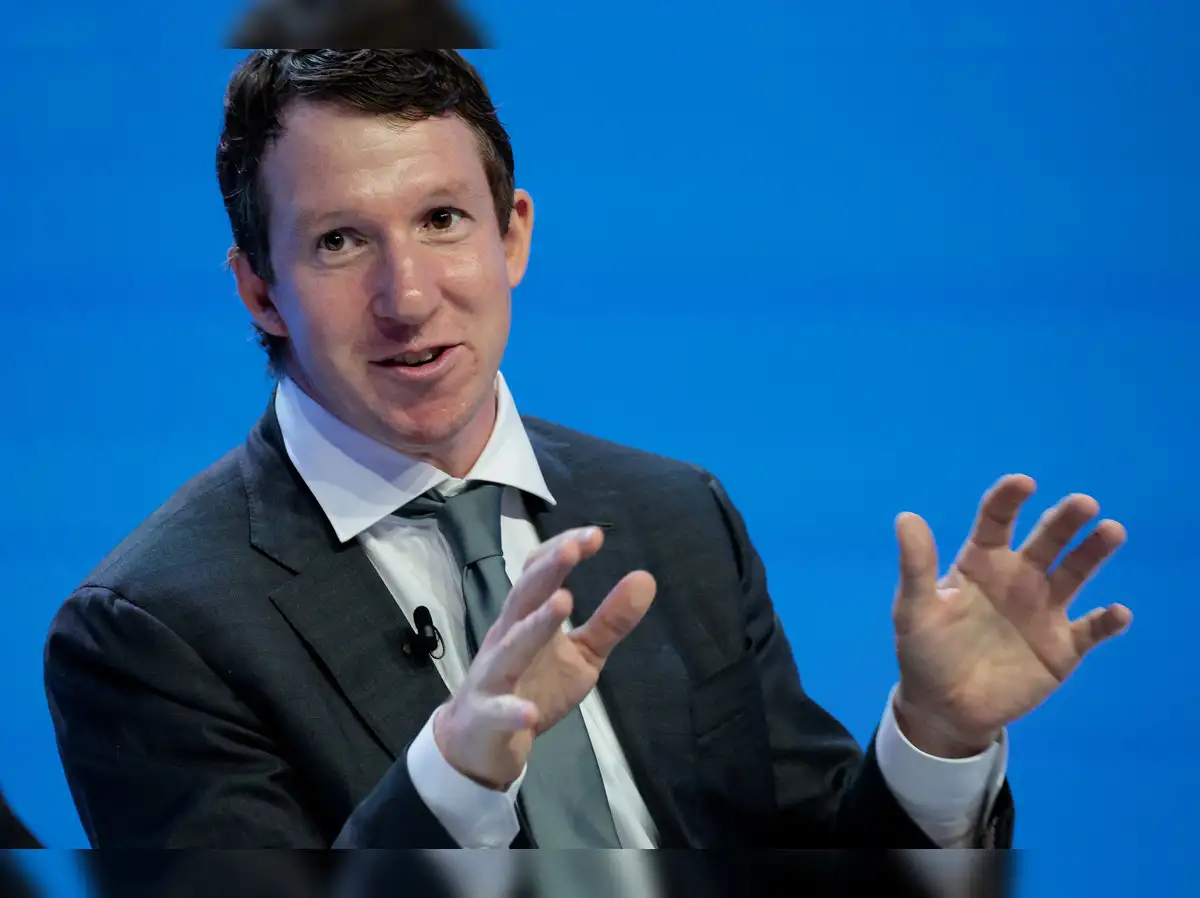
Anthropic co-founder Jack Clark renewed calls on Friday for regulating artificial intelligence. He said, "I think it's Formula One at night without maybe brakes in the cars." Many security incidents during testing showed that current guardrails are weak. Now, the company wants governments to step in and set clear rules.
Synopsis
Concerns about AI guardrails have soared after models developed by OpenAI and Anthropic were involved in security incidents during testing, piling on pressure to regulate the technology.
Listen to this article in summarized format
Anthropic co-founder Jack Clark renewed calls on Friday for regulating artificial intelligence, saying that allowing companies to continue to operate without robust legislation was like letting a race car loose on the streets at night without brakes.
"It's remarkable to me that the toys I buy for my children are regulated more than the literal super intelligence I work on at my day job," he told an event at the IMF-World Bank's Annual Meetings in Bangkok.
Clark said that US President Donald Trump, whose administration has called for the industry to police itself, was against the idea of regulation but that China was not.
"I think it's Formula One at night without maybe brakes in the cars," he said.
He said the lack of clarity around the will for regulation meant "the Formula One car is roaring round and nobody seems to want to put up a guardrail?"
At an industry summit in Dublin on Wednesday, calls to prioritise safety in the development of powerful AI technology dominated the conversation.
Concerns about AI guardrails have soared after models developed by OpenAI and Anthropic were involved in security incidents during testing, piling on pressure to regulate the technology.
A recent Anthropic report suggested small AI models may be only months away from behaving like computer worms, copying themselves from one internet-connected device to the next.
Anthropic has been among those companies calling for governments to step in, even suggesting international coordination to slow down the whole industry -- including Chinese rivals.
That initiative has so far failed to materialise, with companies involved in a hyper-competitive race to attract as much investment as possible.
(Catch all the Technology News News, and Latest News Updates on The Economic Times.)