
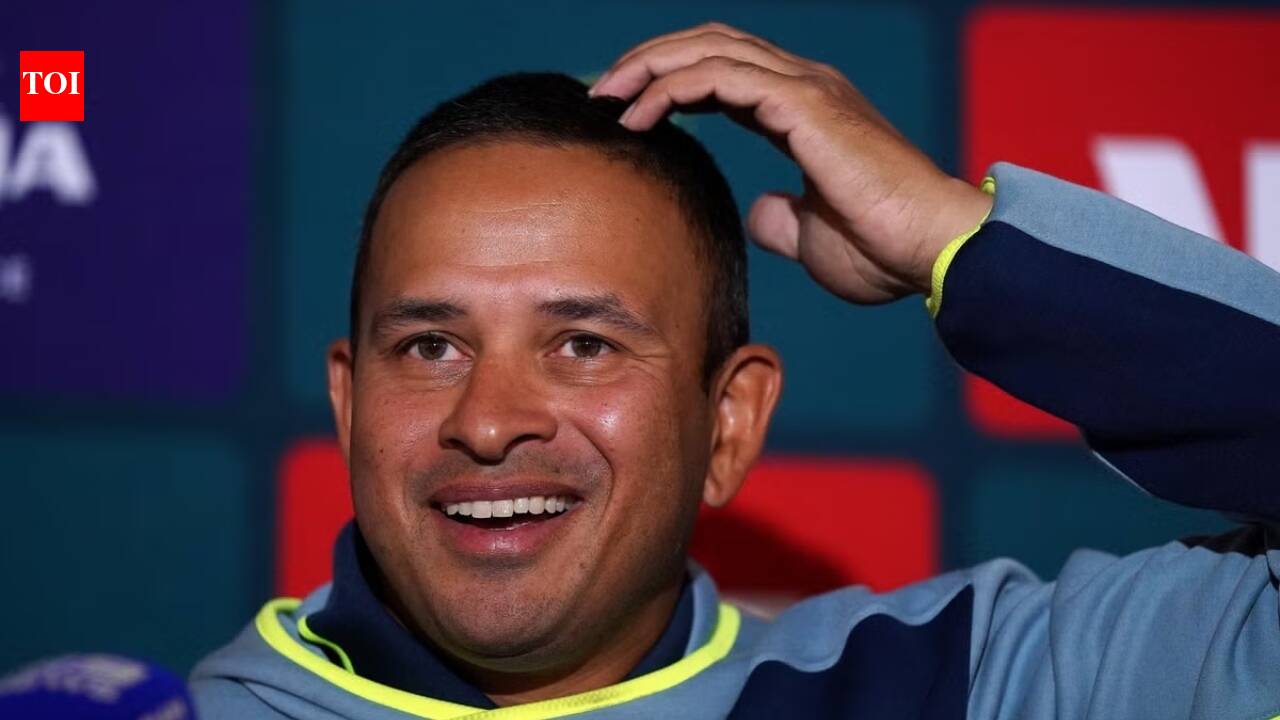
Aussie cricketer Usman Khawaja revealed he lived with rheumatoid arthritis throughout his international Test career. He kept the diagnosis secret for years, fearing it would end his dreams. After retiring in January 2026, he shared how medication helped him play 88 Tests and score 16 centuries despite the painful condition.
Aussie cricketer Usman Khawaja spent nearly his whole international Test cricket career carrying a secret: he was living with rheumatoid arthritis, a relentless autoimmune disease that once left him barely able to shuffle from his bed to the bathroom. He kept this battle hidden for years, worried that being open about his diagnosis could cost him his cricketing dreams, or make others see him differently. Only after he hung up his baggy green following Australia’s Ashes win in January 2026 did he decide it was time to share his story.
Usman Khawaja’s revelation: What the cricketer shared
In his interview with the Australian Broadcasting Corporation’s Australian Story, published recently, Usman Khawaja talked about those early, terrifying days. The pain in his left knee was so excruciating he actually wondered if he was dying. Imagine being a young athlete with your whole future ahead of you and, suddenly, you can’t walk the ten metres to the bathroom. That’s exactly where Khawaja was at just 22: stuck, scared, and unsure if he’d ever set foot on a cricket field again. But Usman is no quitter; he fought back. Through a mix of stubborn persistence, medical support, and regular injections of medication, he managed to claw his way back into cricket about six months after being diagnosed. He describes the medication as a “godsend”—he honestly believes without it, he would have had to say goodbye to the game, and maybe even to a normal life. Treatment didn’t make things easy, but it gave him a fighting chance. In the end, he played 88 Tests, scored over 6,000 runs, and notched up 16 centuries. His decision to reveal his struggles now has put a spotlight on rheumatoid arthritis, a disease people often think only bothers older folks or is just a part of getting old. That’s not true. Rheumatoid arthritis is actually much messier: it’s a harsh autoimmune disorder that can cripple people of all ages, stealing their energy, damaging their joints, and even affecting organs beyond bones and cartilage.
What exactly is rheumatoid arthritis?
It’s a condition where your own immune system turns against you, attacking the tissue lining your joints. This inflames the joints, making them hurt, swell, and stiffen up. For some, the damage isn’t just in the hands and feet, but goes after places like the heart, lungs, or eyes. The World Health Organization says about 18 million people worldwide had it in 2019. Some get lucky and experience stretches of relief, but for others, the pain and fatigue just keep coming back, making work, sleep, and even basic chores tough. Without treatment, the inflammation sticks around and can permanently wreck your joints. Khawaja’s story brings home how brutal the disease can be. If a fit, professional athlete can be floored by it, what about everyday people?
The early signs
For rheumatoid arthritis, the signs often start subtly. You might feel joint pain, especially after resting, or stiffness in the morning that lasts longer than you’d expect with regular aches. Joints get swollen, warm, and tender, sometimes on both sides of the body (like both wrists). Persistent fatigue is common, too. Sometimes you get hit with a low-grade fever or lose your appetite. Everyday stuff, like opening jars, climbing stairs, or even dressing, starts to feel like a marathon. Symptoms can come and go, and just when you think you’re improving, a flare-up can knock you back again. If you notice lasting swelling, pain, or your mornings turn into a stiff battle, don’t brush it off. These signs don’t always mean you have rheumatoid arthritis, but it’s worth seeing a professional healthcare provider. Catching it early can really help limit the damage.
Why does rheumatoid arthritis hit some people and not others?
Nobody’s completely sure. Scientists suspect a mix of genes and environmental triggers. Well-known risk factors include smoking, being female, getting older, and having a family member with the disease. Obesity and certain pollutants can also raise the risk. But you can still get it even if you tick none of those boxes. Khawaja was just 22, and a living proof that it can strike younger adults.
What about prevention?
At the moment, there’s no foolproof way to avoid getting rheumatoid arthritis. You can stack the odds in your favour by staying active, eating well, keeping your weight healthy, avoiding cigarettes, and even caring for your teeth. None of these guarantee you won’t get it, but they support general health and might help. Diagnosing it isn’t straightforward, since the symptoms often masquerade as other problems. Doctors usually check your history, examine aching joints, and run blood tests looking for inflammation and specific antibodies. Imaging like X-rays or ultrasounds can reveal damage. But there’s no single test that says “you’ve got RA.” Rheumatologists piece together clues from different sources.
Is there a cure for RA?
As for treatment, the goal isn’t to cure but to manage. Doctors usually prescribe drugs called DMARDs (like methotrexate) or newer biologicals to slow the disease. You might take anti-inflammatory meds or painkillers, along with therapies to keep you moving and able to handle day-to-day tasks. Khawaja credits his return to cricket to regular medication injections, though he hasn’t named the drug, so speculation isn’t helpful. What matters is that treatment must be personal, tailored to each patient, and always guided by medical professionals. Despite the severity of his illness, Khawaja didn’t let it define him. Two years after diagnosis, he debuted in Test cricket and went on to achieve greatness, eventually retiring a hero after the Ashes in 2026. By sharing his story now, he wants to give hope to others fighting autoimmune diseases, showing them that a difficult diagnosis doesn’t always spell the end of their ambitions.