
Between October 1, 2021 and October 15, 2026, India's top seven batters smashed 1,214 sixes in 152 T20Is. This massive jump in six-hitting shows how T20 cricket changed the game. While fans love the thrill, many worry that technique is fading. Gautam Gambhir said, "Sometimes you're so used to muscling the ball."
Between October 1, 2021 and October 15, 2026, India's top seven batters smashed 1,214 sixes in 152 T20Is. One thousand two hundred and fourteen, a number that seems intimidating on its own. But it seems even more so when compared to the previous five-year cycles.
Between 2016 and 2021, India's batters hit 487 sixes in 88 T20Is. The 2011-2015 cycle saw 118 sixes (in 30 T20Is) while in the 2006-2010 period 138 maximums were hit (in 27 T20Is). The jump in India's six-hitting prowess is astounding, yet worrying at the same time.
Worrying, because in the corresponding cycles, according to data provided by CricViz, India's Test batting average (batters 1-7) has gone from a high of 45.98 in the 2006-2010 cycle to 37.68 in 2021-2026.
This decline in the Test arena is not restricted to India alone. Rather, it is part of a larger global trend that has seen the overall batting average for the top-7 batters for the 12 Test-playing nations drop to just: 34.48.
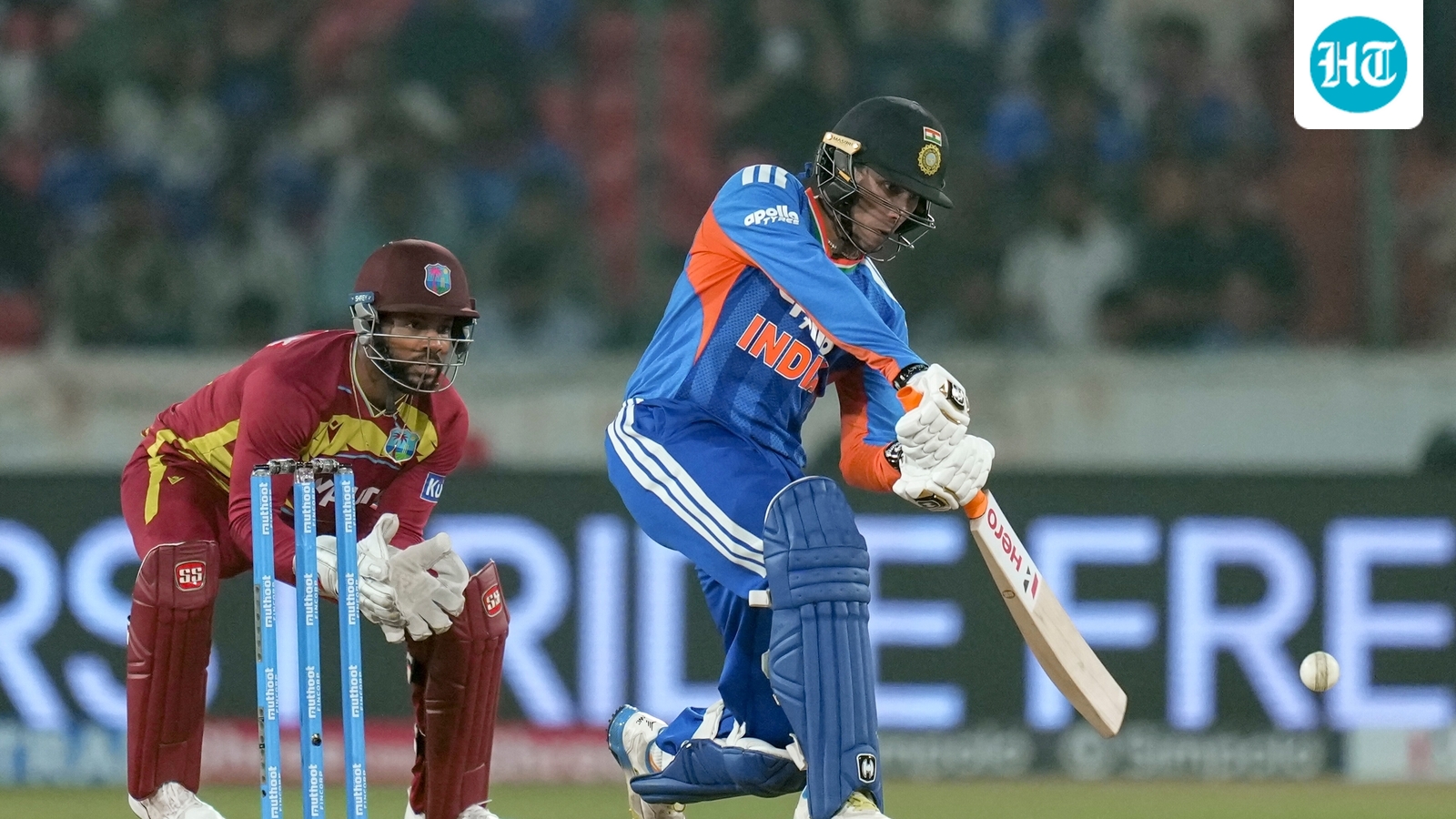
So, before anyone asks 'Are you entertained?,' one perhaps need to wonder how the T20 format is starting to impact cricket as a whole. The India-West Indies series has already seen 98 sixes smashed in four matches and made many wonder whether bowlers have been reduced to being little more than bowling machines.
Here's how India's batters have fared in T20s in different time periods (Data as provided by CricViz)
The evolution of modern sports is a double-edged sword, driven by massive technological leaps, shifting cultural values, and unprecedented commercialisation. And depending on who you ask, cricket is either entering a golden age of performance and inclusivity, or losing the raw, unpredictable soul that made people fall in love with it in the first place.
In cricket's case, evolution is T20 cricket. The license to thrill in T20s has brought joy to many fans but it has also come with obvious drawbacks and perhaps the first wicket to fall has been technique.
In T20, the only technique that matters is the one that gets the ball to the boundary line and once technique loses the primacy it deserves, fewer players will practice it. Once fewer players practice it, the standards will start to drop.
In 2024, just after India had lost the Pune Test to New Zealand by 113 runs, Gautam Gambhir touched upon the issue. "Sometimes you're so used to muscling the ball that you end up forgetting the soft hands which probably used to happen eight or 10 years back," Gambhir had then said. "A complete cricketer is a cricketer who plays T20 format and Test cricket successfully. He can adapt his game.
"Growth is not only about hitting the ball in the stands. It's also about batting sessions on a turning track where you know that you will not be able to hit in the stands but you'll be able to rotate better. For that, I think the foundation is very, very important.”
He had pertinently added: "But you will see, probably going forward in future, we'll have the same issues with a lot of other teams as well because the more the T20 cricket is played, the lesser people will start defending."
This is exactly why early finishes are fast becoming the norm in Test cricket. Everyone just wants to have a hit. If defending is a grind, then the big hit is freedom.
Discussing the trend on Sky Sports during England's recent series against Pakistan, former England skipper Michael Atherton had said, “Nass (Nasser Hussain) and I played in the 1990s, and the number of games that finished in three days or less was around 7%, and that is now at 20%, so that is a big difference. In the last decade, there have been nine occasions where Test matches have finished in two days, and there wasn’t a single occasion of a two-day Test between 1946 and 2000. So, I think, the general starting point is that Test matches are going quicker.”
T20 has certainly made cricket more popular and even helped it become part of the Olympic family. But, at the same time, it cannot be denied that it has also robbed the game of some of its charm.
In the years gone by, there used to be a certain amount of awe that a six would evoke. It was about timing and power. It could earn a batter a reputation. But now, with the potent mix of technology and intent, no stand is out of reach for even the tailenders.
This is also why the moving ball poses such a huge challenge to the batters of this era. Why defend or play tight when it might be easier to hit a quick 30 and move on? The 'everybody's doing it' defence has no real value as an argument because many fans have seen other batting greats do it right and do it better.
The last of the generation that started learning the game before the focus moved firmly to T20 cricket is getting ready to hang up their boots. With them, will the old ways die too?
As things stand, the madness of T20 is making game richer, yet poorer. And that should be reason enough to alarm the International Cricket Council. They need to strike a balance. Maybe many cricket boards feel that popularity is the only way forward but perhaps they should also wonder where that leaves the sport that we all grew to love.