
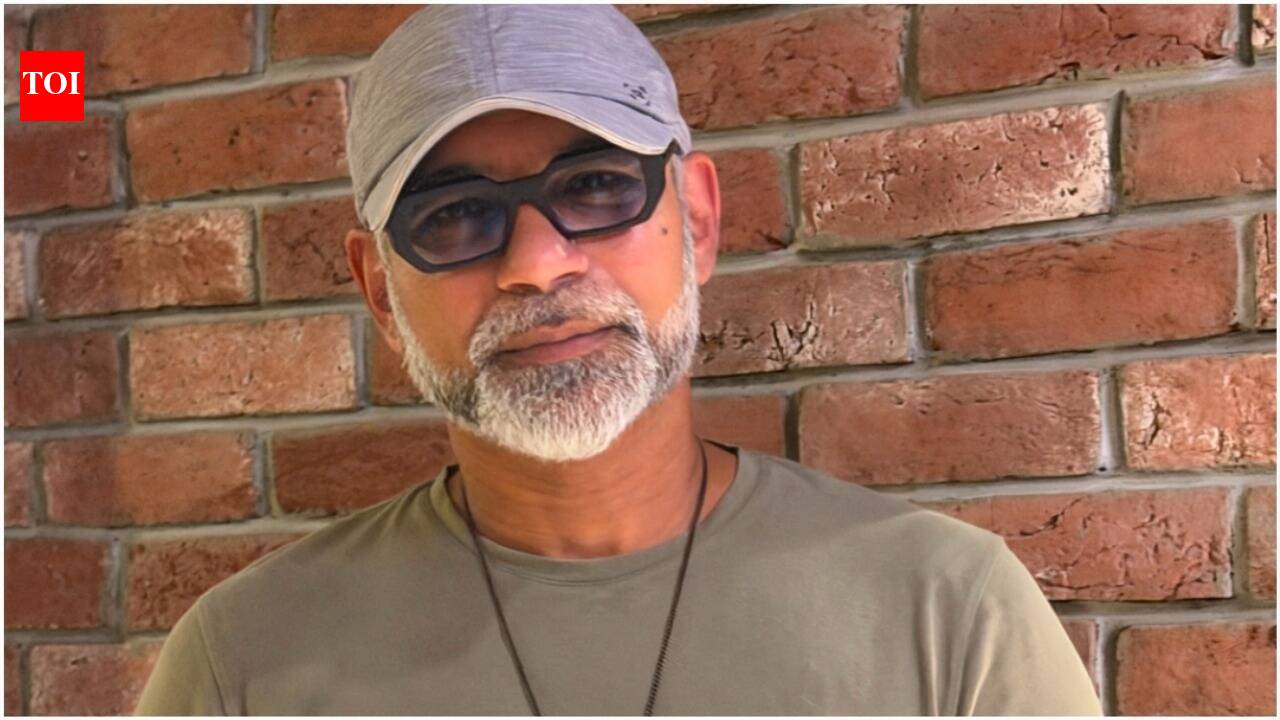
Abhinay Deo said his film Doosra draws inspiration from Sourav Ganguly’s 2002 shirt-waving celebration at Lord’s. The director used this historic moment to tell a story of courage and rebellion. He said, “It is a story of courage. It's a story of rebellion.” The film explores themes of personal freedom.
Abhinay Deo
For Abhinay Deo, Sourav Ganguly’s iconic shirt-waving celebration at Lord’s in 2002 was more than a moment of sporting triumph. It was a statement of national self-belief, one that inspired a generation to challenge the odds. That sentiment became the foundation of Doosra, which draws a parallel between the historic cricketing moment and a young woman’s fight against societal conventions. “It was a national moment,” says Deo, recalling India’s victory against one of the strongest teams in the world, on their home ground. “It became a very important moment for every youngster in India… because it was a moment which told people in our country, particularly the youth of that time, that, you know what, if they can do it, we can do it too. So, it ended up becoming a very big, ‘I can do this too’ moment.” The film channels that spirit through a protagonist whose struggles have little to do with cricket. For Deo, making her the centre of the story was a conscious decision to take the narrative beyond the sport and explore a more universal idea of personal freedom. “If it was a cricketer's story or it just remained to be a cricket story, we would have done immense injustice to a subject matter which was much larger, and we would have left it as a small one,” he says. “It was a story of inspiration. It is a story of courage. It's a story of rebellion. It is a story of standing up and recognising that we are good enough.” Shot several years ago, Doosra is finally reaching audiences with its themes, according to Deo, remaining as relevant as ever. The film’s prolonged journey has also prompted him to reflect on his own career, which began around the same period as Ganguly’s defining moment. “When I heard this moment, it was almost like a bit of an awakening, a small awakening that happened inside of me, that, wow, yeah, that's true,” he recalls. “I also personally felt very, very unknowingly that I am, you know, that I am good enough to take the calls that I did take after that.” For him, the film’s enduring relevance lies in its examination of prejudice. “This is one of the films which is timeless. It doesn't matter when it was shot and when it will release. It is something, it's a film which can be seen 50 years from now, and it will still remain relevant.” That belief extends to his approach to filmmaking. While acknowledging the place of big-budget spectacles, franchises and star-driven cinema, Deo argues that the industry must also invest in unconventional stories that expand audiences’ horizons. “I think we need to, and it's our responsibility as filmmakers, to turn around and also give importance to films which will take storytelling ahead, which will open new windows and new crevices for audiences to look into,” he says. He believes filmmakers should make room for smaller projects and emerging talent rather than assume audiences will only embrace familiar formulas. He says, “It's not ‘audience ko yehi pasand hai.’ It's about what we're giving the audience. It's what lets the audience decide after that whether they like this or that.”