
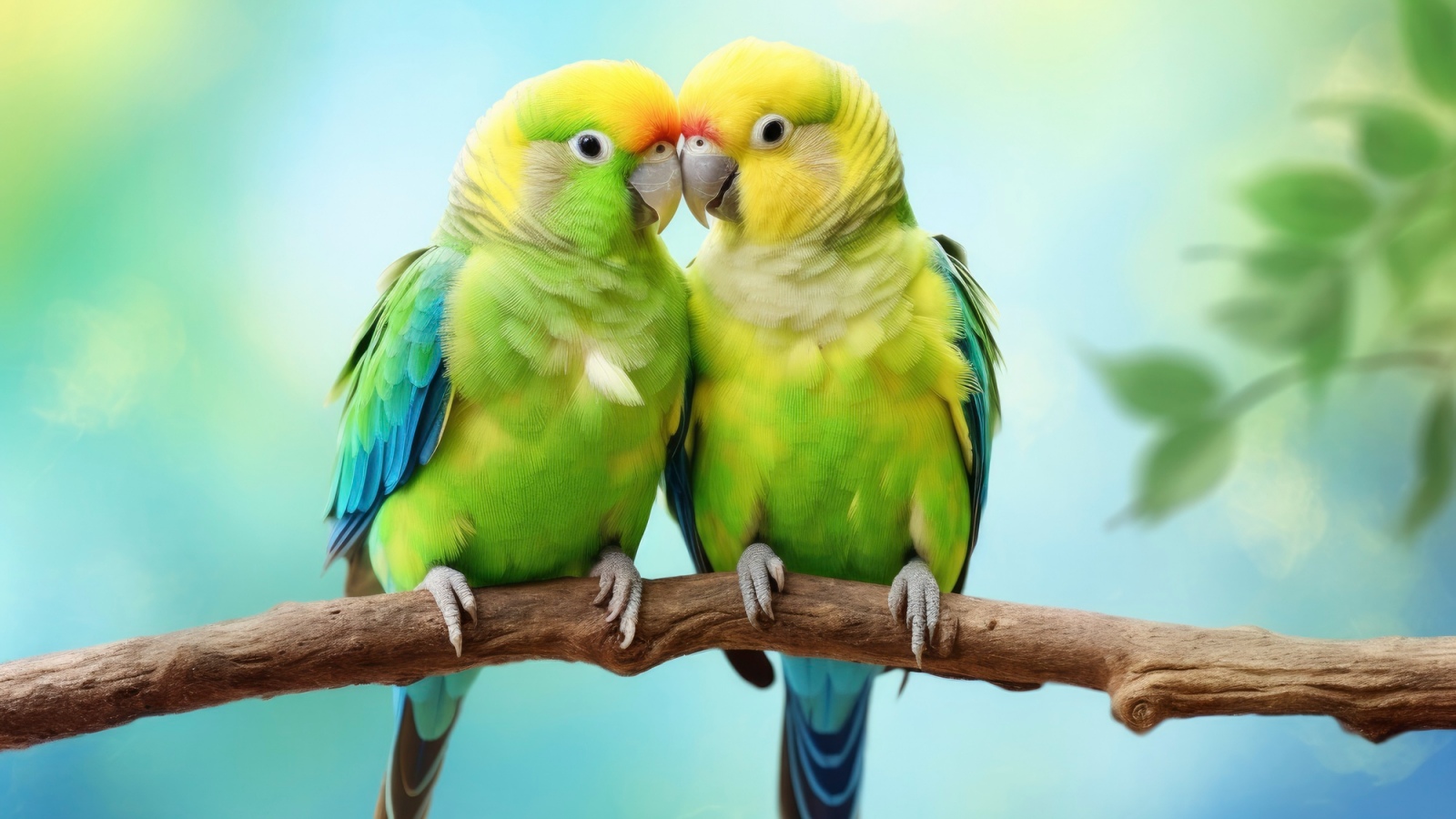
Parrots possess high intelligence due to specialised brain circuits and complex social lives. Dr Vinod Sharma said, "These specialised brain structures allow parrots to process information, learn from experience and respond flexibly to different situations." These birds use their unique forebrain neurons to solve puzzles, recognise people and mimic speech.
Parrots' intelligence stems from specialised brain circuits, complex social lives and an environment that encourages learning.
Parrots are known for their ability to mimic human speech, but their intelligence goes far beyond repeating words. From recognising familiar people to solving puzzles and learning through observation, these birds demonstrate impressive cognitive abilities. Their capacity to adapt to new situations, remember information and respond to social cues has made them the subject of scientific research into animal intelligence.
According to Dr Vinod Sharma, Head of Veterinary Services and Director at DCC Animal Hospital, Gurugram, parrots owe their intelligence to a combination of specialised brain structures, strong social bonds and the ability to learn from their surroundings. Their long lifespans and complex social lives also create opportunities for learning, memory and problem-solving.
Why are parrots more intelligent than many other birds?
One reason is the organisation of their brains. Although a parrot's brain is relatively small, it contains a high number of neurons in the forebrain, or telencephalon, a region associated with learning, decision-making and flexible behaviour, says Sharma.
Research suggests that parrots and corvids, such as crows and ravens, can have neuron counts in this region comparable to those of some primates, despite differences in overall brain size.
Parrots also have specialised neural circuitry that supports higher cognitive functions. One important structure is the medial spiriform nucleus (SpM), which helps relay information between brain regions involved in movement and cognition. Research has found that this structure is particularly enlarged in parrots compared with several other bird groups.
"These specialised brain structures allow parrots to process information, learn from experience and respond flexibly to different situations," says Sharma.
Their natural environment also plays a role. Parrots often need to locate changing food sources, remember where resources are available and navigate complex relationships within flocks. Their long lifespans give them more opportunities to acquire and retain information over time.
How do parrots mimic human speech?
Unlike most birds, parrots are vocal learners. They can hear sounds, remember them and reproduce them by coordinating their vocal organs. In the wild, they learn calls from other members of their flock, helping them maintain social connections and identify familiar individuals.
In a home environment, human speech can become another set of socially meaningful sounds. "A parrot may learn that saying a particular word gets a response from its owner. Repeated interactions, rewards, and practice can help the bird associate that sound with a particular situation or outcome," Sharma explains.
For example, a parrot may say a familiar word when someone enters a room because it has learned to associate the sound with attention or interaction. Repetition and positive reinforcement can strengthen such associations.
However, mimicking speech does not automatically mean a parrot understands language in the same way humans do. Some birds learn words primarily through association, while others demonstrate more complex forms of understanding.
Research involving Alex, an African grey parrot studied by animal cognition researcher Irene Pepperberg, offered notable evidence of these abilities. Alex learned labels for more than 100 objects and demonstrated skills involving colours, shapes, materials, counting and concepts such as same and different.
"Some parrots can use learned words in ways that go beyond simple imitation. However, their level of understanding varies, and we should not assume that every word a parrot repeats carries the same meaning it would have for a human," says Sharma.
Can parrots recognise people and solve puzzles?
"Problem-solving, recognising familiar people and learning through repeated interactions show that parrots can do much more than copy sounds. They can use information from their surroundings to guide their behaviour," Sharma says.
Some parrot species have also demonstrated tool-use abilities in research settings, although these skills vary across species and individuals. Such behaviours highlight how birds can apply what they have learned to practical challenges.
How does the environment influence a parrot's intelligence?
Although parrots have natural cognitive abilities, their environment determines how many opportunities they get to use and develop them.
Sharma recommends paying attention to the following aspects of parrot care.
* Social interaction: Parrots are social animals and need regular, positive engagement. Talking to them, teaching simple cues and spending time together can provide mental stimulation.
* Foraging activities: Food puzzles and foraging toys encourage parrots to work for their food, reflecting the challenges they encounter in the wild.
* Varied toys and activities: Rotating safe chewable toys, puzzles and climbing structures helps prevent boredom and encourages exploration.
* Reward-based training: Short, consistent sessions that reward desired behaviours can help parrots learn new cues, recognise objects and practise problem-solving.
* Space and physical activity: Birds need enough room to move, climb and fully extend their wings. Safe, supervised flight or exercise opportunities support their overall well-being.
* Sleep, nutrition and veterinary care: Predictable routines, a balanced diet, adequate sleep and appropriate veterinary attention support physical health, which also influences activity and learning.
"Parrots need more than food and a cage. They require opportunities to interact, explore, solve problems and engage in natural behaviours. Without adequate stimulation, they may become bored, stressed or develop repetitive behaviours," Sharma says.
Explore more captivating stories about pets and animals here, and make us your daily stop for the latest from the animal kingdom.