
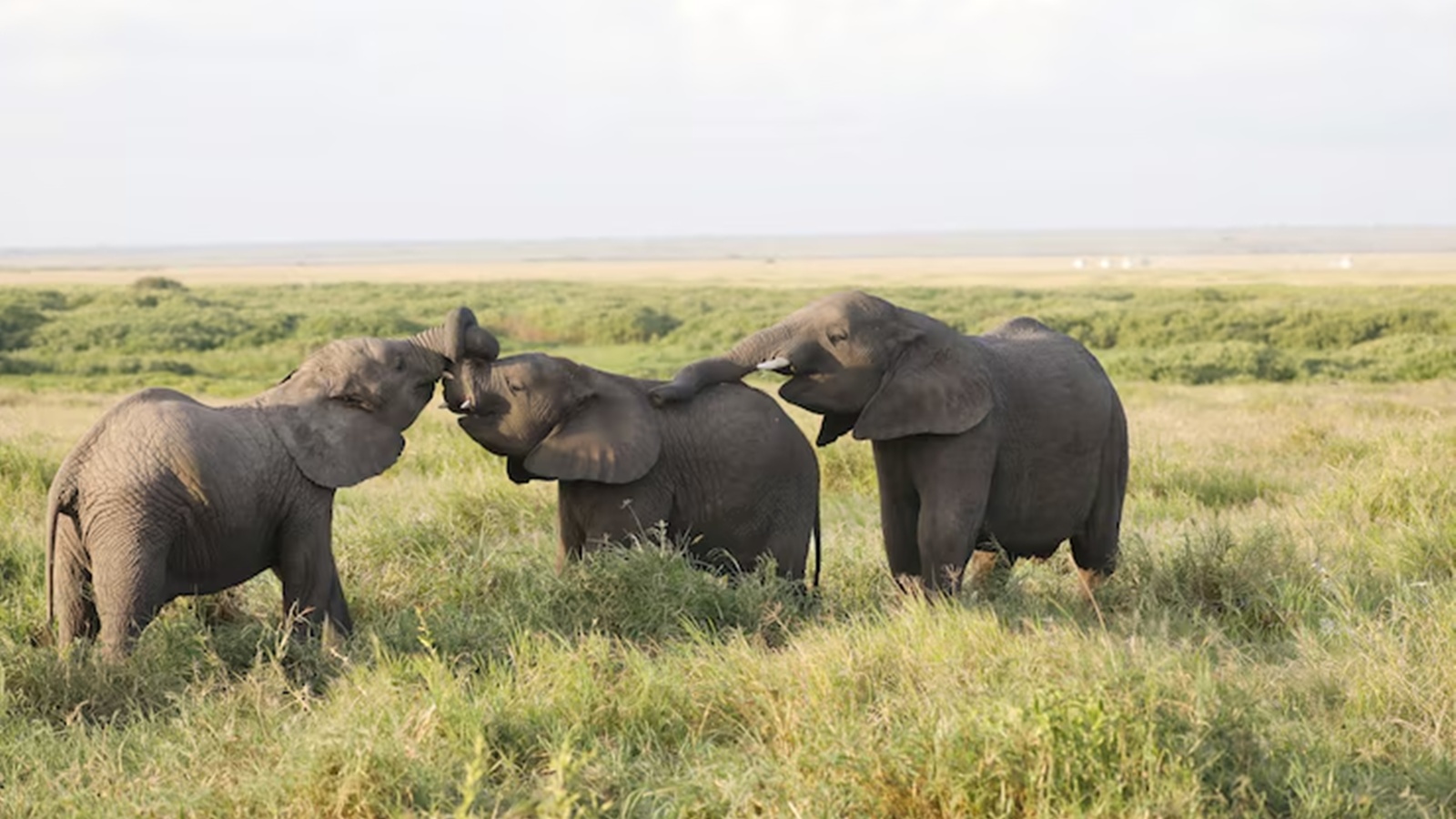
Elephant families in Kenya's Amboseli National Park are led by grandmothers instead of younger females. These wise matriarchs use decades of memory to find water and keep the herd safe from danger. Scientists showed that older leaders make smart decisions, acting as essential guardians and emotional anchors for their groups.
Unlike human societies that often celebrate youth, elephant families place their trust in age
In the wild, elephants live in tight-knit families. Interestingly, the oldest females -- the grandmothers -- lead them. These wise matriarchs aren't just figureheads; they guide their herds using decades of experience, memory, and emotional intelligence.
Unlike human societies that often celebrate youth, elephant families trust age. The matriarch is usually the eldest female. She remembers where the waterholes are during droughts, how to avoid danger, and how to bring everyone safely through tough times. Her instincts and long memory are key to the herd's survival.
Scientists studying elephants in Kenya's Amboseli National Park found that these older leaders make incredibly smart decisions. During dry seasons, they lead their families on long journeys to hidden water sources -- places they haven't visited in years but still remember clearly, according to Nature, an award-winning signature PBS series. Younger elephants don't yet have this kind of knowledge.
Older matriarchs also help keep the herd safe. In one experiment published in the Proceedings of the Royal Society B, researchers played recordings of lion roars. Herds led by older females responded with more caution and coordination than those led by younger ones. They could tell whether the roar came from a real threat. That kind of judgment only comes with age.
But the matriarch does more than just lead. She brings emotional stability to the group. When she's around, the younger elephants feel more secure. She steps in when there's conflict, comforts the distressed, and keeps everyone together. If she dies -- especially suddenly due to poaching -- it leaves the whole group unsettled. They can become disoriented, even depressed.
And that's where the conservation story comes in. Poachers often go after elephants with large tusks, which are usually the oldest -- often the matriarchs. But killing them doesn't just hurt one animal; it affects the entire herd. When a grandmother elephant is lost, you lose all her wisdom, memories, and social bonds too.
That's why many conservationists argue that protecting matriarchs is just as important as protecting the species itself. These grandmothers are more than leaders. They're memory-keepers, guardians, and emotional anchors.
Explore more captivating stories about pets and animals here, and make us your daily stop for the latest from the animal kingdom.