
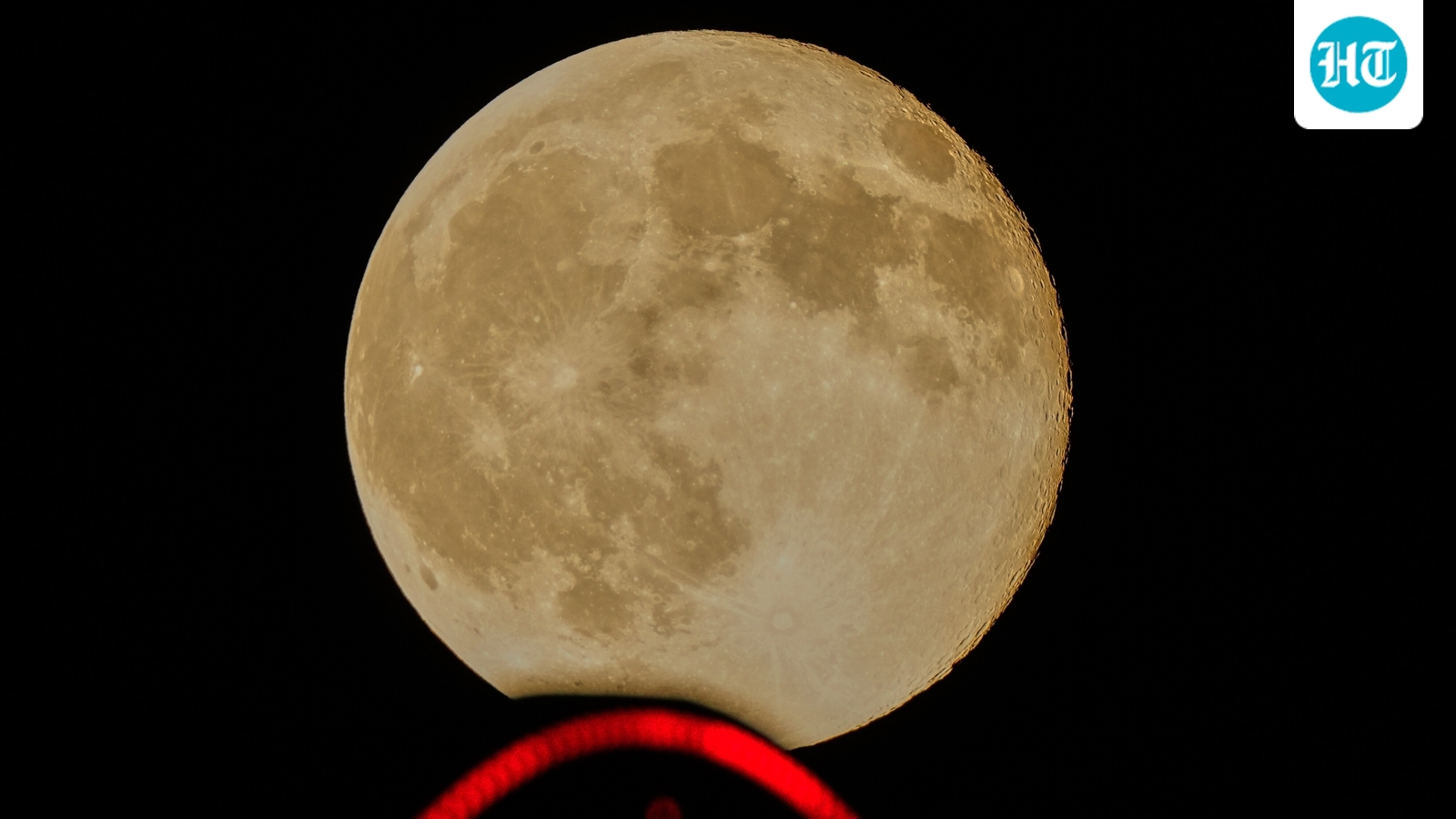
Skywatchers in the United States have two special full Moons to look forward to before Christmas 2026. The Beaver Moon on November 24 starts the series, followed by the Cold Moon on December 23. These supermoons appear larger and brighter than usual, and you do not need a telescope to watch.
Skywatchers in the United States have two special full Moons to look forward to before Christmas 2026. The Beaver Moon on November 24 will begin a series of consecutive supermoons, followed by December's Cold Moon on December 23, just two days after the winter solstice.
According to Space.com, November's Full Moon, or the Beaver, will be the first of three consecutive supermoons. The December event will also bring the closest full Moon of 2026, making it an interesting sight for anyone who enjoys watching the night sky.
The Beaver Supermoon will reach peak illumination on Tuesday, November 24, at 9:53 AM EST.
For US viewers, the Moon will be below the horizon at the exact moment of peak illumination. You can still catch a beautiful view during the early morning hours before moonset on November 24. It will also appear nearly full on the evenings of November 23 and 24.
According to Space.com the Moon will appear full around December 23 and 24, giving skywatchers another opportunity to enjoy the display during the holiday season.
A supermoon occurs when a full Moon happens near the closest point in its orbit around Earth, known as perigee. Because the Moon comes closer to our planet, it can appear slightly larger and brighter than an average full Moon.
According to NASA, the supermoon can appear up to 14% larger and 30% brighter than the smallest full Moon of the year. However, you may not notice a dramatic difference without comparing the views.
You do not need a telescope to enjoy either event. Find a location with a clear view of the horizon, away from bright city lights. Watching the Moon rise can make it appear especially large because of an optical effect called the Moon illusion.
Check your local moonrise and moonset times before heading outside, as they vary across the United States.