
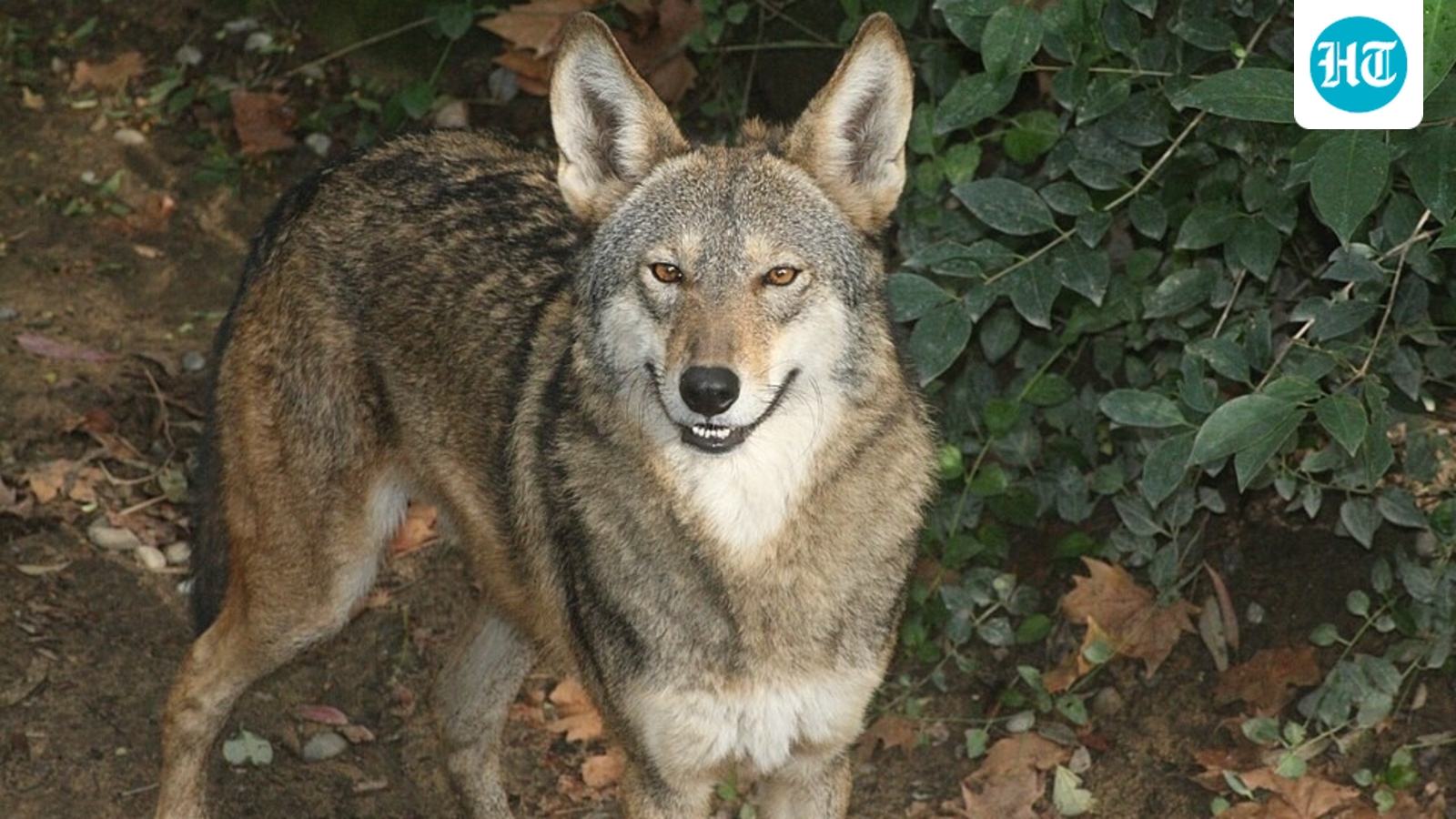
In 2018, DNA from wild canines on a Texas island revealed genes from red wolves, a species declared extinct in the wild nearly four decades earlier. Researchers found these unique markers while studying local animals. This discovery surprised many, as experts previously thought these wolves vanished from the region long ago.
Imagine an animal that vanished from the wild and then left a clue in a place no one expected. That's what happened on Galveston Island, Texas. A 2018 study titled 'Rediscovery of Red Wolf Ghost Alleles in a Canid Population Along the American Gulf Coast,' published in the journal Genes, found red wolf genes in the DNA of wild canines there. Red wolves had been declared extinct in the wild by 1980. Even the scientists were surprised by the finding, because conventional science had dismissed red wolf sightings along the Gulf Coast as misidentified coyotes.
A species on the edge
Red wolves (Canis rufus) once ranged throughout the southeastern United States. They are bigger than coyotes but smaller than gray wolves. By the 1970s, they were becoming extinct, and many were cross-breeding with coyotes. The last known red wolves were captured for a captive breeding program in an effort to save the species.
The Princeton University study news report said 240 canines were captured for the program. Seventeen were determined to be pure wolves, and of these, fourteen were able to breed. North Carolina began reintroducing red wolves in 1987. But the report says that as of 2018, the wild population had fewer than 40 red wolves, putting the species once again on the brink of extinction in the wild.
A scalpel in the mail
The study began with wildlife biologist Ron Wooten, who had been tracking a pack of canines on Galveston Island. He emailed Bridgett vonHoldt's lab at Princeton, requesting genetic testing on two road-killed animals. vonHoldt says she gets that kind of request often. But his enthusiasm and dedication showed through, as did some very interesting photographs of the dogs. Then the second sample got lost along the way, so Wooten sent the scalpel he had used to take it. Researcher Elizabeth Heppenheimer said no one had ever sent the lab a scalpel before, which made extracting that DNA memorable.
What the DNA showed
Heppenheimer said the find was remarkable because red wolves had been declared extinct in the area more than 35 years ago. The team compared the Galveston DNA with samples taken from 29 coyotes in Alabama, Louisiana, Oklahoma, and Texas. They also used 10 gray wolves from Yellowstone, 10 eastern wolves from Algonquin Provincial Park in Ontario, and 11 captive red wolves.
The Galveston animals were genetically closer to captive red wolves than to typical southeastern coyotes. They had genes found in captive red wolves, but not found in coyotes and gray wolves. They also had a genetic variation found in no known North American canine. Heppenheimer said it may represent red wolf genes lost during captive breeding. The study title uses the term "ghost alleles", and alleles are simply different versions of a gene.
What it means, and what it does not
That doesn't mean there's a secret pack of pure red wolves hidden somewhere. The researchers only had photographs and small samples from road-killed animals to work with and did not measure any body dimensions. The animals were "ambiguous-looking," Heppenheimer acknowledged, probably because of interbreeding. Wolves and coyotes tend to interbreed only when population densities are very low.
Texas may be a good place for future reintroduction efforts, Heppenheimer said, but first more research is needed. If reintroduced wolves interbreed with local coyotes, the hybrids could help restore lost red wolf genes. There might not be a "canonical coyote" in the American Southeast, said senior author vonHoldt. Some coyotes, she said, might retain genetic traces of an extinct species. Heppenheimer, a lead author along with Kristin Brzeski, credited the people on the ground for the discovery.