
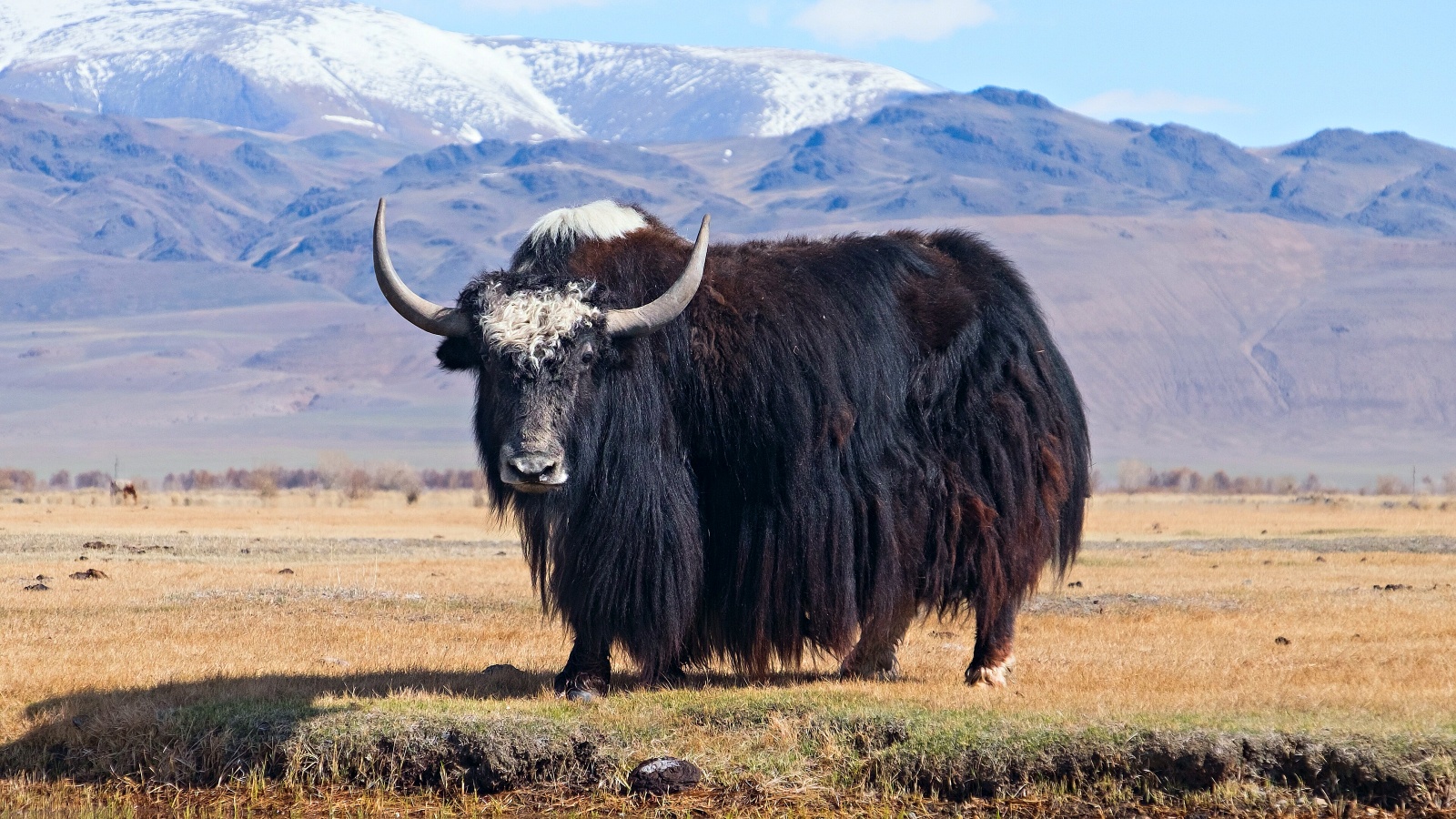
Scientists identified a new bovine species called Yak X using ancient DNA from fragmented bones. Published in Current Biology, the study showed its lineage separated from modern yaks 400,000 years ago. Love Dalén said, “It is unusual, especially to recognize a large mammal species from small, unidentifiable fragments.”
The bones were too fragmented for scientists to identify the animal by its shape alone. Ancient DNA, however, offered a crucial clue. Genetic analysis showed that the remains belonged to a distinct bovine species, different from other known living and extinct species.
The findings, published in the journal Current Biology, revealed that Yak X’s evolutionary lineage separated from the ancestors of modern yaks around 400,000 years ago.
“It is unusual, especially to recognize a large mammal species from small, unidentifiable fragments,” evolutionary geneticist Love Dalén, the study’s senior author, told Reuters.
The oldest specimen examined dated to approximately 250,000 to 200,000 years ago, while the youngest was around 27,000 years old.
For now, researchers are calling the animal Yak X rather than giving it a formal scientific name. Genetic evidence alone is not sufficient to formally name a new species, they explained.
What did Yak X look like, and how did it live?
Scientists believe Yak X probably looked more like a modern yak than a bison, although its exact appearance remains uncertain.
Modern yaks are sturdy animals with horns, long fur and a hump around their shoulders. The largest males can weigh up to a tonne, and wild yaks today live at higher elevations of the Tibetan Plateau.
Yak X inhabited a very different landscape. During the Ice Age, much of Siberia was part of a vast grassland ecosystem known as the mammoth steppe. It was home to an extraordinary range of large animals, including steppe bison, aurochs (the extinct wild ancestors of today’s domestic cattle), woolly mammoths, woolly rhinoceroses and horses. Predators such as cave hyenas and brown bears also roamed the region.
Denisovans, the extinct human relatives whose remains were first identified in the same cave, may even have hunted the animal.
“It seems reasonable that Yak X was on the Denisovan menu,” Dalén told Reuters.
When did Yak X become extinct?
The animal’s genetic history offers clues about how its population changed over time. Researchers found evidence suggesting that its numbers may have declined during a warmer period around 120,000 years ago.
The youngest known specimen dates to about 27,000 years ago, meaning Yak X survived at least that long. It became extinct sometime afterwards, although the available evidence does not establish exactly when or why it disappeared.
The discovery adds another species to the list of large Ice Age mammals that eventually vanished. It also highlights how ancient DNA can help scientists identify previously unknown animals, even when the only surviving evidence consists of tiny, unidentifiable bone fragments.
Explore more captivating stories about pets and animals here, and make us your daily stop for the latest from the animal kingdom.