
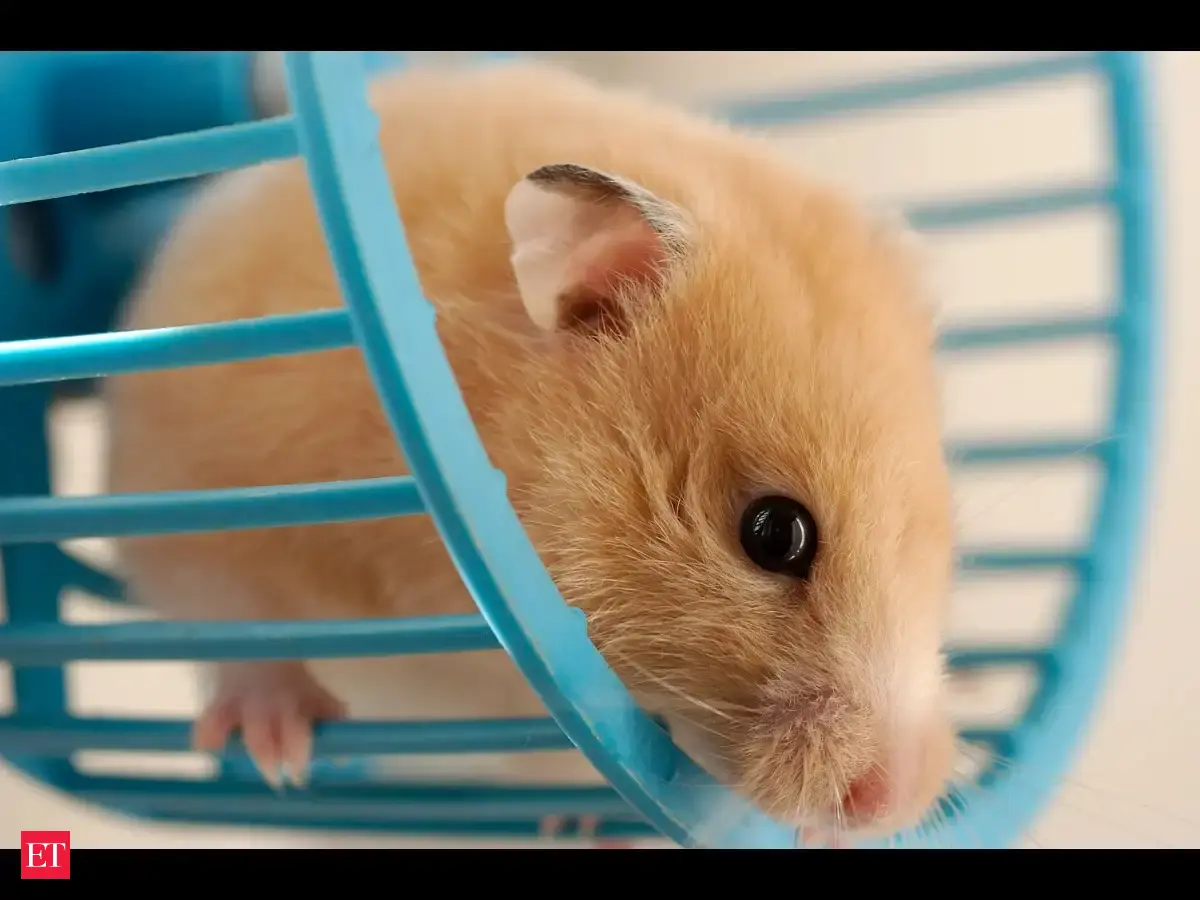
Japanese researchers fused red algae and hamster DNA to create hybrid cells called planimals. Published on November 12, the study showed these cells kept algal genes through 155 generations. Sachihiro Matsunaga said, "We wanted to understand whether entire chromosomes could cross the enormous evolutionary divide between algae and animals."
Japanese researchers have made a significant advancement by fusing genetic material from single-celled red algae with hamster cells, leading to the creation of hybrid cells dubbed 'planimals'. This remarkable study indicates that the algal genome can endure through many generations, even without selective advantages. Interestingly, 96% of the algal protein-coding genes were inactive initially. The scientists plan to unlock specific algal genes to impart distinctive biological functions to animal cells.
Some 1.5 billion years ago, a primitive cell engulfed a photosynthetic bacterium, which eventually evolved into chloroplasts, the same structures that made it possible for plants and algae to convert sunlight into energy. Now, some Japanese scientists have recreated a small part of that evolutionary process in a laboratory, fusing plant and animal genetic material together in cells they call "planimals".
In a study published in the journal Nature Communications on November 12, researchers led by the University of Tokyo interlaced single-celled red algae with mammalian cells derived from hamsters and found that the resulting hybrid cells could retain almost the entire algal genome through repeated cell divisions.
The researchers found that one hamster-derived cell line retained approximately 16.3 million base pairs of algal nuclear DNA, which includes genetic sequences from all 20 algal chromosomes.
Fusion of a single-celled red alga with a cultured animal cell to create a "planimal" cell. Photo: Sachihiro Matsunaga, University of Tokyo (2026).
In the process known as "horizontal gene transfer," the foreign genetic material was detectable through 155 generations of cell division, while substantial portions survived for 95 generations even without antibiotic selection.
"We wanted to understand whether entire chromosomes could cross the enormous evolutionary divide between algae and animals and whether animal cells could stably maintain and pass on such foreign genetic material to their daughter cells," Sachihiro Matsunaga, a professor at the University of Tokyo and senior author of the study, said in a statement.
"We also wanted to discover how animal cells accommodate DNA from such a different organism without losing their ability to survive and divide. These questions are fundamental to understanding how genetic material can move across species boundaries and contribute to evolution."
The experiment revealed that the foreign genetic material did not disappear after the two cells combined, and substantial portions of the algal genome got attached to the mammalian chromosomes and were passed on to daughter cells.
Plants and animals cannot reproduce with each other; hence, it is not possible to combine their chromosomes through mating. Yet the scientists say they have "succeeded in creating hybrid chromosomes containing genetic material from both an alga and a mammal, and have shown that this genetic material can be stably passed on to daughter cells through repeated cell divisions,".
"Planimal" cell chromosomes showing algal DNA (green) associated with hamster chromosomes (blue). Magenta marks repetitive DNA sequences. Photo: Sachihiro Matsunaga, University of Tokyo (2026).
"Remarkably, our planimal cells retained nearly an entire algal genome over many generations. This demonstrates that even the vast evolutionary divide between plants and animals can be crossed at the level of chromosomes, without reproduction," added Matsunaga.
Another finding from the researchers was that the mammalian cells did not immediately start using the foreign algal genes; approximately 96% of the transferred algal protein-coding genes showed no detectable expression.
The team now hopes to understand whether selected algal genes can be activated inside animal cells to introduce biological functions that mammals do not naturally possess. "Our next challenge is to selectively switch on the genes we need and make them work inside animal cells," said Matsunaga.
Their ultimate goal is to activate these biological pathways and "give animal cells some of the unique abilities of plants and algae," the researcher said.
One important distinction is that the researchers have not yet created photosynthetic animal cells, and achieving that would require functional chloroplasts and further genetic engineering.