
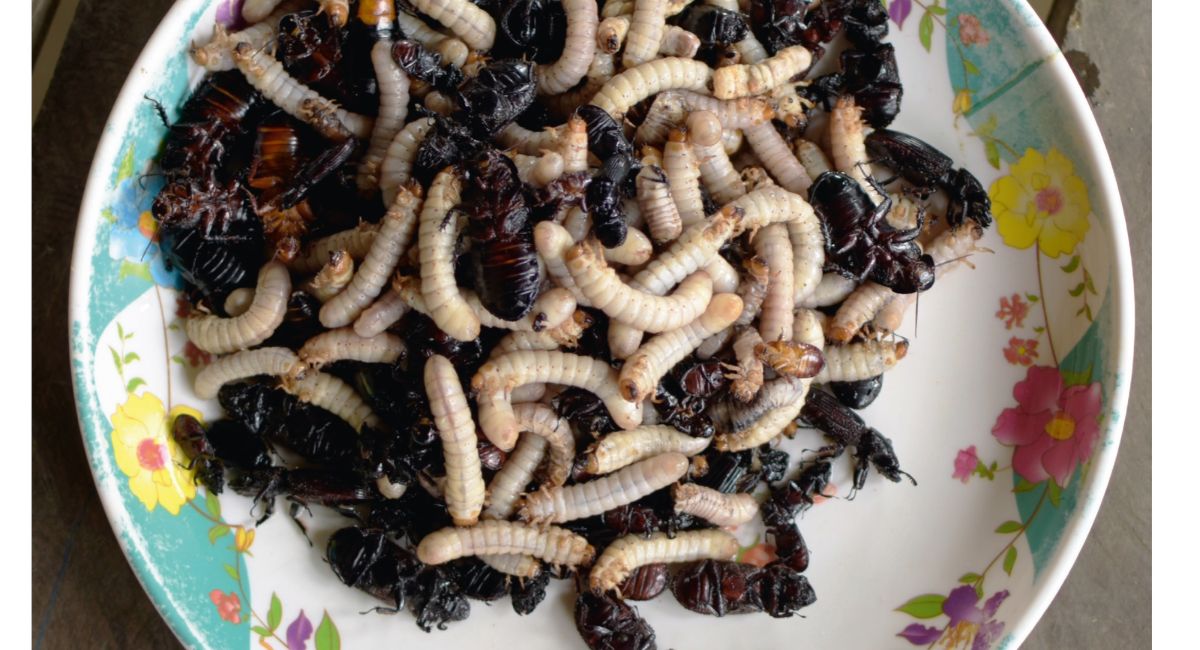
A new study documented 75 edible beetle species across four Northeast Indian states, including 24 reported as edible for the first time globally. While these insects offer a protein-rich food source for indigenous communities, researchers warned that deforestation and habitat loss now threaten these populations and their traditional food practices.
The study documents 75 edible beetle species across four states, including 24 reported as edible for the first time globally.
GUWAHATI: Edible insects have long been part of the traditional food practices of indigenous communities in Northeast India, where beetle larvae are roasted with local spices and aquatic species are collected from paddy fields. A new scientific study has documented the diversity of edible beetles across the region, highlighting their nutritional potential and the threats facing the habitats that support them.
Published in npj Entomology, a Nature Portfolio journal, the study recorded 75 species of edible beetles and weevils consumed by indigenous communities in Arunachal Pradesh, Manipur, Mizoram and Nagaland. Of these, 24 species were documented as edible for the first time globally, while five were recorded as food sources for the first time in India.
However, the findings also point to concerns over declining beetle populations, with researchers identifying deforestation, habitat destruction and harvesting driven by commercial demand as key factors associated with the decline.
The research was led by Priyadarsanan Dharma Rajan of the Ashoka Trust for Research in Ecology and the Environment (ATREE), with contributions from Swapnil S. Boyane, Aavika Dhanda, A. P. Ranjith and T. Shantibala. Supported by the National Mission of Himalayan Studies under the Union Ministry of Environment and the Department of Biotechnology, Government of India, the study combined interviews with 162 people from nine indigenous communities with field surveys and laboratory-based nutritional analysis.
Researchers documented traditional harvesting techniques, food preparation methods, seasonal availability, cultural practices and medicinal uses associated with the insects.
The findings underline the importance of indigenous ecological knowledge in documenting biodiversity and identifying alternative sources of nutrition. At the same time, they highlight the need to conserve the ecosystems that sustain these species and the food traditions associated with them.
Edible beetles contain varying levels of protein
Nutritional analysis of four beetle species revealed that their protein content ranged from 22.43% to 61% of dry weight, with substantial differences between species.
The coconut rhinoceros beetle (Oryctes rhinoceros) and bamboo weevils belonging to the genus Cyrtotrachelus recorded the highest protein levels, ranging from 46.44% to 61% of dry weight. Aquatic beetles contained comparatively lower levels, ranging from 22.43% to 23.23%.
The analysis also found variations in fat, moisture, energy and mineral content among the four species examined.
According to the findings, edible beetles could contribute to dietary protein intake, although their nutritional value differs considerably by species. The researchers' findings caution against treating all edible insects as having the same nutritional composition.
The study comes amid growing international interest in insects as alternative sources of animal protein. Conventional livestock production places considerable demands on land and water resources and contributes to greenhouse gas emissions, prompting researchers to explore other food sources.
In Northeast India, however, insect consumption is not a new dietary trend. It is an established practice among several indigenous communities, with knowledge of edible species and their preparation passed down through generations.
Angami community reports the highest number of edible species
The study found that the diversity of beetles consumed varied considerably between communities, reflecting differences in local ecosystems, food preferences and traditional knowledge.
The Angami community in Nagaland reported consuming 31 species, the highest number among the communities documented. The Nyishi community in Arunachal Pradesh followed with 27 species, while the Meitei community in Manipur reported seven.
Many species were consumed by only one community, indicating limited overlap in the edible beetles used across the groups surveyed.
The insects were collected from different environments, including forests, bamboo clusters, wetlands and paddy fields. Their availability also varied according to the season.
Terrestrial beetles from the families Lucanidae, Scarabaeidae and Passalidae were generally available between April and November. Aquatic beetles and rhinoceros beetles were reported from May to December, while longhorn beetles were commonly encountered during the pre-monsoon and monsoon periods.
Preparation methods included boiling, roasting and frying, often with local spices and bamboo shoots. While some communities preferred particular body parts, others consumed the entire insect.
Traditional medicinal uses and cultural significance
Beyond their role as food, beetles feature in the traditional medicinal beliefs and cultural practices of some communities.
In Nagaland, members of the Angami community reported using longhorn beetle larvae to treat conditions such as pneumonia, muscle aches and joint pain. The Mao community in Manipur reported preparing broth from longhorn beetle larvae to treat coughs.
These findings document traditional beliefs and practices but do not establish the medical effectiveness of the reported treatments.
The study also recorded the use of beetles in traditional ornaments. Preserved jewel beetles belonging to the genus Sternocera have been used to make necklaces worn by men during festivals and cultural gatherings in Nagaland.
Food-related customs and taboos were also documented. In some Nagaland villages, children were allowed to eat longhorn beetle larvae but not adult beetles, based on a traditional belief that consuming the adults could harm a child's neck.
These practices demonstrate that edible beetles hold significance beyond nutrition, forming part of the cultural knowledge and customs of the communities surveyed.
Habitat destruction and commercial harvesting raise concerns
Despite their nutritional and cultural importance, some edible beetle populations may be under pressure.
Around 79% of the harvesters interviewed reported a decline in wood-boring beetles over the preceding decade. Among those who observed a decline, 63% attributed it to deforestation and habitat loss, while others pointed to excessive harvesting driven by market demand.
The figures represent the observations and explanations of the study participants and should not be interpreted as a region-wide scientific measurement of beetle population declines.
Researchers documented harvesting practices in which trees or wooden stumps were split open using axes to extract longhorn beetle larvae. Depending on the species and the extent of infestation, a single tree could yield between 20 and 40 larvae.
The larvae were sometimes tied to sticks and sold in local markets. In Kohima, Nagaland, researchers observed longhorn beetle larvae being sold for around Rs 50 each.
The study notes that collecting some wood-boring beetles may help control forest pests. However, harvesting methods that involve cutting trees or damaging wooden habitats could affect forest ecosystems if undertaken extensively, particularly in areas where beetle populations are already under pressure.
The researchers distinguish between traditional harvesting and the wider threats posed by habitat destruction and increasing commercial demand. As markets expand, unsustainable extraction could place additional pressure on beetle populations and the ecosystems on which they depend.
Study calls for conservation and sustainable harvesting
The researchers have called for stronger habitat protection and sustainable harvesting practices to ensure that edible beetles remain available to local communities.
Their recommendations include conserving forests and other natural habitats, aligning harvesting with the seasonal availability and life cycles of different species, exploring mass rearing to meet rising demand, and involving indigenous communities in decisions concerning the sustainable use of these resources.
Protecting forests, bamboo stands, agricultural landscapes and wetlands is particularly important because different beetle species depend on different habitats to survive and reproduce.
The study also emphasises the role of indigenous communities in conserving biodiversity. Their knowledge of species, seasonal patterns and harvesting practices has been preserved through generations, often through oral traditions.
Closer collaboration between researchers and indigenous communities could help document this knowledge while respecting community rights over how it is recorded, shared and applied.
For Northeast India, the findings offer a clearer picture of an under-researched food resource with nutritional, ecological and cultural importance. They also highlight the need to balance its potential as a source of food and livelihood with the protection of the natural habitats that sustain it.
The long-term availability of edible beetles will depend not only on recognising their nutritional value but also on preventing habitat destruction and ensuring that harvesting remains sustainable.