
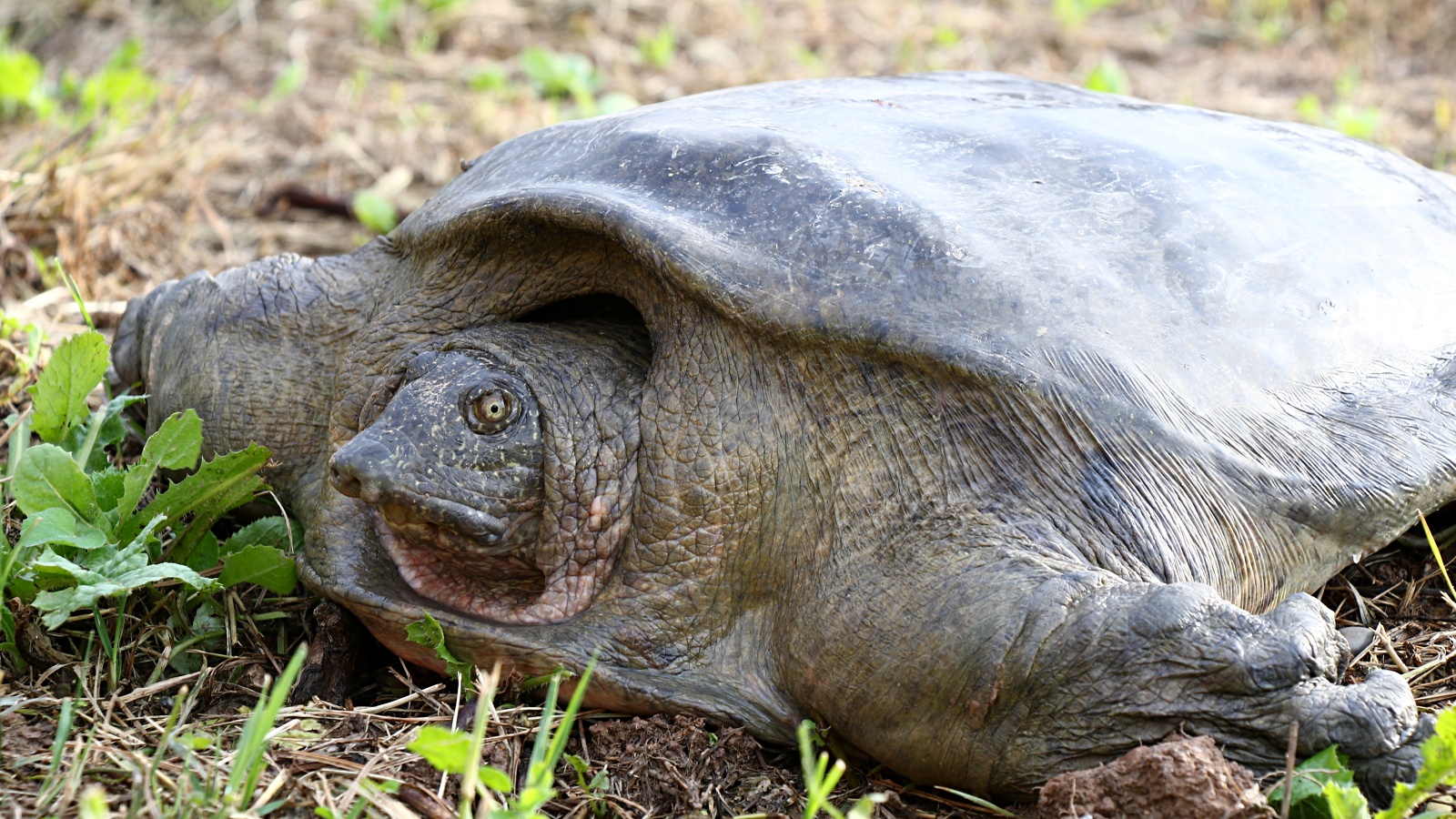
Scientists identified a new extinct softshell turtle species, Rafetus lysoni, from fossils found in North Dakota. The findings, published in the Swiss Journal of Palaeontology on November 2, showed the turtle lived millions of years ago. Researchers used a skull and three shells to confirm this unique ancient animal.
Scientists have identified a new extinct softshell turtle species, Rafetus lysoni, from fossil remains found in North Dakota, US.
A nearly complete fossil skull, a jawbone and three partial shells have helped scientists identify a previously unknown species of softshell turtle that lived in North America millions of years ago.
Named Rafetus lysoni, the extinct turtle was identified from fossils found in the Brule Formation in southwestern North Dakota, US. The findings, published in the Swiss Journal of Palaeontology on November 2, 2026, add to the limited fossil record of softshell turtles from the Oligocene period.
The new species belongs to the genus Rafetus, which includes living softshell turtles found in Eurasia.
What did the fossils reveal?
The researchers studied five fossil specimens: a nearly complete skull, a lower jawbone and three partial shells. Together, these remains helped them identify the animal as a distinct species.
One of the most notable findings was its size. The largest shell was estimated to have measured around 52 cm along its midline. This is an estimate based on the preserved portion of the fossil and comparisons with a smaller, more complete shell.
The skull was also relatively well preserved. It measured about 9 cm from the tip of the snout to the base of the skull and around 12 cm to the tip of a bony projection at the back.
How was it different from other turtles?
The researchers identified several features that set Rafetus lysoni apart from other known softshell turtles.
One key difference was the reduced development of a thickened area of bone near the front of its shell, known as the nuchal callosity. The species also had narrower areas of thickened bone along the sides of the shell.
These differences, along with the arrangement of certain bones in its shell, helped the researchers distinguish it from other North American softshell turtles.
The scientists placed the species in the genus Rafetus because its features appeared closest to those of other members of the group. However, they said its precise evolutionary relationships need further investigation.
What does the discovery tell us about its habitat?
The fossils also offer clues about the environment in which the turtle lived.
Some of the remains were found in the Fitterer Ranch area of North Dakota. The researchers suggest that this region was relatively wet compared with other parts of the Great Plains during the same period.
They point to evidence of a diverse amphibian population, an aquatic salamander, alligator remains and deposits that indicate the presence of streams. Together, these findings suggest that the area had a water-rich environment.
Why is it named Rafetus lysoni?
The researchers named the new species after Tyler R. Lyson, a North Dakota-based palaeontologist who has contributed important fossils to the North Dakota State Fossil Collection. The discovery is particularly significant because the previously documented Oligocene softshell turtle record in North America was based on just two figured shell fragments. The newly described skull, jawbone and shells provide researchers with much more information about the diversity of softshell turtles that lived on the continent during this period.
Explore more captivating stories about pets and animals here, and make us your daily stop for the latest from the animal kingdom.