
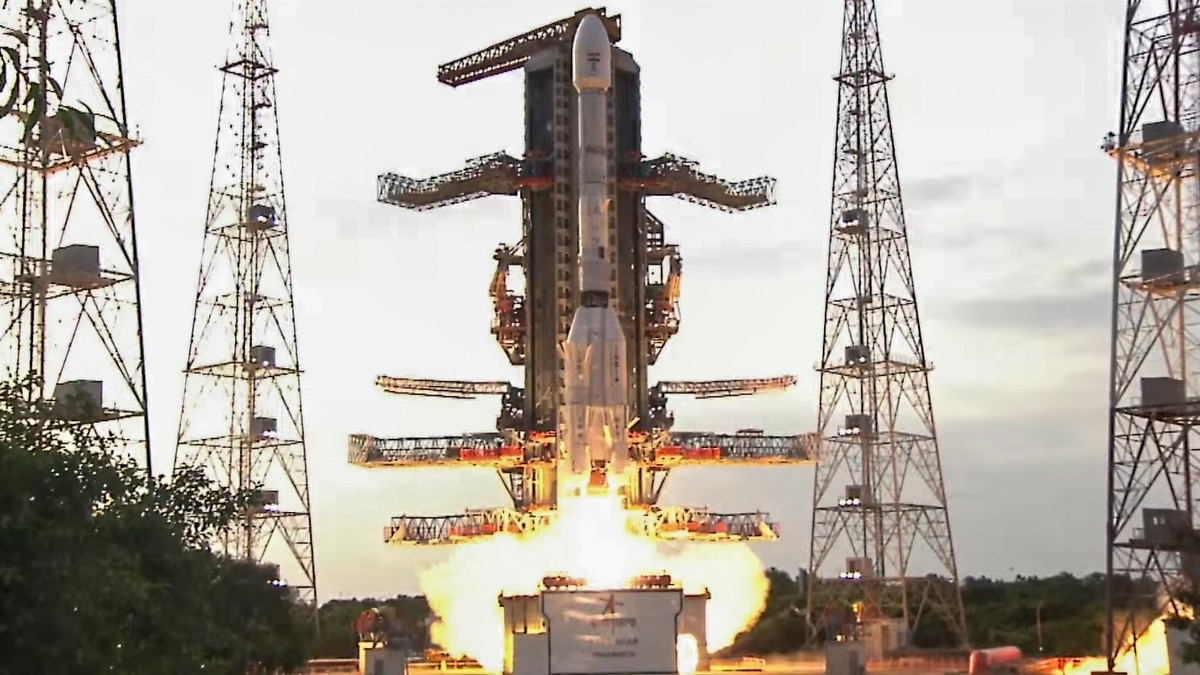
Isro will launch the NVS-03 satellite on a GSLV rocket from Sriharikota on October 30, 2026. This mission aims to fix a gap in India’s navigation system, which currently lacks enough satellites for independent positioning. Once operational, this new satellite will help strengthen the NavIC network for civilian and strategic use.
India's homegrown navigation system can still provide timing services but cannot currently determine positions independently. Isro's NVS-03 launch could help address the gap.
The Indian Space Research Organisation (Isro) is preparing to launch its GSLV rocket, carrying a navigation satellite that could help restore India's ability to independently determine locations using its own satellite system.
The mission will carry NVS-03, the third satellite in Isro's second-generation Navigation with Indian Constellation (NavIC) programme.
The launch is scheduled for October 30, 2026, from Sriharikota in Andhra Pradesh.
The mission is particularly important because India's homegrown navigation system is facing a shortage of operational satellites needed to provide positioning services independently.
WHAT WILL GSLV DO?
The GSLV-F18 rocket will carry NVS-03 into space to strengthen NavIC, India's regional satellite navigation system.
Similar in purpose to the United States' Global Positioning System (GPS), NavIC provides location and timing information across India and around 1,500 km beyond its borders.
These services support applications ranging from road navigation and transport to maritime operations and emergency response. They are also important for strategic purposes, allowing India to reduce its dependence on navigation systems operated by other countries.
NVS-03 is part of a newer generation of satellites designed to improve the reliability of NavIC and maintain its services as older spacecraft age.
WHY INDIA NEEDS ANOTHER NAVIGATION SATELLITE
The need for this navigational technology is rather urgent for India.
In a written reply to Parliament in July, the government said only three satellites were providing positioning, navigation and timing services through NavIC.
A satellite navigation receiver generally needs signals from at least four satellites to calculate its position and correct its internal clock.
With only three operational satellites available for positioning, NavIC cannot currently provide standalone positioning. Its timing service, however, remains functional.
This does not mean navigation services on phones have stopped working. Many devices also use other satellite systems, including GPS.
The launch of NVS-03 is expected to help restore NavIC's independent positioning capability once the satellite reaches its intended orbit and becomes operational.
The government has also said NVS-04 and NVS-05 are in advanced stages of development. Together, these missions are part of Isro's effort to strengthen India's navigation network for civilian and strategic use.