
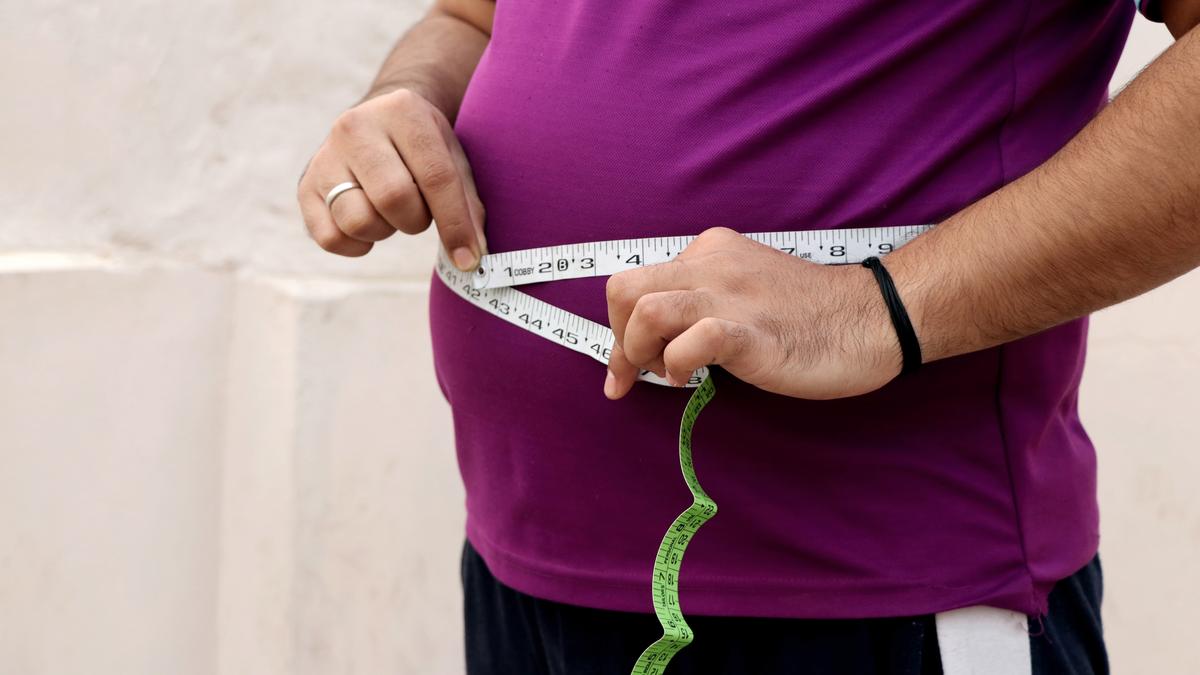
In 1832, Adolphe Quetelet created the Quetelet Index to study human populations using height and weight. In 1972, Ancel Keys renamed this measure the body mass index. While many use it to classify obesity, it often fails because it cannot tell the difference between muscle mass and excess body fat.
In 1832, a Belgian astronomer and mathematician named Adolphe Quetelet wanted to understand if height and weight measurements could be used to understand human populations.
He collected and analysed these measurements to determine what parameters would constitute what he called the “average man”. While doing so, Quetelet realised the weight of a person increases approximately in proportion to the square of the height. He expressed this relationship as the ratio of weight to the square of height.
This measure, the Quetelet Index, was one of the earliest metrics for relative body weight. Researchers also used other approaches, including simple weight to height ratios or weight to height-cubed ratios.
In 1972, the U.S. physiologist Ancel Keys and his colleagues set out to compare these different measures and examine how well they represented the amount of fat in the body. They concluded that of the lot, the Quetelet Index was the best, and they renamed it the body mass index (BMI).
Since then, BMI has become one of the most widely used measures of relative body weight. Even though it cannot distinguish between the source of body weight — a high value could reflect greater muscle or bone mass rather than excess body fat — it soon became the principal measure used to classify obesity.