
Punjab's recorded paddy stubble fire events fell from 71,304 in 2021 to 5,114 in 2025. While smoke remains a concern, the data shows farmers changed many practices. Blaming them ignores the complex economic system that shaped this crisis. We must look beyond the fields to solve this regional air problem.
Each autumn, a familiar script returns. Delhi's air turns toxic, television crews travel to Punjab, satellite images of burning fields fill the screens, and the Punjabi farmer becomes the face of northern India's winter smog. The smoke is real, and stubble burning does worsen early winter pollution. But a regional air pollution problem is repeatedly reduced to the image of a farmer setting a field on fire.
The picture is complicated by the numbers. According to the Commission for Air Quality Management, Punjab's officially recorded paddy stubble fire events fell from 71,304 in 2021 to 5,114 in 2025, a decline of about 93 per cent. These are satellite-detected events under the standard ISRO monitoring protocol, not a measure of how much stubble was burnt or how much pollution reached Delhi. Even so, the decline is substantial. Farmers' practices have changed, although the figures alone cannot tell us which intervention made the difference.
This does not excuse burning. It does weaken a politics of blame in which Punjab's farmers carry a disproportionate moral burden for a regional crisis. They are also among its first victims. Farmers and their families breathe the smoke closest to the fields. Research involving PGIMER Chandigarh has documented poorer regional air quality during crop residue burning, while field studies in Punjab have reported more respiratory symptoms and poorer lung function during the burning period.
To understand why burning persists, begin before the match is struck. Punjab's rice-wheat economy was shaped by India's food security strategy. Assured procurement, minimum support prices, irrigation, high-yielding varieties and mechanisation made the state a major supplier of foodgrains to the national pool. The system succeeded at what it was designed to do. Its costs accumulated through groundwater depletion, narrowing crop diversity, mechanised harvesting that leaves stubble standing, and a short interval between paddy harvest and wheat sowing. Burning became the cheapest way out of that compressed calendar. Alternatives require money, diesel, labour, machinery and time. The steep fall in fire counts shows that farmers can change practices, but the cost of doing so still matters.
India built a dependable market for Punjab's foodgrains. Grain moves through mandis, procurement agencies, mills, warehouses and the public distribution system. Stubble has no assured destination. A baler can make it transportable, but it cannot create a buyer. A Happy Seeder can avoid burning on a field, but it cannot alter the economics that keep paddy attractive.
A CEEW report published in 2024, based on a 2023 survey of 1,478 farmers across 11 Punjab districts about the previous harvest season, found that almost 33 per cent had used ex situ residue management. Yet only about 3 per cent of these farmers received payment for their stubble. Around 69 per cent gave it away, while about 28 per cent paid to have it removed. They show why a farmer might regard stubble as a disposal cost rather than a crop with value.
Public policy has helped. Since 2018, the Crop Residue Management scheme has subsidised machinery and Custom Hiring Centres, while monitoring and enforcement have expanded. The fire counts have fallen over the same period, though the figures do not isolate the effect of each measure. Machinery can change how residue is handled; it cannot by itself guarantee collection, storage, transport or a buyer willing to pay. Those are the gaps policy must close.
Stigma matters because it shapes the response. Once the farmer is seen principally as an offender, surveillance and punishment appear to be the obvious remedies. Punjab has seen police cases, environmental compensation and adverse entries in land records linked to stubble burning. Earlier research suggests that punitive approaches can deepen distrust between farmers and the state. Enforcement has a place, but it is less durable when compliance carries an uncertain bill.
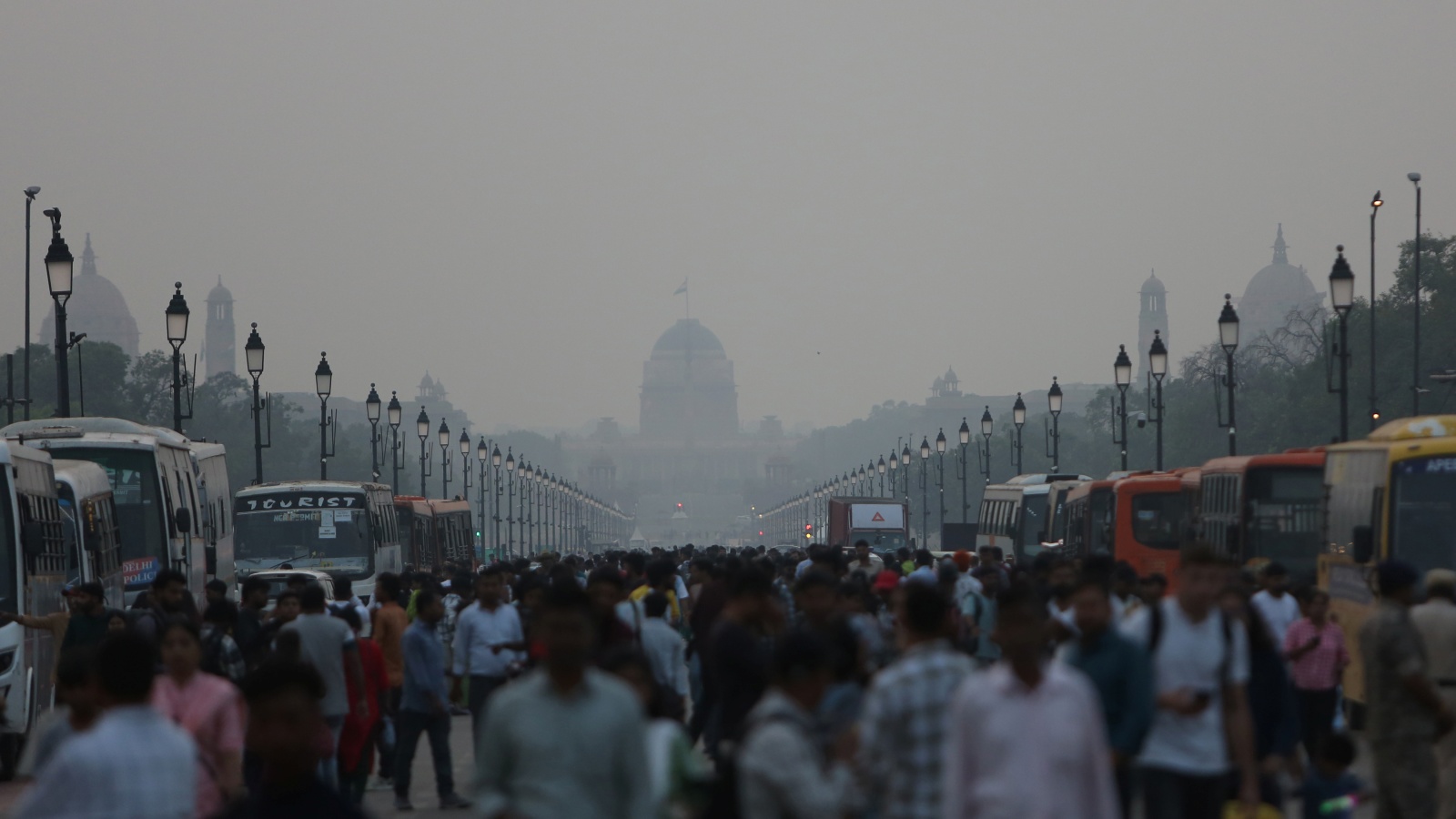
Delhi's pollution debate also needs a wider view. Research on the Capital's air identifies transport, industry, power, construction, road dust, waste burning and seasonal agricultural fires. A burning field is easy to film. The emissions from a transport network or construction site are less neatly captured in one image. Responsibility should follow the evidence across these sources.
The approach of the 2027 Punjab Assembly election adds political pressure. Enforcement imposes immediate costs on cultivators, while the gains from cleaner air are shared across a much larger population. That does not justify weaker enforcement. It makes affordable compliance all the more necessary.
A farmer who receives value from stubble needs less policing than one who loses money removing it. Punjab needs buyers who can commit before the harvest, local collection and storage, transport support, and a price whose benefit reaches the farmer. Biomass plants, compressed biogas facilities and industrial boilers can use residue where the technology and logistics work. The question for policy is whether these users can buy at scale, on time and at a price farmers can count on.
you may like
Crop diversification belongs to the same argument. Punjab is repeatedly asked to move away from paddy, yet assured procurement makes paddy a safer choice. Asking a small cultivator to shift to maize, pulses or oilseeds without an equally credible market shifts the ecological burden into an income risk. Diversification without marketing reform is advice, not policy.
There is a federal question, too. Punjab's agriculture has served a national food security system, while many ecological costs have remained local. Stubble management begins as a farm expense, becomes an administrative burden for Punjab and affects a wider northern Indian airshed. A system built partly for national purposes cannot ask cultivators or one State alone to bear the full cost of changing it. Punjab's declining fire counts show that change is possible. The next task is to make alternatives reliable enough to last without each autumn's cycle of penalties and subsidies.
Tiwana holds a PhD from TISS Mumbai and writes on spatial justice, development and community geographies