
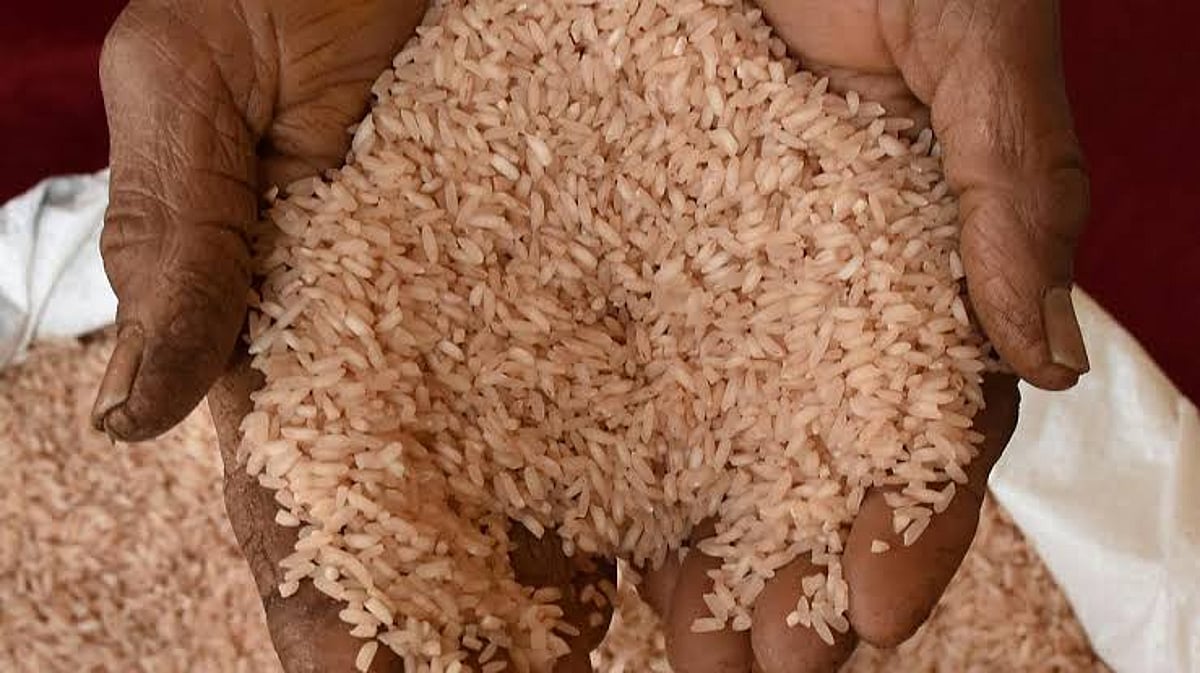
A Sambalpur University study detected DDT and Lindane residues in rice samples from seven Bargarh blocks. “The findings assume significance as the cancer-related risk quotient for DDT ranged from 0.5 to 3.2, exceeding the threshold value of 1,” Professor Malaya Ranjan Mahananda said on Saturday. Researchers flagged potential long-term health risks.
BARGARH: A Sambalpur University study has detected residues of two pesticides, DDT and Lindane, in rice samples collected from seven blocks of Bargarh district, raising concerns over possible dietary exposure to carcinogenic chemicals.
“The findings assume significance as the cancer-related risk quotient for DDT ranged from 0.5 to 3.2, exceeding the threshold value of 1, in some samples,” Professor Malaya Ranjan Mahananda, head of the university’s Environmental Science department and leader of the research, said on Saturday. The findings are part of an ongoing research by the department to investigate possible factors behind cancer prevalence in the region.
Researchers have flagged potential health risks associated with prolonged consumption of contaminated rice, particularly in view of DDT’s persistence in the environment. The research team clarified its findings do not establish pesticide exposure as the direct cause of cancer among patients.
Rice samples were collected from seven blocks of Bargarh district-Bheden, Barpali, Bargarh, Attabira, Bijepur, Bhatli and Sohela-and analysed at the Odisha State Pollution Control Board laboratory.
Around 10,000 cancer patients were treated at Veer Surendra Sai Institute of Medical Sciences and Research (VIMSAR), Burla, between 2021 and 2024, a majority of whom were from Bargarh district, researchers said. Collection of blood samples from cancer patients is also underway to further examine possible links, the researchers added.
Breast cancer was prominent, while stomach cancer was commonly detected among men treated at VIMSAR, the researchers observed. According to the Indian Council of Medical Research’s National Cancer Registry Programme, the number of cancer patients in Odisha increased from 43,210 in 2013 to 52,960 in 2022. Cancer-related deaths also rose from 23,886 to 29,287 during the same period.
Health experts have called for a population-based cancer registry covering all districts to establish the actual incidence and geographical distribution of the disease. At present, Odisha maintains population-based cancer registries only for Khurda and Mayurbhanj. The first registry report for Khurda, released in February 2025, indicated that one in 12 people in the district faced a lifetime risk of developing cancer.
The Fighters Group, a cancer patients’ forum in Bargarh, has claimed that more than 22,000 new cases emerged across seven western Odisha districts, including Bargarh, Sambalpur and Sundargarh, between 2021 and 2023. Chairperson of the group, Aswini Darjee, also raised apprehensions over the situation in Bargarh town, which reportedly recorded more than 40 cancer-related deaths in the last three years.
Incidentally, the state government announced the Odisha Balabhadra Jaivik Chasa Mission last year to promote organic farming, citing issues over the possible health impact of chemical-intensive agriculture in the Hirakud dam command area.
During the announcement, Law minister Prithiviraj Harichandan said in the assembly, “The situation in areas under undivided Sambalpur and Balangir is a matter of serious concern. Chemical fertilisers and pesticides are causing genetic mutations, leading to a wider spread of cancer.”
With an initial allocation of `1.5 crore, the initiative aimed to encourage farmers to adopt organic practices without compromising agricultural productivity. There are calls, however, for the initiative to show visible progress on the ground.
Experts have called for a scientific assessment of the possible relationship between pesticide use and cancer prevalence in the region. Oncologists have pointed to the intensive use of pesticides associated with double-cropping patterns in the western Odisha paddy belt, while stressing the need for comprehensive epidemiological studies to establish any correlation.
Mahananda said, “The study is still underway and a clearer picture is expected in the coming days.” Dr Biswaranjan Routray of VIMSAR and other faculty members of the university are assisting the research.