
Eight animals change their coat colours to adapt to the changing seasons. The Arctic fox, snowshoe hare, and stoat are among those that shed fur to match their surroundings. These creatures use these natural transformations to hide from predators or blend into the landscape as the weather gets cold.
Arctic Fox: During freezing Arctic winters, this resilient canine sports a thick, pure white coat that blends seamlessly into snowdrifts. When summer arrives and ice melts, it sheds into a shorter brown or charcoal coat matching tundra rocks and vegetation. (Image: Pexels/Caleb Falkenhagen)
Snowshoe Hare: Named for its oversized, furry hind feet, this northern hare wears a dense snow-white coat throughout winter to evade predators. As spring thaws the landscape, shortened daylight triggers a molt into a mottled, rusty-brown coat mirroring forest undergrowth. (Image: Pexels/Robert So)
Stoat (Ermine): In warmer months, this agile member of the weasel family features a rich chestnut-brown back and creamy white underbelly. Come winter, northern populations transform entirely into dazzling white fur -- retaining only a distinctive jet-black tail tip -- known historically as ermine. (Image: Pexels/Georg Wietschorke)
Rock Ptarmigan: This hardy Arctic gamebird undergoes three distinct plumage changes annually to match shifting alpine landscapes. During summer, mottled brown and grey feathers camouflage it among rocky lichen, before turning completely white -- save for black tail feathers -- for winter snows. (Image: Pexels/Þorsteinn Friðriksson)
Siberian Hamster (Djungarian Hamster): Native to the frigid steppes of Siberia and Kazakhstan, this tiny rodent sports grey-brown fur with a dark dorsal stripe in summer. When winter days shorten, reduced daylight triggers hormonal changes that turn its coat almost completely white. (Image: Pexels/Sharon Snider)
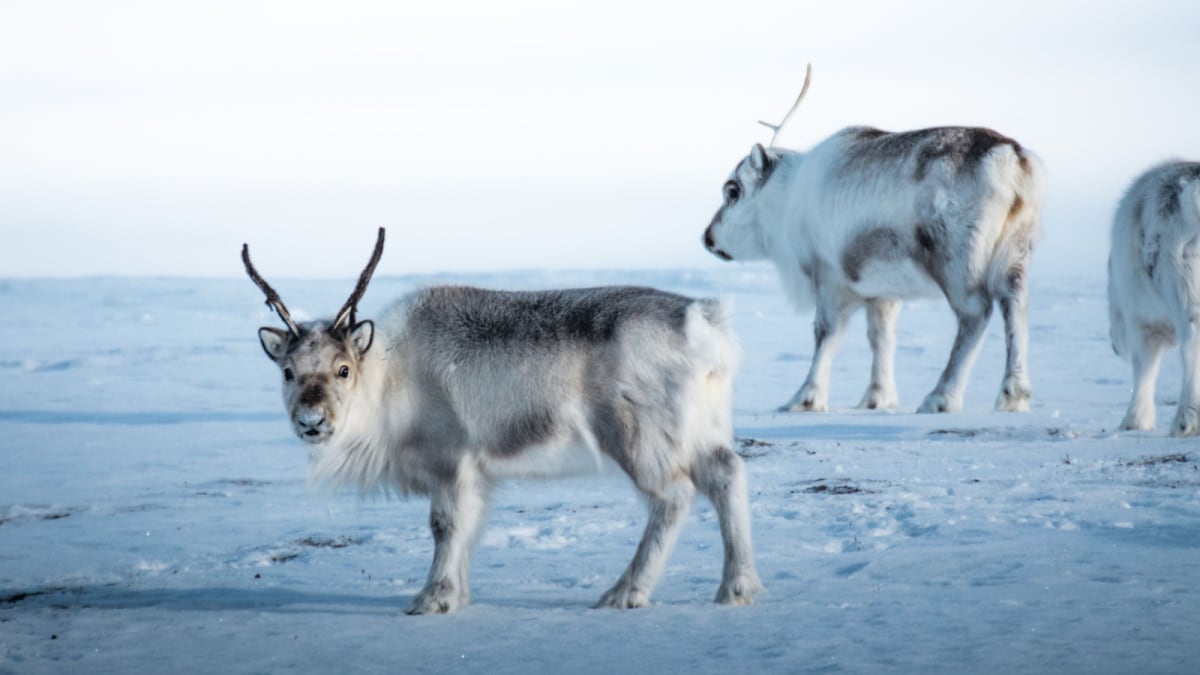
Peary Caribou: Living in the extreme High Arctic islands of Canada, this small caribou subspecies adapts to brutal seasonal shifts. Its slate-grey summer coat with white underparts transforms into a thick, creamy-white winter coat for camouflage and superior thermal insulation. (Image: Pexels/Tomáš Malík)
Collared Lemming: Unique among rodents, the Arctic collared lemming trades its grizzled grey-brown summer fur for a thick white winter coat. Alongside this dramatic colour change, it even grows enlarged, shovel-like claws on its front feet to dig through packed snow. (Image: Pexels/Павел Гавриков)
Willow Ptarmigan: Found across subarctic tundra and boreal forests, this ground-dwelling bird shifts from reddish-brown summer feathers to snowy white winter plumage. Males even retain bright red combs above their eyes while blending effortlessly into deep winter drifts to escape foxes. (Image: Pexels/Stephen Leonardi)