
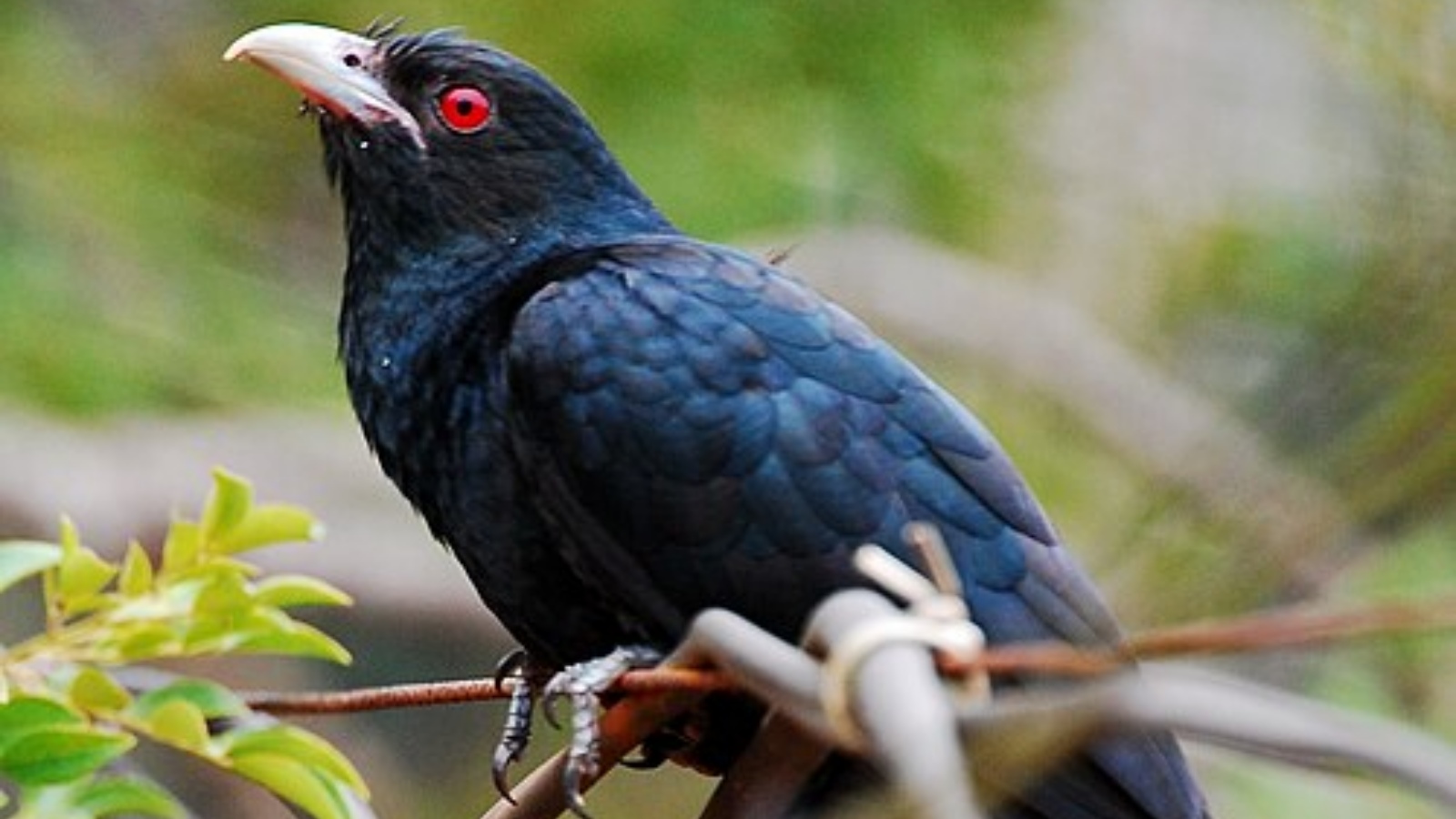
Five Indian birds have names that imitate the sounds they make. The Asian Koel, Common Cuckoo, Hoopoe, House Crow, and Grey Francolin got their names from their unique calls. This naming practice is called onomatopoeia. Many people hear these birds in gardens and fields, where they show off their vocal skills.
Have you ever wondered why a koel is called a koel or how the hoopoe got its unusual name?
Birds communicate through a fascinating range of sounds, from melodious whistles and rhythmic notes to loud, repetitive calls. Interestingly, some have names that imitate the very sounds they make. This naming practice is called onomatopoeia, where a word imitates a natural sound.
In India, several familiar birds have names rooted in their vocalisations. Here are five examples worth knowing.
1. Asian Koel
One of India's most recognisable birds, the Asian Koel is known for its distinctive, repetitive call. The male produces a familiar rising 'koo-oo, koo-oo' sound, particularly during the breeding season. Its name is believed to imitate its vocalisation. Interestingly, the female has a very different call, often described as a series of bubbling notes. The Asian koel is also a brood parasite, meaning it lays its eggs in other birds' nests, particularly crows'.
2. Common Cuckoo
The Common Cuckoo gets its name from its unmistakable two-note call, which sounds like 'cuck-oo, cuck-oo'. This familiar sound has inspired its name in several languages. Unlike many resident birds in India, the common cuckoo is migratory and is particularly associated with Europe and parts of Asia. Its call is also one of the best-known examples of onomatopoeia in bird naming.
3. Hoopoe
With its orange crest, long curved bill and black-and-white striped wings, the Hoopoe is easy to recognise. However, its call is equally distinctive. It produces a repetitive 'hoo-poo-poo' or 'up-up-up' sound, which is reflected in its name. Its scientific name, Upupa epops, also draws inspiration from this characteristic vocalisation. The bird is known for probing the ground with its long bill to find insects and other small invertebrates.
4. House Crow
A familiar sight across Indian cities, the House Crow is known for its loud, repetitive 'caw-caw' call. In Hindi, it is called kauwa, a name that echoes its characteristic 'kaww-kaww' vocalisation. These highly adaptable birds are often spotted around homes, markets, parks and public spaces. They are also opportunistic feeders, consuming everything from insects and fruits to food scraps.
5. Grey Francolin
The Grey Francolin is another bird whose familiar Indian name comes from its call. Commonly known as teetar, it produces a loud, repetitive vocalisation that sounds like 'ka-tee-tar, tee-tar'. Usually found in grasslands, scrublands and agricultural fields, these ground-dwelling birds are often heard before they are spotted. They are generally seen in pairs or small groups, foraging for seeds, insects and other food on the ground.
Explore more captivating stories about pets and animals here, and make us your daily stop for the latest from the animal kingdom.