
ഇന്ത്യയുടെ നാവിഗേഷൻ സംവിധാനം ശക്തിപ്പെടുത്തുന്നതിനായി ഐഎസ്ആർഒ എൻവിഎസ്-03 ഉപഗ്രഹം ഒക്ടോബർ 30-ന് രാത്രി 11:51-ന് വിക്ഷേപിക്കുന്നു. ജിഎസ്എൽവി-എഫ്18 റോക്കറ്റ് ഉപയോഗിച്ചാണ് വിക്ഷേപണം. ട്രെയിനുകൾ, വാഹനങ്ങൾ, കപ്പലുകൾ എന്നിവയുടെ കൃത്യമായ ട്രാക്കിംഗിനും സ്ഥാനനിർണ്ണയത്തിനും ഈ അത്യാധുനിക ഉപഗ്രഹം വലിയ സഹായമാകും.
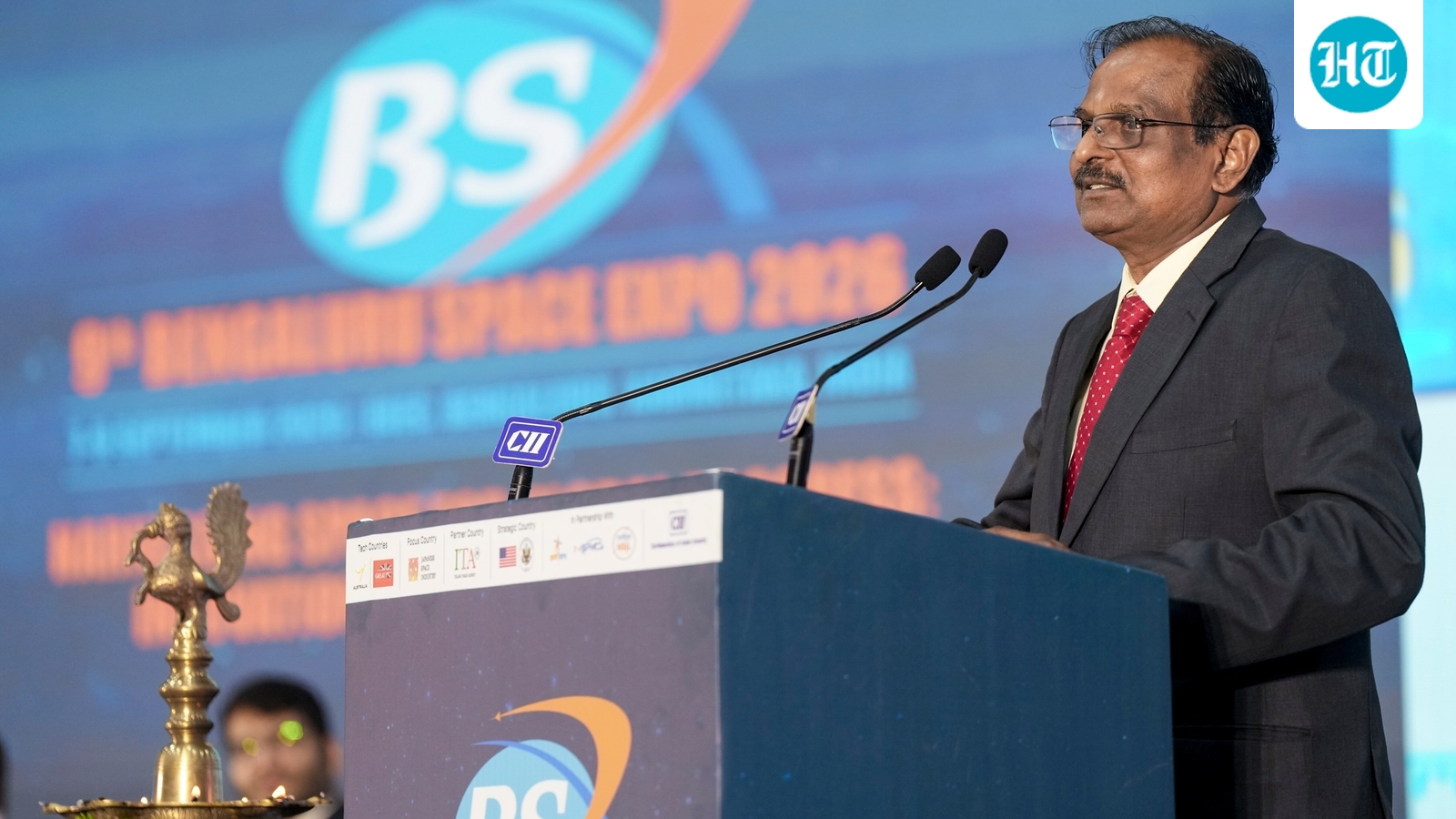
The Indian Space Research Organisation (ISRO) will launch the NVS-03 navigation satellite on October 30, chairman Dr V Narayanan said during his visit to the Sri Venkateswara Swamy Temple in Tirumala. He also highlighted the satellite's role in strengthening India's navigation services.
The satellite will be launched using the GSLV-F18 launch vehicle at 11:51 PM. The mission is expected to strengthen India's navigation system and help provide precise positioning.
Explaining the upcoming mission, Narayanan said, "On October 30th at 11:51 PM, under the guidance of the Prime Minister of India, we are going to launch NVS-03, a navigation satellite, using our GSLV-F18 launch vehicle. This is the fifth mission we have accomplished this year, including a private launch."
The satellite is part of the next-generation navigation system planned to ensure continuity of services provided by the Indian Regional Navigation Satellite System (IRNSS).
NVS-03 is the third satellite in the next-generation navigation satellite system. It is designed to maintain navigation services while expanding the capabilities of the existing system.
According to the mission details, the satellite will carry an indigenous atomic clock alongside procured atomic clocks. It will also introduce the L1 signal in addition to the existing L5 and S signals.
The navigation system will cover India's landmass and an area extending 1,500 km beyond the country's geopolitical boundary. Its services are intended to support several applications, including real-time train tracking, vehicle monitoring and navigation for boats and ships.
"With this launch, we will have four operational navigation satellites in orbit -- including one equipped with an indigenous atomic clock -- providing precise position, navigation, and timing services for India. These services serve multiple purposes, including strategic applications, supporting the Airports Authority of India, real-time train tracking, vehicle monitoring, and vessel navigation for boats and ships...," Narayan added.
The NVS-03 mission will mark the 20th flight of India's Geosynchronous Satellite Launch Vehicle (GSLV).
The GSLV-F18 vehicle will place the satellite into a Geosynchronous Transfer Orbit. The launch is planned from the Second Launch Pad at the Satish Dhawan Space Centre, SHAR.
Highlighting the progress in navigation technology, Narayanan also recalled how people relied on the stars and the moon to find their way decades ago.
"fifty years back, whenever fisherman used to go for fishing, they used to see the stars and moon. And today, technology has grown to greater level, and India has grown to greater level, and we are going to have our navigation service for the common man of our country."