
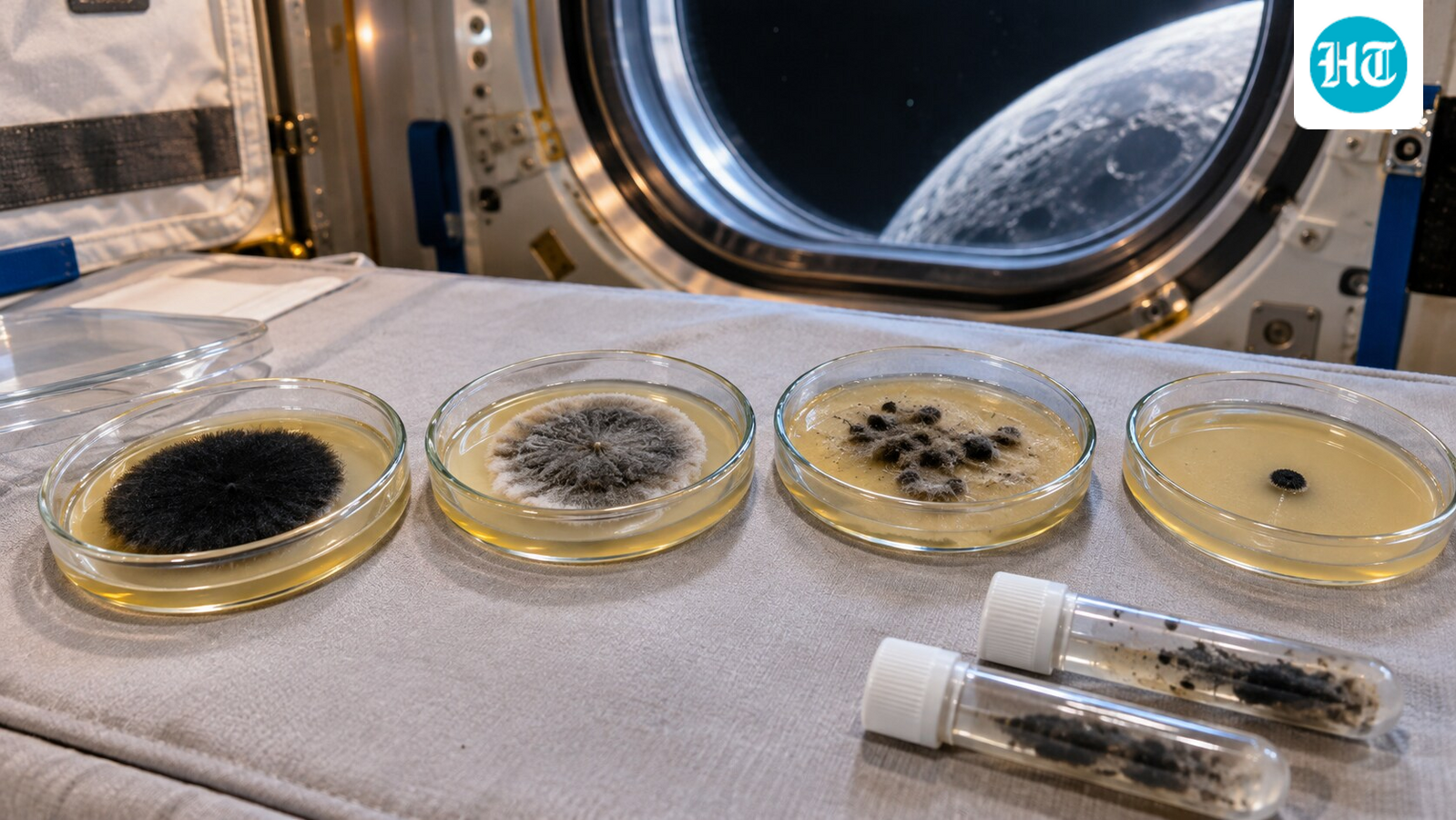
ആർട്ടെമിസ്-1 ദൗത്യത്തിലൂടെ ചന്ദ്രനിലേക്ക് അയച്ച 20 ഫംഗസ് സാമ്പിളുകളും ബഹിരാകാശത്ത് വളർച്ച രേഖപ്പെടുത്തിയതായി നാസയുടെ റിപ്പോർട്ട്. റേഡിയേഷനെ അതിജീവിക്കാനുള്ള ഫംഗസുകളുടെ കഴിവ് പഠിക്കുകയായിരുന്നു ലക്ഷ്യം. മനുഷ്യന്റെ ബഹിരാകാശ യാത്രകളിൽ റേഡിയേഷൻ മൂലമുണ്ടാകുന്ന ഡിഎൻഎ തകരാറുകൾ പരിഹരിക്കാൻ ഈ കണ്ടെത്തലുകൾ ഭാവിയിൽ വലിയ സഹായമാകുമെന്ന് ശാസ്ത്രജ്ഞർ കരുതുന്നു.
Some tiny passengers became astronauts. They rode around the Moon on Artemis I, and they came back having grown. According to a NASA Task Book report, all 20 fungus samples on the flight showed growth when they were examined after returning to Earth. The samples included a black mold, Aspergillus niger, and three mutant lab-made versions of it. The experiment was built by scientists at the U.S. Naval Research Laboratory (NRL). They wanted to know how fungi would cope in deep space.
Space is a harsh environment for living things. Beyond the magnetic shield of Earth, radiation is a greater concern. It can end up damaging DNA, the instruction code in our cells. The U.S. Naval Research Laboratory, citing NASA, explained that Moon missions expose astronauts to approximately twice as much radiation exposure as levels on the International Space Station. Fungi were a smart test subject because they have natural ways to protect and repair DNA damage from radiation. This mold is also found in human environments, including spacecraft.
The team took one regular, or wild-type, strain of Aspergillus niger. They also flew three mutants. Two of them, kusA and uvsC, are defective in DNA repair. The third, called fwnA, is unable to make melanin, the dark pigment that helps color human skin. Scientists also want to see if it helps fungi withstand the stress of space.
The launch date was postponed a couple of times due to technical problems, so new samples were prepared for the November launch. The duration of the flight was reduced from 40 days to 25 days. So, the growth medium in each test tube was reduced from 40 milliliters to 25 milliliters. This allowed the fungus to reach the top of the growth medium faster. Five samples of each strain were prepared, which totaled 20 samples.
Artemis I launched November 16, 2022, and returned to Earth on December 11. It was a shakedown flight, so no astronauts were aboard. The team received the samples on December 20. All 20 samples developed thread-like fungal bodies called mycelia through their tubes, and spores developed on the top of each, the NASA report noted. The team didn't see any contamination. They also microscopically examined about 100 spores from each sample. They germinated in every sample, 99 percent to 100 percent of them.
The same report says the team rated the experiment as "Excellent" against its own success criteria, which included things like culture viability, contamination and biomass. The average biomass growth of both the DNA repair mutants was higher than the wild type and the melanin mutant. The dry weight of the grown tissue is called biomass, and the average for the four strains was between 10 and 95 milligrams.
Growth is a good sign, but it's not the whole story. As of its last update in May 2023, the report did not mention why the DNA repair mutants grew more or if melanin protected the fungus. The team planned to study DNA, RNA, proteins, and other molecules from both sets in a ground control experiment at Kennedy Space Center that replicated the timing and temperatures of the flight.
NRL lead scientist Zheng Wang said he hopes to learn new ways to protect astronauts and equipment. He also said the fungi might make new molecules as they adapt, some of which could have medical uses. If it helps in space, melanin could be used as a protective material in future NASA work, the NASA report says. However, for now, those are just hopes, not results.