
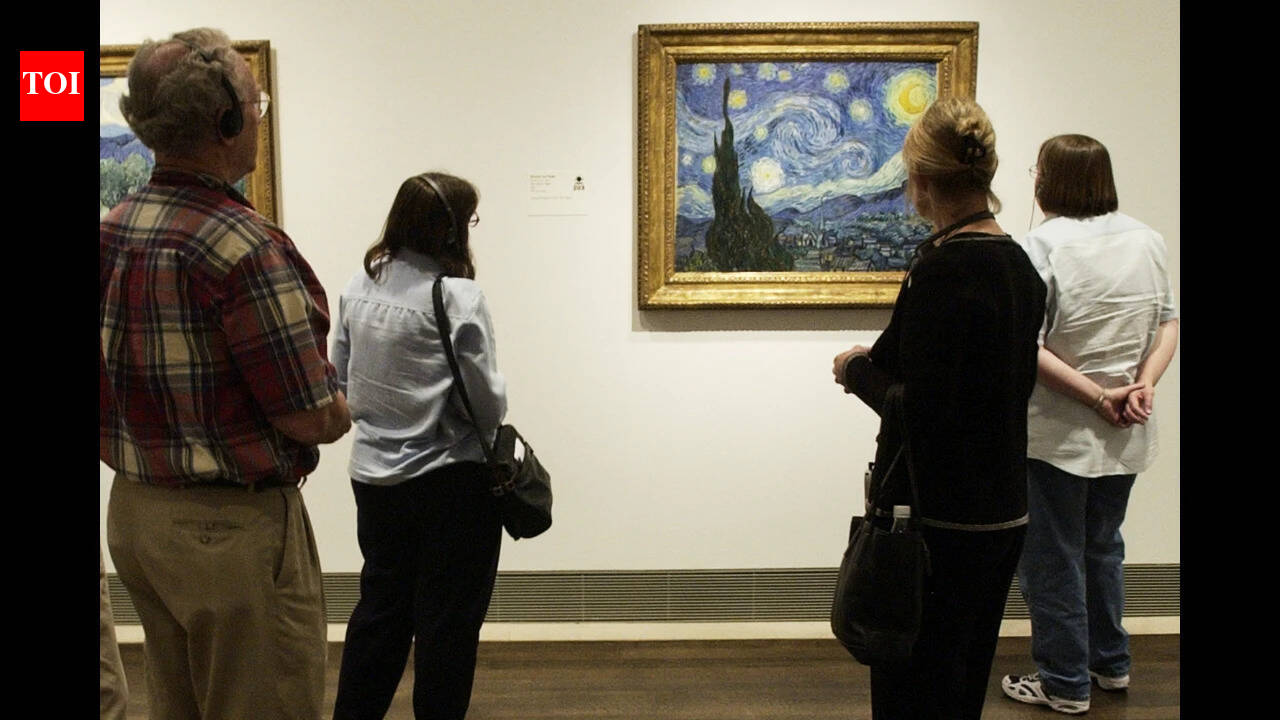
വിൻസെന്റ് വാൻഗോഗിന്റെ വിഖ്യാത ചിത്രമായ 'സ്റ്റാറി നൈറ്റ്' 1889 ജൂലൈ 22-ലെ യഥാർത്ഥ ആകാശദൃശ്യമാണെന്ന് ദക്ഷിണ കൊറിയൻ ഗവേഷകർ. ജൂണിലാണ് ചിത്രം വരച്ചതെന്ന മുൻധാരണയെ ഈ പഠനം തിരുത്തുന്നു. ഫ്രാൻസിലെ അഭയകേന്ദ്രത്തിൽ നിന്ന് കണ്ട ആകാശമാണ് ചിത്രത്തിന് ആധാരമെന്ന് സയന്റിഫിക് റിപ്പോർട്ട്സ് ജേണലിലെ പഠനം വ്യക്തമാക്കുന്നു.
Scientists investigating the artistic mysteries behind Vincent van Gogh's iconic painting The Starry Night have identified a celestial scene that could offer a new clue to when the masterpiece was created.
According to a South Korean research team, the painting may have been inspired by the actual night sky visible from the French asylum where the Dutch artist was staying in 1889, rather than being entirely a product of his imagination.The team announced on Thursday that its astronomical analysis points to the early hours of July 22, 1889, as a possible date for the scene depicted in the painting. The findings were published in the journal Scientific Reports.According to the abc news, the proposed date is approximately a month later than the widely accepted timeline of June 1889, when van Gogh is believed to have painted the celebrated work featuring a crescent moon, Venus, swirling stars, a village and towering cypress trees.
Astronomical clues challenge the accepted timeline
Art historians have traditionally dated 'The Starry Night to June 1889', shortly after van Gogh entered an asylum in saint-rémy-de-provence, France.
Several months earlier, the artist had cut off his left ear following an argument with fellow painter Paul Gauguin.
The new study was led by Elijah Jeong-hyun Kim, chief executive of a Seoul-based telescope manufacturer and a doctoral candidate at Kyung Hee University.Kim and his colleagues argue that the celestial arrangement most closely resembling the painting appeared around July 22, 1889, although the surrounding days could also have provided inspiration."No two skies are the same. Something always changes. I believe Vincent noticed those changes and put them into the painting," Kim said in an email.He added that he considered July 22 the more convincing date, expressing strong confidence in the team's findings.The research addresses a long-standing astronomical inconsistency in the conventional dating of the artwork. In mid-June 1889, the Moon's appearance did not match the slender crescent depicted in the painting.Jose Luis Aragon, a physicist at the National Autonomous University of Mexico who has independently studied The Starry Night, said this discrepancy presented a genuine puzzle. However, he cautioned that the proposed July date should be treated as a promising theory rather than a definitive conclusion.
Moon, Venus and stars offer fresh clues
Kim's fascination with van Gogh's work led him to visit France in 2019, including trips during mid-June and around July 22. During his visits, he observed that the predawn sky in July featured bright stars that were not as prominent during his June visit.
Further astronomical analysis suggested that around July 22, 1889, the Moon's shape before sunrise resembled the crescent in the painting. The Hyades star cluster in the constellation Taurus was also rising in the east alongside Venus.The researchers examined historical weather conditions and concluded that the sky would likely have been clear enough for van Gogh to observe the celestial features.The team also investigated the timing of a seizure believed to have affected the artist around that period. By analysing correspondence between van Gogh and one of his brothers, the researchers argued that the episode occurred later in July than previously thought.References to cicadas in some of the letters provided another potential clue, as their presence was consistent with the warmer conditions of July, Kim said.To assess the reliability of their approach, the researchers tested their methods against astronomical scenes depicted in other van Gogh paintings.Aragon described the work as a careful study combining multiple disciplines, including astronomy, physics and art history.
Painting may combine observation and imagination
Despite supporting the possibility of a real celestial reference, researchers cautioned against interpreting the findings as proof that every detail in The Starry Night reproduces a single night sky.
Van Gogh worked in a studio at the asylum, drawing on sketches and memory. As Aragon noted, the painted sky could therefore combine observations from several different nights."The sky is likely a composite of many nights as the authors themselves acknowledge," he said.For Aragon, the study's broader significance lies in showing how closely the artist may have observed the natural world."What I find most convincing is the broader message: The painting is not pure fantasy. Van Gogh watched the real sky very closely," he added.Although Kim has spent years investigating the painting, he has yet to see the original The Starry Night, which is housed at the Museum of Modern Art in New York.With the research now published, the scientist said he would have to visit the museum to experience the masterpiece in person.The findings offer a fresh perspective on one of the world's most recognisable paintings, although the proposed July 22 date remains a hypothesis awaiting further examination.