
The BJP is focusing on adding missing voters to the rolls in Uttar Pradesh after a meeting in Lucknow on Friday. CM Adityanath called this the last chance to fix the lists. A leader said, “Even if we succeed in adding back 40 lakh to 80 lakh voters, that should suffice.”
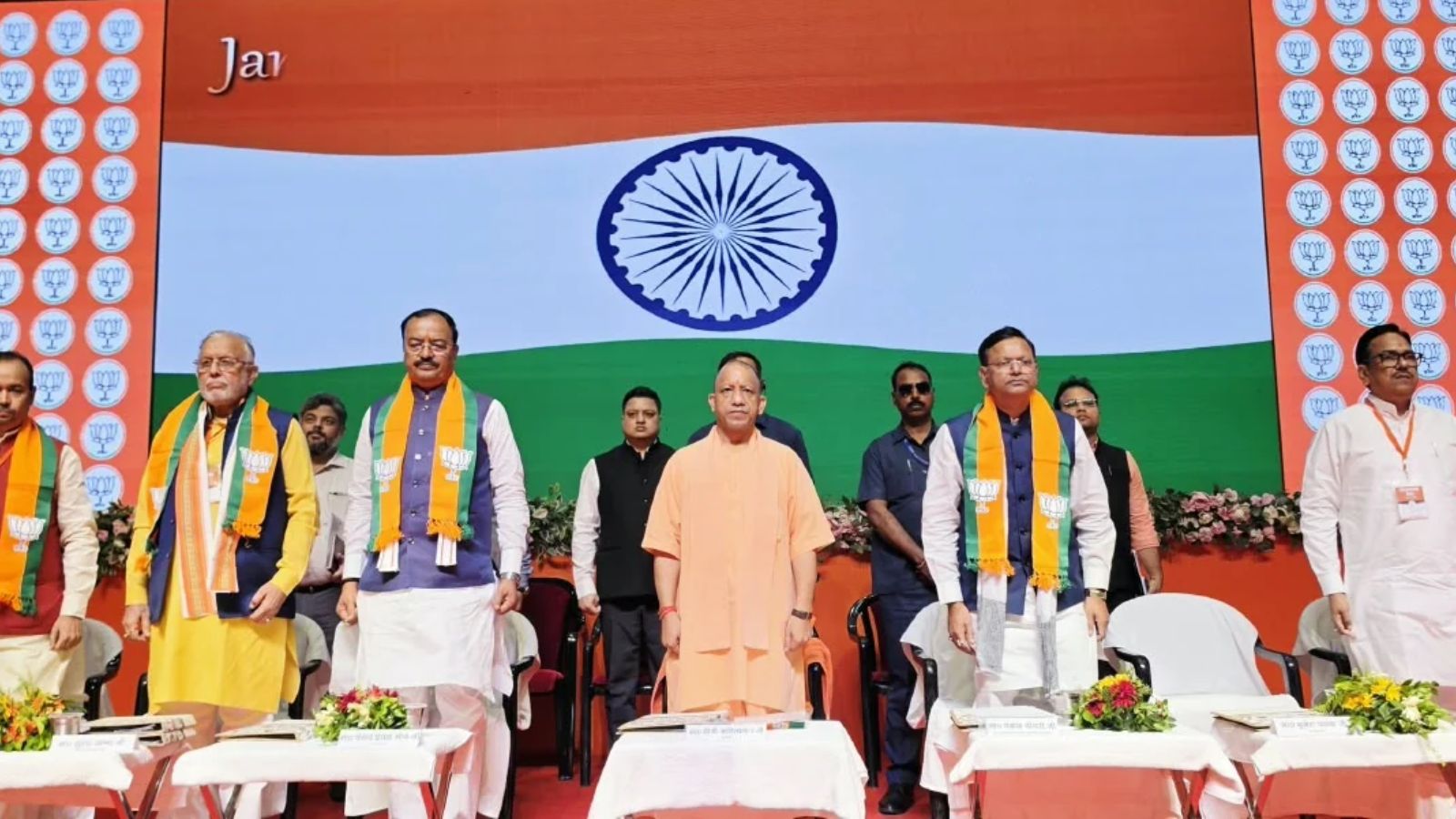
The target was conveyed to BJP district presidents and in-charges at a meeting held in Lucknow on Friday. CM Adityanath, Deputy CM Keshav Prasad Maurya, and state BJP president Pankaj Chaudhary addressed the meeting. Sources said the party had decided not to “undertake any other programme” over the next month and instead completely focus on updating the voter list. “Even if we succeed in adding back 40 lakh to 80 lakh voters, that should suffice,” said a leader.
Leaders privy to the discussions said Adityanath had labelled the next month “antim mauka (last chance)” to bring back these eligible voters and emphasised that opportunity should not be missed. While the draft rolls after this special summary revision are scheduled to be released on November 17, the claims and objections period will run till December 16. The electoral rolls are scheduled to be published on January 4, 2027.
The CM also directed the party leaders to compare the Assembly voter lists with the electoral rolls for panchayat elections and the list of government welfare scheme beneficiaries to figure out who had been left out of the Assembly election rolls. While the Election Commission (EC) prepares the rolls for the Assembly polls, the State Election Commission prepares the rolls for the panchayat elections.
For the BJP leadership, the concern is that the party won several seats in the 2022 Assembly polls by 1,500 to 3,000 votes and if the rolls shrink by even 5,000 to 10,000 voters, it could bring these constituencies into play, sources said.
Sources said Maurya told those at the meeting that the difference between the BJP and the Samajwadi Party (SP) was 1.55 crore votes in 2017 and this shrank to 85 lakh in 2022. This makes the number flagged by the CM a matter of concern, sources said.
“If we consider the data of 1.27 crore names, their average deletion is 31,513 votes per Assembly constituency, which is a significant number. So the party has set a goal to reach out to the eligible voters left out and bring back to the rolls an average of 10,000 to 25,000 names,” said a senior BJP leader.
What the BJP plans to do
Sources said the BJP had decided to focus on the voters who have shifted to another constituency in the state or have migrated to another state. There will also be an emphasis on including more women and youth in the rolls, they added.
“During SIR, a sizable number of urban voters opted to shift to their rural addresses. This created a problem for the party in urban regions, which have been its traditional zone of strength. We will speak to such voters and help them fill forms to shift back to the urban seats. Similarly, people who migrated to other states and got enrolled as voters there will be requested to shift their votes back to UP,” said a BJP office-bearer.
“The gender ratio in the existing roll is 834 and the party’s assessment is that lots of women were left out or their names were deleted for various reasons during SIR. If they are eligible, the party will help them get enrolled,” he said.
“The party will not pay much attention to the Muslim-dominated seats it never wins. We will deploy our workers in the constituencies where Hindu voters were deleted in large numbers during SIR and which we can win if their names are restored,” said the leader.
“The BJP will hold district and Assembly-level meetings by November 19 to discuss the strategy with ground-level workers. From November 20, our leaders and booth-level agents will fan out across booths,” said a leader who attended the meeting with the CM.
At the Aaj Tak Panchayat news programme, which aired on November 8, Adityanath said the BJP had submitted a memorandum to the EC on the deletion of 1.27 crore Hindu voters whose names were there on the panchayat rolls but went missing from the list the polling panel had prepared during SIR. “How have these names gone missing? Who was behind this? There are 66 lakh such voters; 55 lakh are those Hindus voters who are getting benefits of the government’s welfare schemes, but their names are missing from electoral rolls; and 4.5 lakh voters from the 18-19 age group are missing from the electoral rolls,” the UP CM had said.
In the SSR, the existing electoral rolls are updated with newly eligible electors, and those who have either passed away or moved away are deleted. It is conducted before each Lok Sabha and Assembly election and also annually, with January 1 as the qualifying date. This means that all those who turn 18 as of January 1 are eligible to be enrolled in the electoral roll of the SSR. Last month, the EC announced the SSR schedule with the qualifying date of January 1, 2027, in the states and Union Territories where the SIR was completed in 2025 and 2026, and Assam, where it had decided not to conduct the SIR.
The SIR exercise in UP began on October 27, 2025, and concluded on April 10 this year. While the state had 15.44 crore electors before the SIR began, after SIR, the rolls shrank to 13.39 crore. Earlier this month, it emerged that the UP Chief Electoral Officer (CEO) has directed district election officers to match Assembly electoral rolls with those of panchayats and urban local bodies after a difference of nearly 2.4 crore voters emerged between the panchayat poll electoral rolls and the rural voter count.