
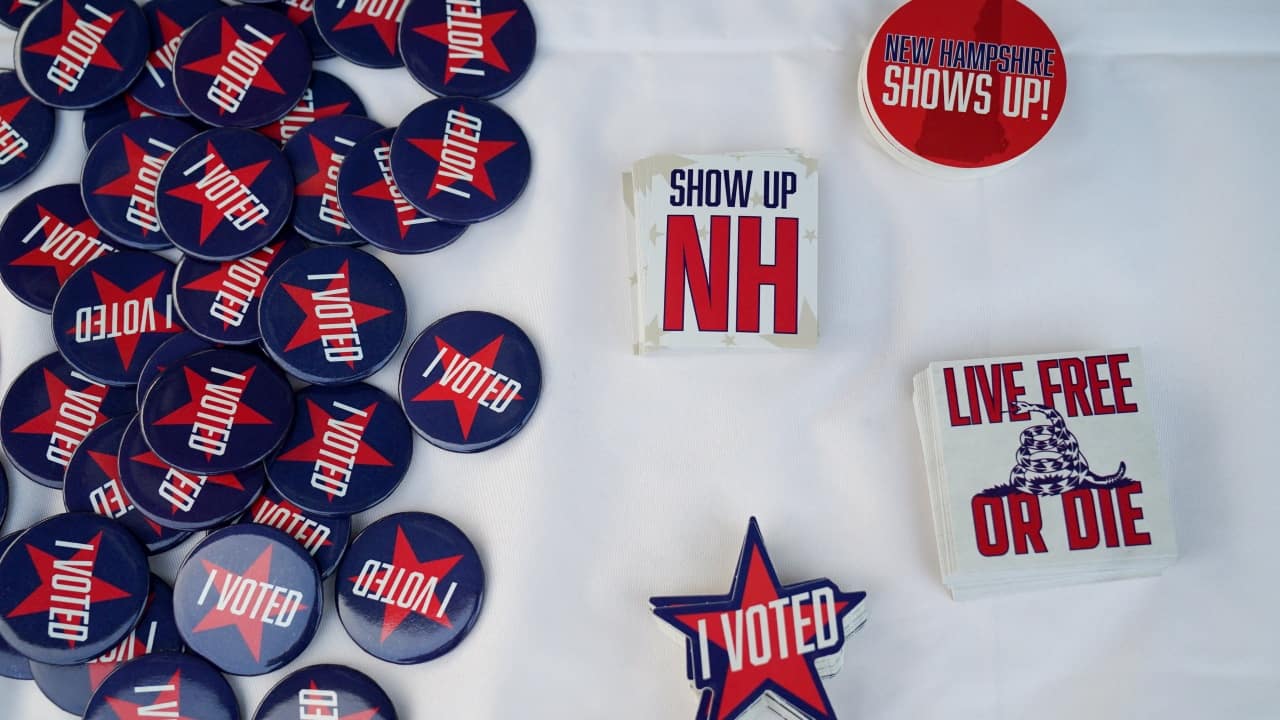
Americans head to polling stations on a Tuesday in November because of an 1845 law. Congress chose this day to help farmers who needed time to travel. Sunday was for church, and Wednesday was for market days. This schedule let rural voters cast ballots without missing their important work.
Every four years, and again during midterm elections, millions of Americans head to polling stations on a Tuesday in November. The choice of this particular day is not accidental. It dates back to 1845, when the US Congress passed a law establishing a uniform date for presidential elections. The decision reflected the realities of an America that was still largely agricultural, where travelling to polling stations could take an entire day. At the time, there was no nationwide election schedule. States conducted polls on different dates, sometimes spread across several weeks. As communication networks expanded, early results from one state could influence voting decisions elsewhere.
Congress sought to eliminate this uncertainty by establishing a common election day, eventually settling on the Tuesday after the first Monday in November. Why was Tuesday chosen for US elections? The choice of Tuesday was shaped by the religious practices, commercial routines and travel constraints of 19th-century Americans. Sunday was generally reserved for religious observance and rest, making it unsuitable for voting. Monday was also inconvenient because many rural voters lived far from polling stations and needed considerable time to travel to county seats. Wednesday, meanwhile, was traditionally market day in many agricultural communities.
Farmers travelled to towns to sell their produce and purchase supplies, making it a busy day for trade. Tuesday offered a practical alternative. Voters could travel on Monday, cast their ballots the following day and return home in time for Wednesday's market activities. The arrangement was particularly relevant in an era when horses and horse-drawn carriages were the primary means of transportation. Unlike today, reaching a polling station was not necessarily a short journey. Why November? The agricultural calendar explained The decision to hold elections in November was also linked to the country's agricultural economy.
Congress wanted to choose a period when farmers had completed the autumn harvest but winter weather had not yet made travel difficult. Late autumn offered a window between the demands of harvesting and the onset of severe winter conditions. This timing allowed a larger section of the rural population to participate without disrupting the agricultural calendar. The election date was therefore designed around the practical requirements of a predominantly farming society, rather than the work schedules of modern urban populations. Why is it the Tuesday after the first Monday? The law did not simply designate the first Tuesday of November.
Instead, it established the rule of holding elections on the Tuesday after the first Monday. This distinction was deliberate. It ensured that Election Day would never fall on November 1. November 1 is observed as All Saints' Day in the Roman Catholic calendar. It was also traditionally a day when merchants reviewed and settled their accounts for the preceding month. By avoiding the first day of November, lawmakers sought to prevent a clash with both religious observances and commercial activities. The rule remains in place more than 180 years after it was introduced. Under the system, federal elections are held on the first Tuesday after the first Monday in November.
Is there a push to change the US election day? The Tuesday voting arrangement was designed for a society with very different working and travel conditions. In modern America, however, holding elections on a regular weekday has prompted debate over voter accessibility. Critics argue that people working long shifts, those with multiple jobs and families with childcare responsibilities may find it difficult to visit polling stations during working hours. Several reform groups have therefore advocated moving Election Day to a weekend or declaring it a federal public holiday to make voting more accessible.
However, the traditional Tuesday schedule continues to be followed for federal elections. How early voting and mail-in ballots have changed the process Although Election Day remains fixed on a Tuesday, voting in the US is no longer limited to that single day. Most states offer some form of early voting, allowing eligible voters to cast ballots in person before the official election date. Mail-in and absentee voting options also allow people to participate without visiting a polling station on Election Day. These arrangements have reduced dependence on a single voting day and provided greater flexibility to voters.
Nevertheless, the November Tuesday tradition remains part of the American electoral system, reflecting a decision made in 1845 to accommodate the travel, religious and economic realities of a very different era.