
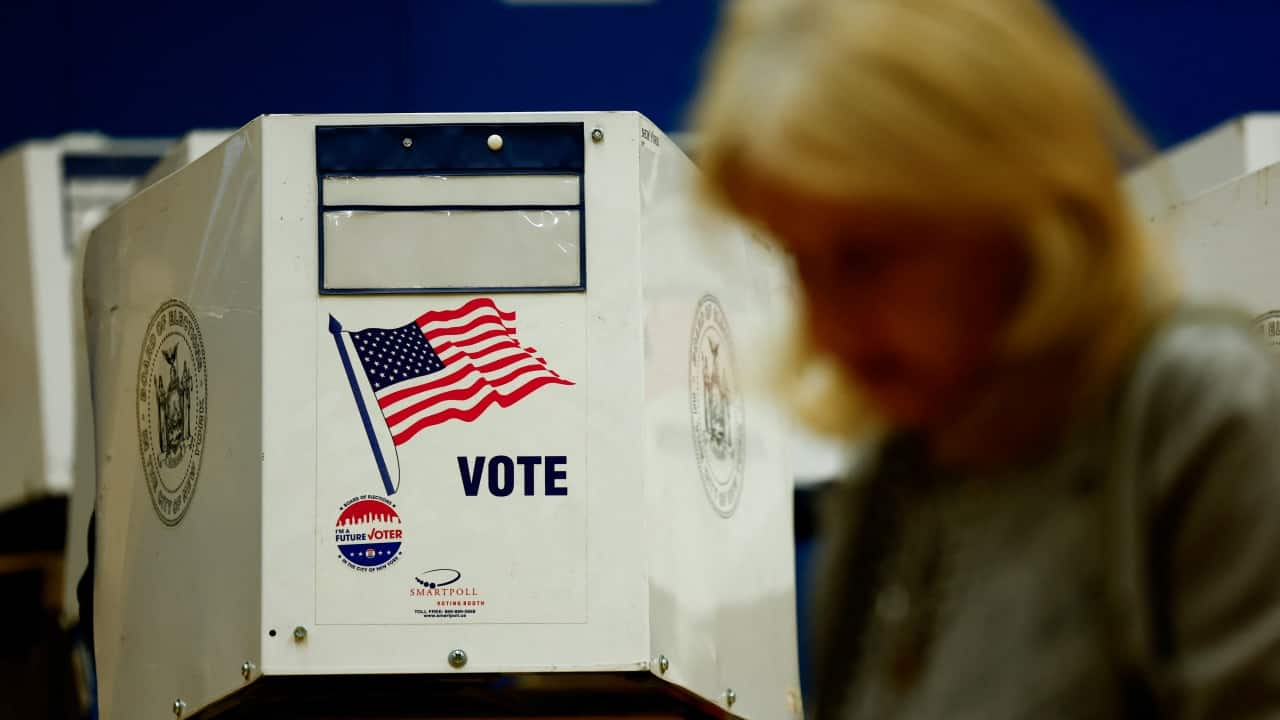
California voters rejected Proposition 40, a proposal for a one-time wealth tax on billionaires, on Monday. The measure got 47% support after the November 3 election. Dave Regan said billionaire-funded advertisements caused "a lot of confusion and a lot of second-guessing" among voters who knew the right thing to do.
California voters have rejected a proposal to impose a one-time wealth tax on billionaires, dealing a setback to progressive groups seeking higher taxes on the wealthiest Americans. The Associated Press determined the outcome on Monday, nearly a week after the November 3 election. Proposition 40 proposed a one-time tax of 5% on the personal assets of California residents with a net worth exceeding $1 billion. Most of the revenue generated was to be directed towards healthcare, making it the first measure of its kind in the United States. As of Monday night, the proposal had secured 47% support, with an estimated 83% of votes counted.
The defeat came despite California's predominantly Democratic electorate generally favouring higher taxes on wealthy individuals. However, the proposal exposed divisions within the party, with prominent Democratic leaders, labour unions and advocacy groups split over its potential economic consequences. Outgoing Governor Gavin Newsom opposed the measure, arguing that it could drive entrepreneurs and wealthy residents out of California. Xavier Becerra, the Democrat set to replace him, also opposed it. Supporters, meanwhile, included Senator Bernie Sanders and Representative Ro Khanna. Billionaire-funded campaign against tax The proposal faced a significant spending disadvantage, with wealthy business figures and organisations funding a campaign against it.
Google co-founder Sergey Brin emerged as one of the biggest contributors, giving more than $100 million to efforts to defeat the measure. His group had raised over $300 million this year, according to campaign finance records cited by The New York Times. In late October, opponents were outspending supporters by 250 to 1 on advertisements, according to ad-tracking firm AdImpact. The opposition campaign also received contributions from several billionaires and business groups. Supporters blamed the defeat on the financial imbalance between the two campaigns. Dave Regan, head of the Service Employees International Union-United Healthcare Workers West, which backed the initiative, said billionaire-funded advertisements had influenced voters.
"A lot of confusion and a lot of second-guessing among people who really in their hearts know what the right thing to do is," he said. The union argued that the tax revenue was needed to offset healthcare cuts under legislation signed by US President Donald Trump last year. It warned that millions could lose health insurance and hospitals could face closures without additional funding. However, critics argued that a one-time tax would not provide a sustainable source of revenue and could ultimately hurt California's finances by prompting wealthy residents to relocate. The measure also faced opposition from teachers, firefighters and Planned Parenthood Affiliates of California, among other groups.
Debate likely to continue ahead of 2028 The outcome could influence the wider debate over wealth taxation ahead of the 2028 US presidential election. Newsom has expressed support for a national wealth tax but opposed introducing one exclusively in California. Supporters have indicated that they intend to revive the proposal. Suzanne Jimenez, a sponsor of Proposition 40 and chief of staff at the union, said the campaign would continue. "The billionaires may have bought themselves a temporary victory at the ballot box, but they have not bought themselves an end to this debate, and this is only round one," she said.
The opposition had also backed two other ballot measures, Propositions 41 and 42, which sought to introduce restrictions on future asset taxes and changes to state spending rules.