
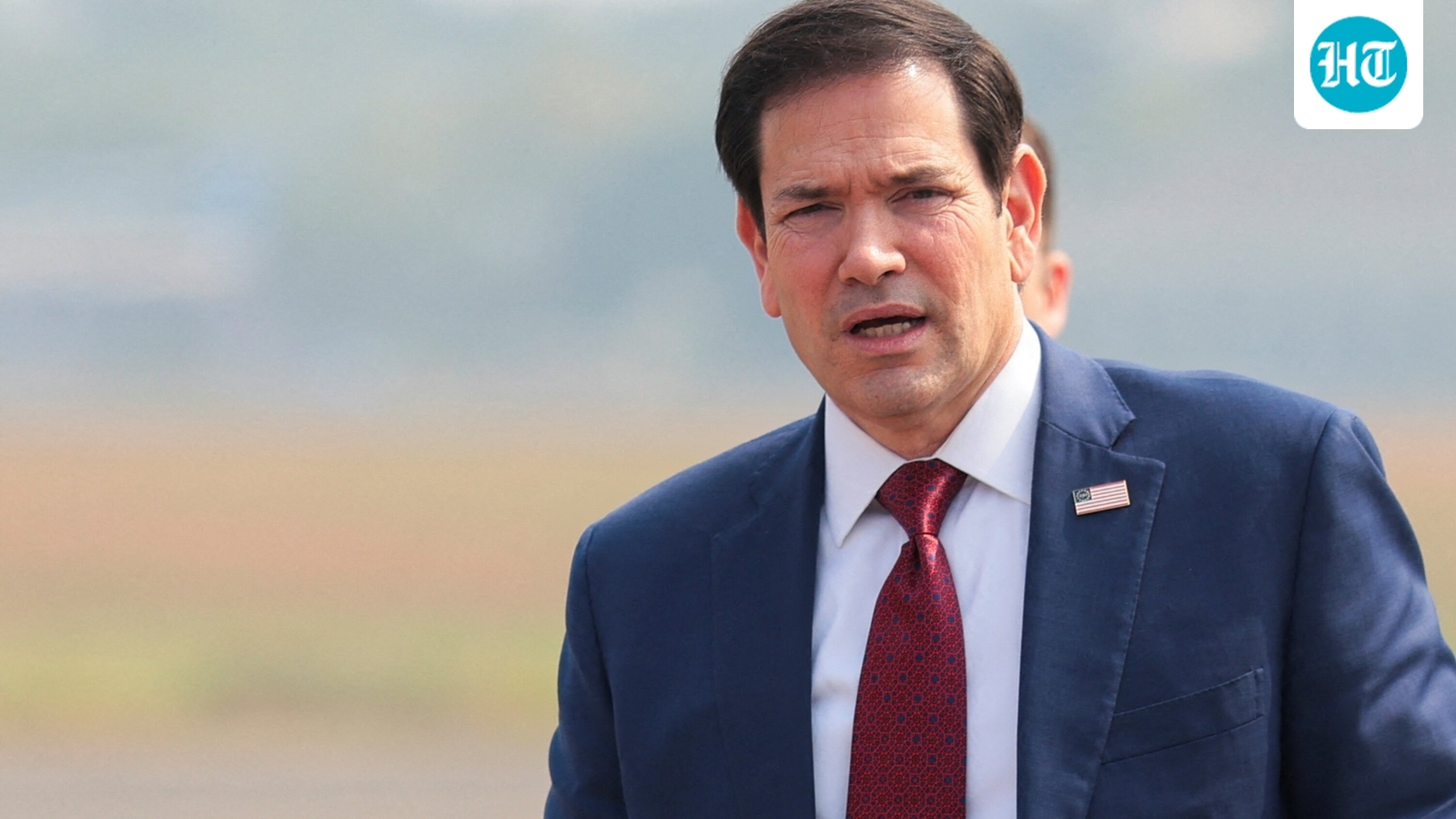
US Secretary of State Marco Rubio called India’s Cockroach Janta Party-led protests a domestic matter. He dismissed UN experts as an “oxymoron” after they criticised the police response to youth-led demonstrations in Delhi. Meanwhile, India’s Barkha Tamrakar slammed the UN for selective targeting and urged them to use established channels instead.
US secretary of state Marco Rubio described the Cockroach Janta Party-led protests against Chief Election Commissioner Gyanesh Kumar as India's "domestic matter", while calling UN experts an "oxymoron" over their criticism of the police response to the demonstrations.
Reacting to the remarks made by UN experts on the CJP protests and the police response, Rubio said, “Oh, UN experts, my favourite. The UN experts are the oxymoron.”
“It is a domestic political matter. I am not going to comment on it. This is a democracy, they have elections here. I am not going to opine on their domestic, political matters. We have protests every day in US,” said Rubio while talking to reporters.
UN experts had criticised the Indian police's “heavy-handed” response to youth-led demonstrations in Delhi. They urged the authorities to protect peaceful protests and ensure justice for alleged human rights violations during these and earlier demonstrations.
India slams UN for ‘selective targeting'
Speaking during a discussion on the agenda item concerning the Working Group on Enforced Disappearances, Barkha Tamrakar, deputy secretary in the ministry of external affairs, highlighted the constitutional and institutional safeguards in place in India to address allegations of human rights violations.
More than 20 UN human rights experts in Geneva had expressed alarm over what they called a "repeatedly heavy-handed police response" to youth-led protests in the national capital.
She said, “Human rights should not be used as an instrument of political pressure or selective country targeting. India engages with international human rights mechanisms, but such engagement must be based on dialogue, consultation and cooperation, with non-selectivity and transparency as guiding principles.”
Tamrakar said India was willing to address specific cases supported by proper documentation through established channels. However, she opposed any “attempt to convert unverified allegations, incomplete statistics or a report that contains no India country observation into a negative characterisation of the world's largest democracy”.