
Chittaranjan Park in South Delhi started as a settlement for East Bengali refugees after the 1947 Partition. The government allocated 2,147 plots to families, initially naming the area EPDP Colony. Residents later pushed for a new identity, eventually naming the neighbourhood after the renowned freedom fighter Chittaranjan Das in 1924.
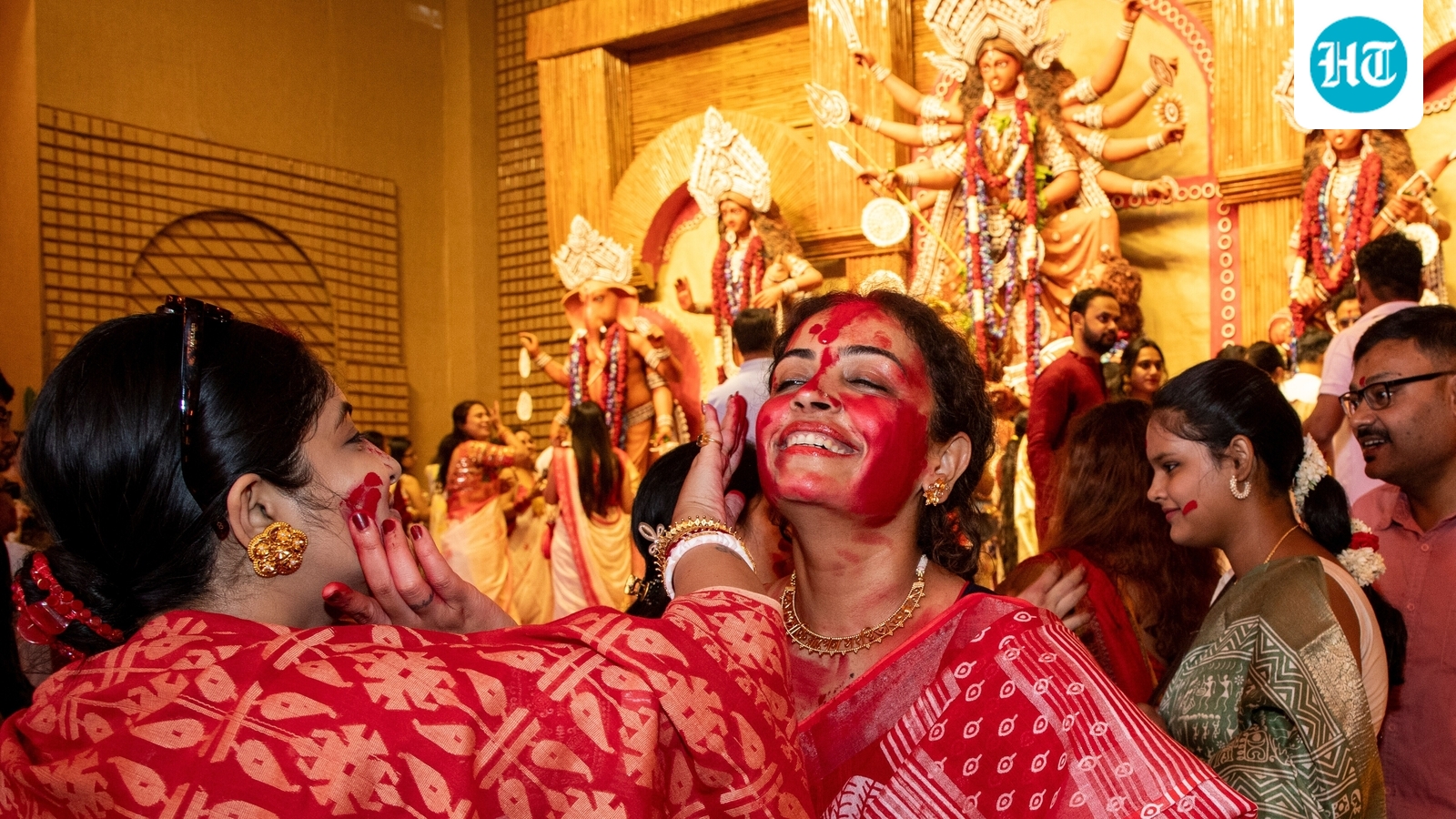
Chittaranjan Park, popularly known as CR Park, is the cultural heart of Delhi's Bengali community. Located in South Delhi, the neighbourhood is famous for its bustling fish markets, traditional sweet and food shops, and grand Durga Puja celebrations.
However, long before it became a thriving residential and commercial enclave, the area was a stretch of barren, rocky terrain allocated by the government for the rehabilitation of East Bengali refugees. The displacement of Bengalis didn't happen at once but unfolded in prolonged, agonising waves.
It happened during and after the 1947 Partition of India, the 1950 riots, and the 1971 Bangladesh Liberation War. While some among those displaced settled in West Bengal, 2,147 plots were demarcated and allocated to registered Bengali families in Delhi. The locality was set up to provide housing for displaced people from East Pakistan (modern-day Bangladesh).
Over the decades, the settlement evolved from a quiet refugee colony into one of the capital's most prominent cultural landmarks.
The story behind the naming of CR Park is rooted in a decades-long pursuit of identity by its initial settlers.
When the government first allotted land to refugees, the area was named "East Pakistan Displaced Persons Colony," abbreviated as EPDP Colony. As the neighbourhood developed, residents lobbied for a name that reflected their heritage rather than their displacement.
The pursuit of a new name and identity led to a series of proposals, with 'Purbachal', which means "eastern land" or "land of the east" in Bengali, being considered as one of the names. In fact, EPDP and Purbachal were used interchangeably by the colony's early settlers.
The place was finally named after one of India's renowned freedom fighters, Chittaranjan Das.
Born in 1870, he was a distinguished barrister who gained national prominence for successfully defending Aurobindo Ghosh in the 1908 Alipore Bomb Case.
Affectionately called Deshbandhu (Friend of the Nation), Das emerged as a leading figure in the Indian National Movement, serving as the President of the Indian National Congress at the 1922 Gaya session. A pioneer of the non-cooperation movement in Bengal, he co-founded the Swaraj Party alongside Motilal Nehru. He went on to become the first Mayor of the Calcutta Municipal Corporation in 1924.