
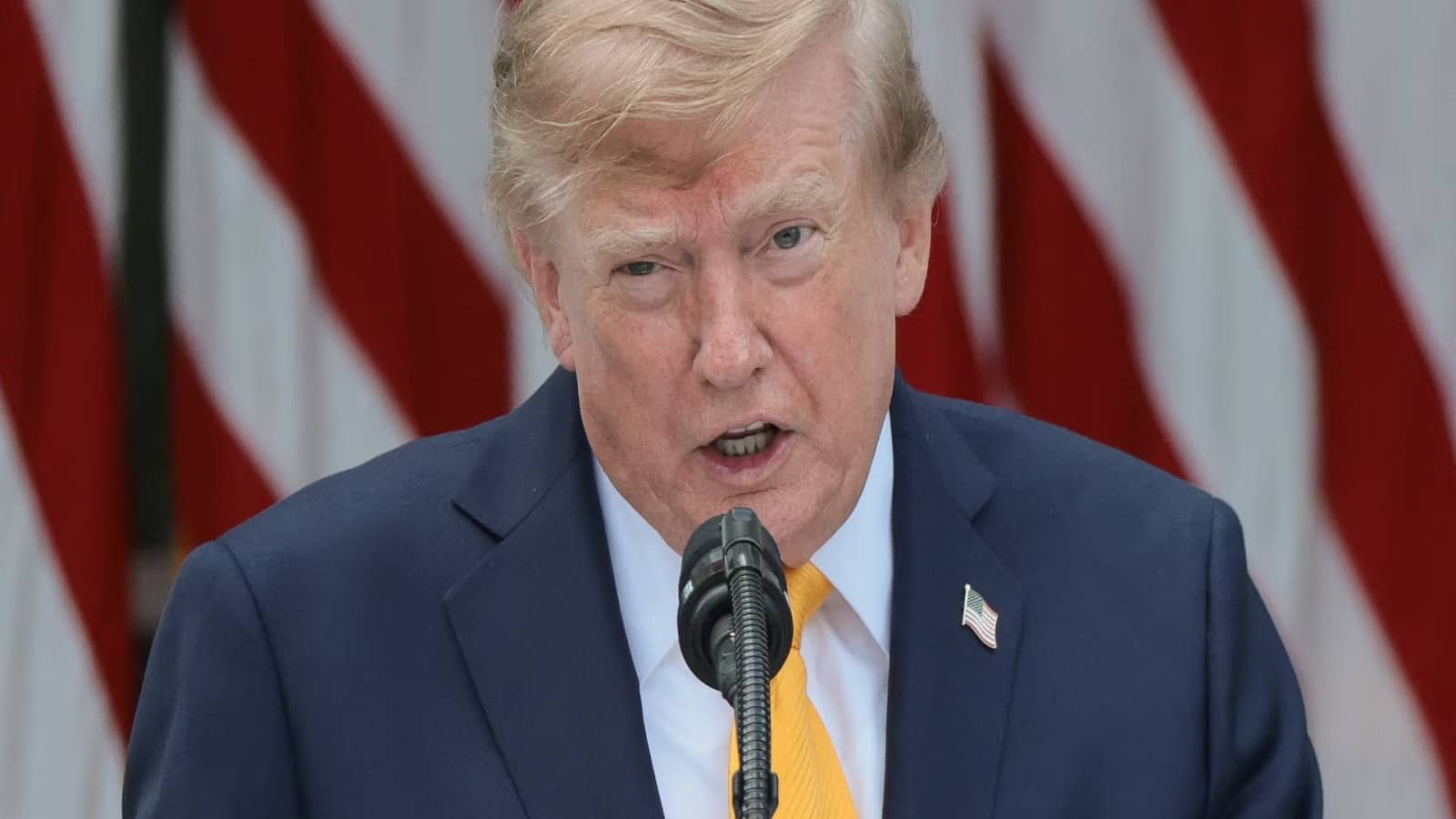
Democrats secured control of the House and Senate in the 2026 midterm elections, dealing a major setback to President Donald Trump. Trump said, "We'll work with the Democrats, and we'll, you know, look forward to working with them." Vice President JD Vance blamed the ongoing war with Iran for losses.
Washington: Democrats have secured control of both the House of Representatives and the Senate in the 2026 midterm elections, delivering a decisive setback to President Donald Trump and the Republican Party midway through his second term. Major media outlets projected Democratic majorities, with the party flipping multiple Republican-held Senate seats in states such as Texas, South Carolina, Kansas, Iowa, Ohio, and Maine, alongside significant House gains.
The outcome shifts the balance of power in Congress, enabling expanded Democratic oversight, investigations into the administration, and constraints on Trump's legislative priorities for the remaining two years of his presidency. House Minority Leader Hakeem Jeffries is positioned to potentially become the first African American Speaker of the House. Trump has accepted the results while seeking to distance himself personally from the losses.
In an interview with The New York Times, Trump stated he was "absolutely willing to accept those results" and prepared to cooperate: "We'll work with the Democrats, and we'll, you know, look forward to working with them. We'll probably work something out." On Truth Social, he posted: "I wasn't on the Ballot and if I was, we would have won IN A LANDSLIDE! Thank you for your attention to this matter." During the campaign, he had urged voters to pretend he was on the ballot.
Iran War Cited as Key Factor
Vice President JD Vance attributed the Republican defeat primarily to the ongoing war with Iran. In a lengthy post on X, Vance wrote: "The reason we lost is the war. The president himself said so last night." Citing internal polling, he noted that many 2024 Trump-Vance voters switched to Democrats due to concerns including ending the war, cost of living and inflation, prioritizing an "America First" agenda, and changing the U.S. relationship with Israel. "The main problem is not turnout. The main problem is that many people who voted for Trump/Vance in 2024 voted for Democrats in 2026," Vance stated, urging the party to confront the issue honestly rather than shift blame.
Trump largely agreed, telling reporters the assessment was "largely true because it drove the gasoline up a little bit short-term." He maintained the military action was necessary: "If I had it to do again, I'd have to do it again because long-term, it's the only answer. You can't let Iran have a nuclear weapon." He argued fuel prices, not the war itself, were the primary driver of dissatisfaction and claimed his personal popularity at rallies did not transfer to other candidates: "If I were on the ballot, we would have won... But you couldn't just transfer that love." Trump dismissed potential impeachment efforts, saying they would "destroy the Democratic Party."
The White House posted an image of Trump with the message "NEVER SURRENDER" amid the fallout. Trump has publicly backed Secretary of War Pete Hegseth, stating he is "doing a very good job," though reports indicate internal discussions about personnel in light of the war's political costs and impending Democratic scrutiny.
Impact on India
An Emkay Research report assessed that Trump's midterm setback could reduce the risk of sudden U.S. tariff escalations and give India more room in trade negotiations, though uncertainty persists. With Democrats controlling Congress, the administration may face greater constraints on new trade measures. "Fewer new escalation tools, more pressure to deliver consumer affordability, and deals before 2028" could shape policy, the report noted. Future escalations would likely require slower investigation-based actions under Section 301 and Section 232.
For India, the urgency of a bilateral trade deal has eased. The proposed 18% framework rate was never implemented; Indian goods face a lower 10% Section 301 duty, and U.S. leverage under the International Emergency Economic Powers Act has diminished. Residual risks include sector-specific Section 232 tariffs on pharmaceuticals and electronics, plus potential renewed pressure over oil imports if Russia or Iran diplomacy falters. Softening crude prices, a weaker dollar, and lower tariff volatility could support the rupee and exports, gradually easing India's risk premium, though current account needs and global uncertainties limit the relief. Trade remains an area of presidential control, so headline volatility may continue.
Iran's Reaction
Iranian Parliament Speaker Mohammad Bagher Ghalibaf, involved in talks with the U.S., sharply criticized American leadership. Responding to Vance's comments, Ghalibaf posted on X: "Losing gambler energy, can't walk away from the table. Boss is prepping the next war phase while America teeters on an Israel-First cliff. Skip the TED talk. Why not say this to your boss?" Earlier, he framed the results as Americans saying "NO TO WAR," endorsing the message while warning of consequences if the U.S. government ignored public will.
The midterm results mark a significant political realignment, testing Trump's remaining term with divided government, ongoing foreign policy challenges, and evolving international dynamics.