
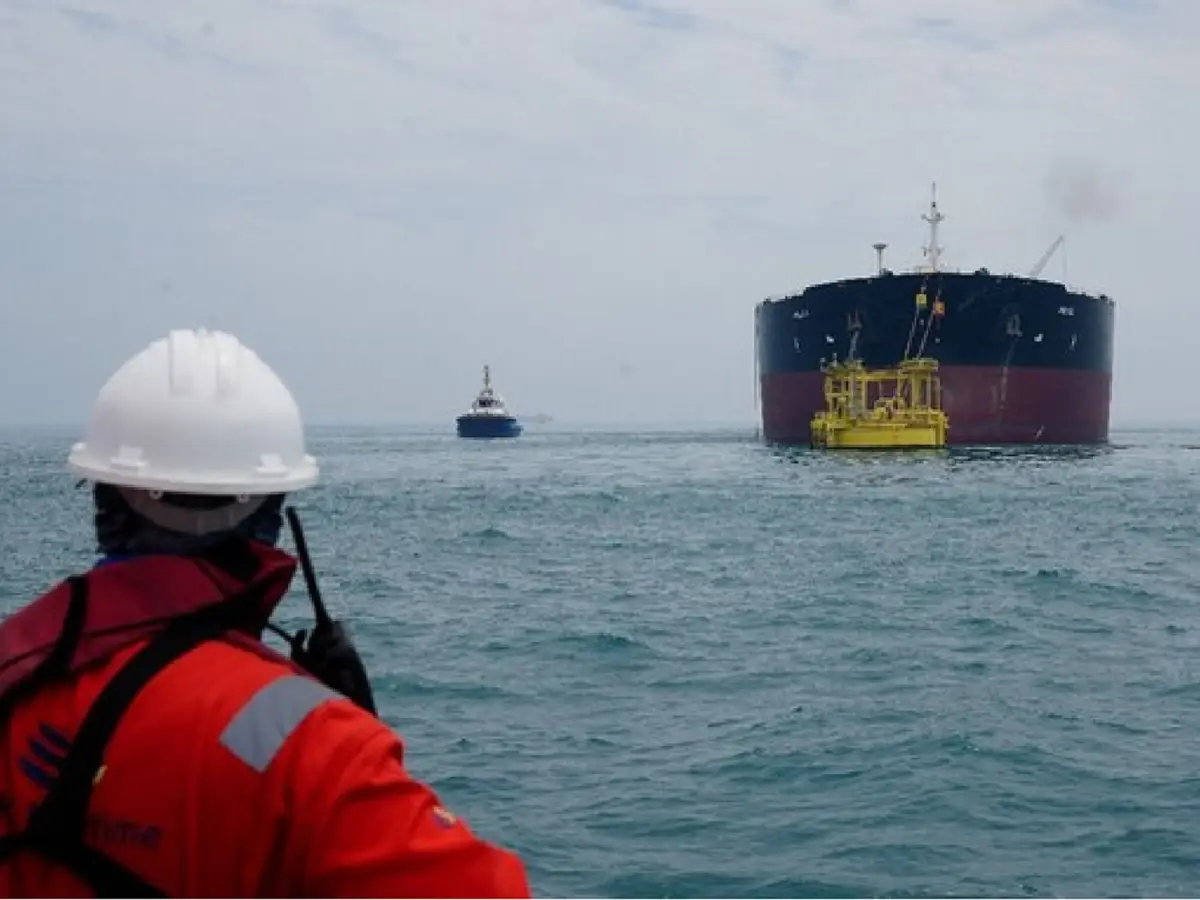
Iran exempted merchant ships from India, China, Iraq, and Qatar from restrictions in the Strait of Hormuz. Ahmad Hayat-Moghaddam said, "Ships from these countries pass freely, and the Americans do not intercept them either." This move helps India secure vital energy and medicine imports amid many attacks on commercial vessels.
India has repeatedly called for the unimpeded movement of energy supplies and freedom of navigation in international waterways. According to the International Maritime Organization, there were at least 70 attacks on merchant ships during the conflict from February till August.
The Iranian government has exempted merchant vessels from India from restrictions on using the Strait of Hormuz besides those from China, Iraq and Qatar. Ahmad Hayat-Moghaddam, vice-chairman of the Iranian Parliament's National Security and Foreign Policy Committee, said ships from India, China, Iraq and Qatar are exempt from restrictions imposed on shipping through the Strait of Hormuz and are free to navigate through the strategic waterway, and the US is not stopping them either.
The announcement comes amid repeated attacks on vessels in and around the Strait of Hormuz, which prompted New Delhi to call for an end to attacks on commercial shipping.
"We have currently exempted India, China, Iraq and Qatar from transit restrictions in the Strait of Hormuz. Ships from these countries pass freely, and the Americans do not intercept them either," Hayat-Moghaddam said in an interview with the Iranian Students' News Agency.
Hayat-Moghaddam said India was granted the exemption to facilitate imports of medicines, while China's exemption was linked to political support and economic ties.
Hayat-Moghaddam said Iran collects transit fees from Indian and Chinese vessels and allows Qatari vessels to pass without charges but did not specify whether Iraqi vessels pay transit fees or not.
India imports around 90% of its crude oil needs, and about 30% of these imports currently pass through the Strait of Hormuz. Previously, the strait accounted for 70% of India's crude imports, but the dependence has declined because New Delhi has diversified imports with purchases from Russia, the US, West Africa, and Fujairah in the United Arab Emirates (UAE) since the start of the West Asia conflict.
However, 90% of India's LPG imports still transit the Strait of Hormuz, and more than 50% of its LNG imports from Qatar and the UAE also arrive through the waterway, which is also crucial for fertiliser imports.
India has repeatedly called for the unimpeded movement of energy supplies and freedom of navigation in international waterways.
According to the International Maritime Organization (IMO), there were at least 70 attacks on merchant ships between the start of the conflict in February and August. These attacks resulted in the death of 19 seafarers. Fifteen seafarers are among the 24 Indians killed so far in the West Asia conflict.
Iran's leaders urge military to consider Qatari-brokered proposal
Meanwhile, senior Iranian political leaders are urging the country's military leadership to consider a Qatari-brokered proposal to prevent a renewed conflict with the United States, said an Al Arabiya report.
Iranian President Masoud Pezeshkian, Parliament Speaker Mohammad Bagher Ghalibaf and Foreign Minister Abbas Araghchi have advised military leaders to engage constructively with the proposal.
The diplomatic push comes amid internal assessments in Iran that a resumption of direct conflict with the United States is the most likely scenario.