
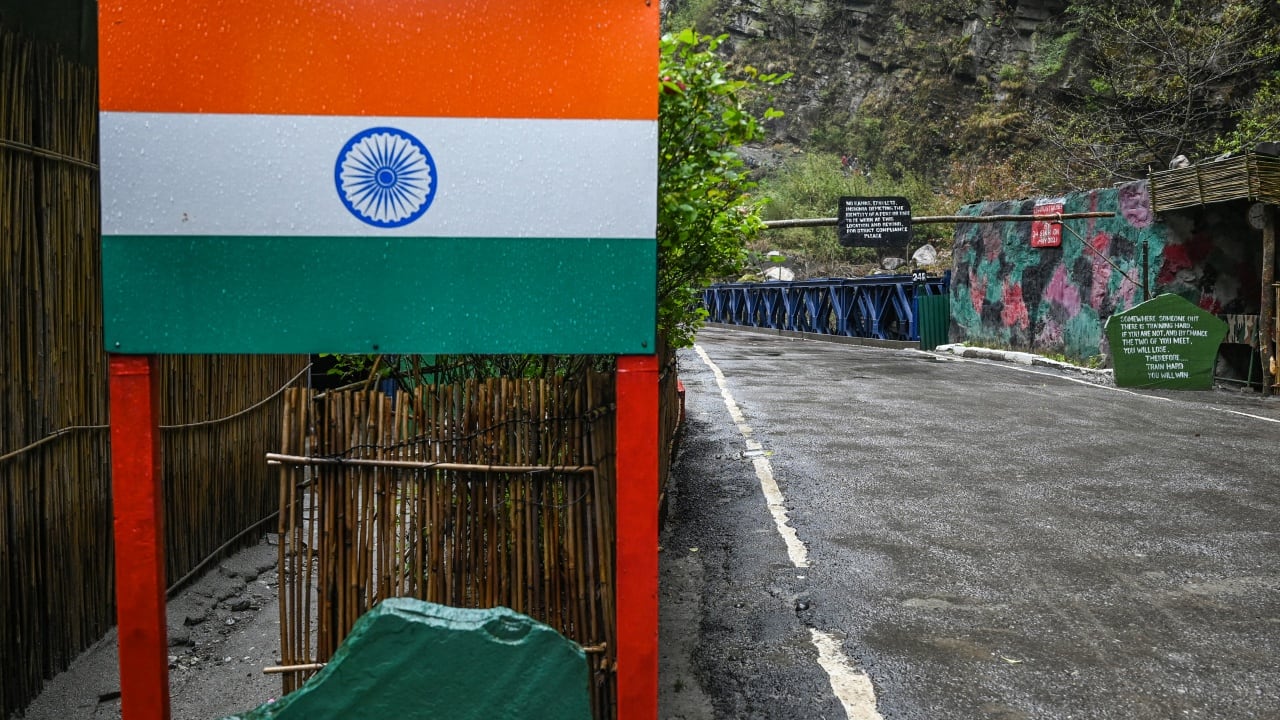
India and China reduced active face-off points along the Line of Actual Control after 10-day military talks in Arunachal Pradesh. Both sides issued fresh procedures to prevent friction. While the situation stabilised, some issues remain. Officials said, "The number of face-off points has come down sharply after the latest discussions."
The second round of high-level Corps Commander-level talks between India and China, spanning 10 days, has concluded with a significant reduction in active face-off points along the Line of Actual Control (LAC), with the ground situation stabilising, sources told CNN-News18. The discussions were held in Arunachal Pradesh as both sides sought to ease tensions along the disputed border ahead of winter. The latest military-level engagement follows high-level diplomatic negotiations between the two countries in Beijing earlier this year. According to sources, as quoted by CNN-News18, the number of face-off points, which had earlier risen to double digits, has come down sharply after the latest round of discussions.
Both sides have also issued fresh Standard Operating Procedures (SOPs) to their troops to prevent friction and avoid confrontations along the LAC. However, some issues remain unresolved, particularly the limits of patrolling at one disputed point. Sources said both sides would consult their respective higher authorities before deciding on the next steps. The military representatives are expected to meet again once a fresh date is finalised. Winter to further reduce troop movement With winter approaching, snowfall is expected to restrict movement across several friction points along the border.
According to CNN-News18, officials noted that troop movement generally declines during the harsh winter months, which could result in some of these locations becoming naturally inaccessible. The latest round of talks is part of continued efforts by New Delhi and Beijing to maintain peace and stability along the LAC, where tensions have affected bilateral relations. August talks between Ajit Doval and Wang Yi The military-level discussions build on the August 25 meeting in Beijing between National Security Adviser Ajit Doval and Chinese Foreign Minister Wang Yi. The talks resulted in an eight-point consensus aimed at advancing boundary negotiations and improving border management.
According to the Ministry of External Affairs, the two sides agreed to uphold the 2005 Political Parameters and Guiding Principles for a boundary settlement. They also decided to task working groups with pursuing an "early and substantial harvest" on issues related to delimitation and management of the boundary. The consensus included plans to establish two additional general-level meeting points and military hotlines in the eastern and middle sectors. Both countries also agreed to resume border trade points, expand the number of batches for the Kailash-Manasarovar Yatra and share trans-border hydrological data.
The two sides further agreed to hold the 26th Special Representatives' round of boundary talks in India in 2027. New Delhi has consistently maintained that peace and tranquillity along the border are essential for the broader development of India-China relations. However, Arunachal Pradesh Chief Minister Pema Khandu has noted that friction persists because Beijing does not recognise the McMahon Line, which forms the basis of the boundary between Arunachal Pradesh and Tibet.