
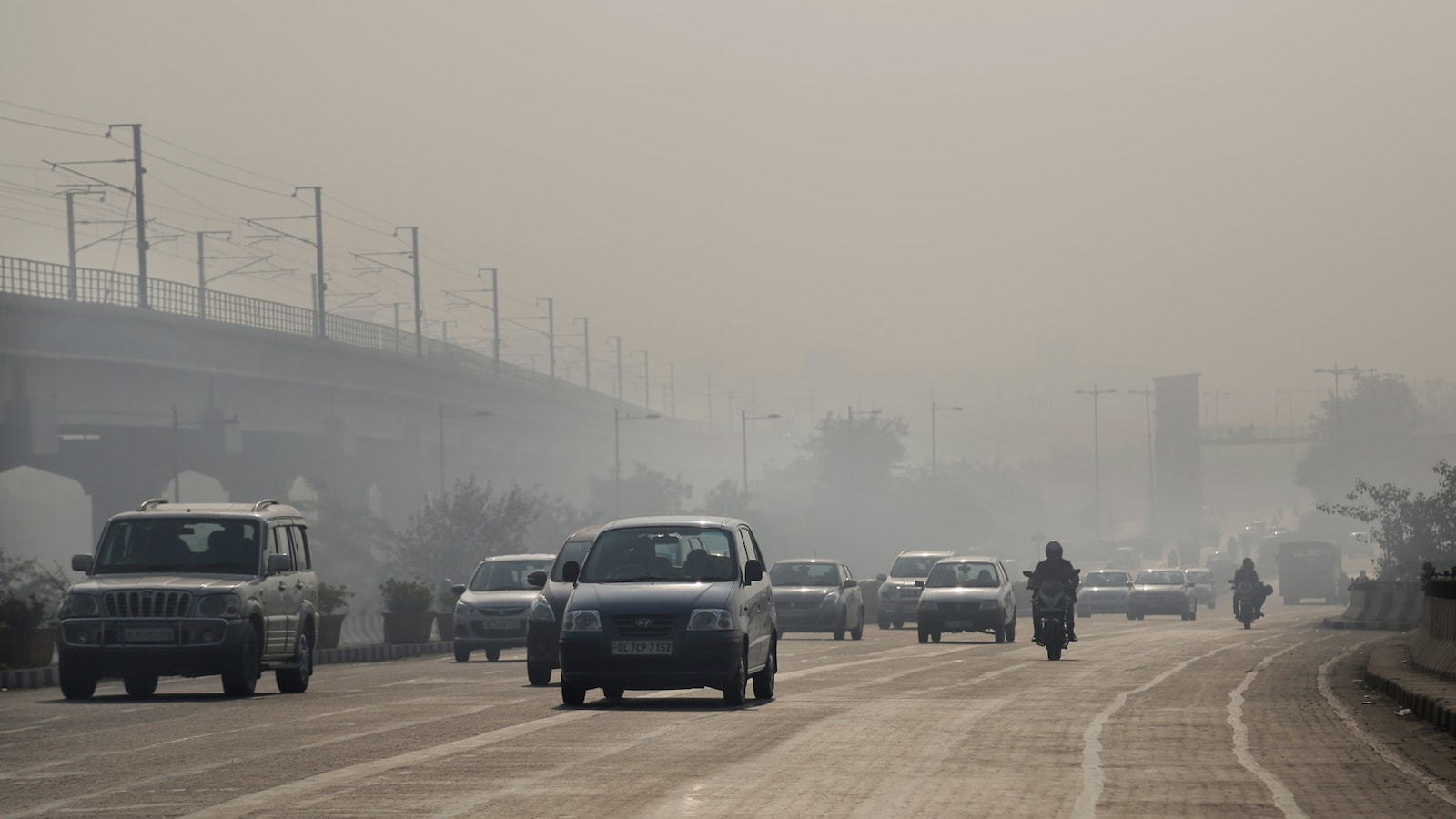
Delhi air quality hit the "Very Poor" category today as the average AQI reached 324. The Commission for Air Quality Management started GRAP-II restrictions across the NCR with immediate effect. These rules include mechanical road sweeping, water sprinkling, and higher parking fees to discourage the use of personal vehicles now.
New Delhi:
Days to go for Diwali, the air quality in Delhi and the National Capital Region has dropped drastically, invoking the GRAP-II (Graded Response Action Plan) rules. The Commission for Air Quality Management or CAQM has applied the Stage-II restrictions across the entire NCR with immediate effect after Delhi's average AQI (Air Quality Index) hit 324 today, placing it in the "Very Poor" category.
The GRAP-II involves a series of restrictions that include mechanical or vacuum sweeping of roads and water sprinkling, raising parking fees to discourage the use of personal vehicles, increasing the frequency of Metro services and CNG and electric buses.
Read: Anti-Pollution Curbs Return To Delhi: Why Reactive Bans Can't Fix Air Crisis
The GRAP-I rules were imposed on October 21 when the AQI was 244. GRAP 1 measures entail promoting the use of public transport, checking PUC (Pollution Under Control) certificates, barring diesel vehicles older than 10 years and petrol vehicles older than 15 years. It also bans use of coal and firewood in roadside eateries and commercial tandoors and restricts the use of diesel generator.
While Delhi sees the onset of smog season by early October, this year it was clear owing to late monsoon rains and strong surface wind.
But the pollution may turn out worse this year owing to the El Nino effect that disrupts weather patterns across the world. El Nino, particularly, is known to increase pollution.
Read: As Winter Pollution Curbs Kick In, Delhi AQI Slips Into 'Very Poor' Category
Manoj Kumar, analyst at the Centre for Research on Energy and Clean Air, said the mean AQI rose from 280 in winter 2022-23 to 304 in 2023-24. It dropped to 285 the next year and rose to 295 in 2025-26.
Every year as farmers in neighbouring Punjab, Haryana and Uttar Pradesh begin stubble burning, Delhi-NCR chokes. GRAP Stages III and IV, which list increasingly tougher measures to control pollution including ban on BS-III petrol and BS-IV diesel four-wheelers and odd-even road rationing, come into play.
This year, late rains have delayed harvest in Punjab and Haryana, pushing the peak stubble-burning season to late October and November -- when winter winds are at their calmest, leaving the smoke with nowhere to go.