
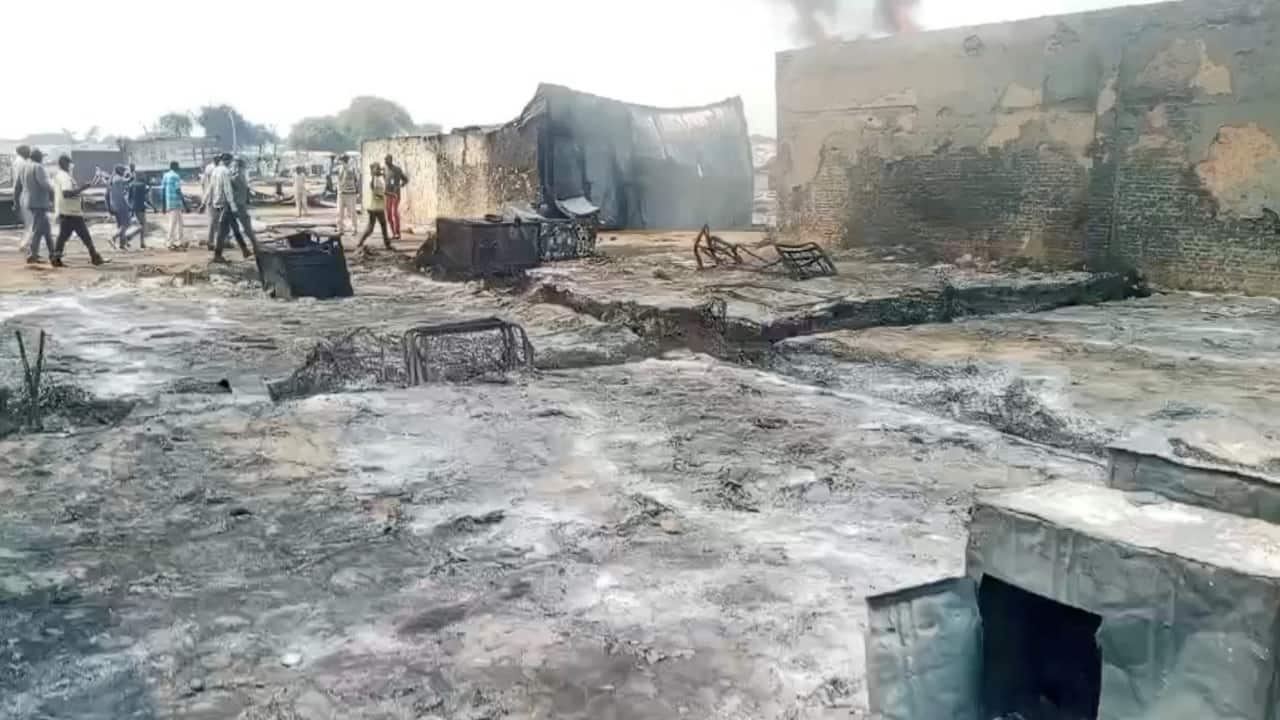
Drone strikes caused nearly 75 percent of verified civilian deaths in Sudan between January and October this year, the United Nations said on Tuesday. The UN reported 2,230 deaths, with 1,630 linked to drones. Volker Turk said the findings provide evidence of the ceaselessly unbearable civilian suffering of the war.
Drone strikes accounted for nearly three-quarters of verified civilian deaths in Sudan's war between January and the end of October this year, the United Nations said on Tuesday, warning that the use of drones has become a defining feature of the conflict. The UN human rights office (OHCHR) said it had confirmed 2,230 civilian deaths during the 10-month period, of which more than 1,630 were caused by drone attacks. It warned that the actual toll was likely to be higher. The war between the Sudanese Armed Forces and the paramilitary Rapid Support Forces (RSF) erupted in April 2023 and has killed an estimated 200,000 people in total.
More than 13 million people have been forced to flee their homes, triggering what aid groups describe as the world's largest hunger and displacement crisis. In a report covering the human rights situation in Sudan between January and June, OHCHR documented an "unmistakable increase in drone strikes against civilians and civilian objects" during the first six months of the year. Both warring parties have increasingly relied on drones capable of striking targets hundreds of kilometres away. Drone attacks have "eclipsed the use of other tactics and weaponry", the UN office said, allowing the parties to strike beyond areas under their territorial control and frontline positions.
Civilians Bear Brunt Of Drone Attacks Civilians in the Kordofan region accounted for more than two-thirds of the casualties documented by OHCHR, while most of the remaining casualties occurred in Darfur. Between January 1 and June 30, the UN office also documented indiscriminate attacks, reprisals against civilians accused of collaborating with opposing forces and the widespread use of sexual violence as a weapon of war. The report said a "robust war economy" and a steady supply of weapons and other external support had enabled the warring parties to sustain fighting as the conflict continued to spread and evolve.
UN High Commissioner for Human Rights Volker Turk condemned the parties' continued disregard for international humanitarian law. "The findings in our report provide more evidence, if any were needed, of the ceaselessly unbearable civilian suffering of the war in Sudan and the warring parties' continued and brazen disregard for the laws of war," Turk said. He added that the report documented serious violations of international humanitarian law which, amid widespread impunity, may amount to war crimes. Drone Strikes Hit Power And Fuel Infrastructure The UN also flagged an increase in drone strikes targeting essential infrastructure, including power stations and fuel supplies.
Between October 20 and November 4, around 29 drone strikes attributed to the RSF hit electricity facilities and fuel stations, triggering widespread power outages and further fuel shortages. The attacks affected millions of people, including those living far from the frontlines, and disrupted essential services, according to an OHCHR statement released alongside the report. "These drone strikes had a devastating impact on civilians and essential services," the UN office said. The report warned that the conflict was exacting an "unbearable toll" on civilians, while prospects for a ceasefire and a peaceful resolution remained elusive.
"The parties to the conflict must protect civilians and uphold their international law obligations -- the world is watching," Turk said.