
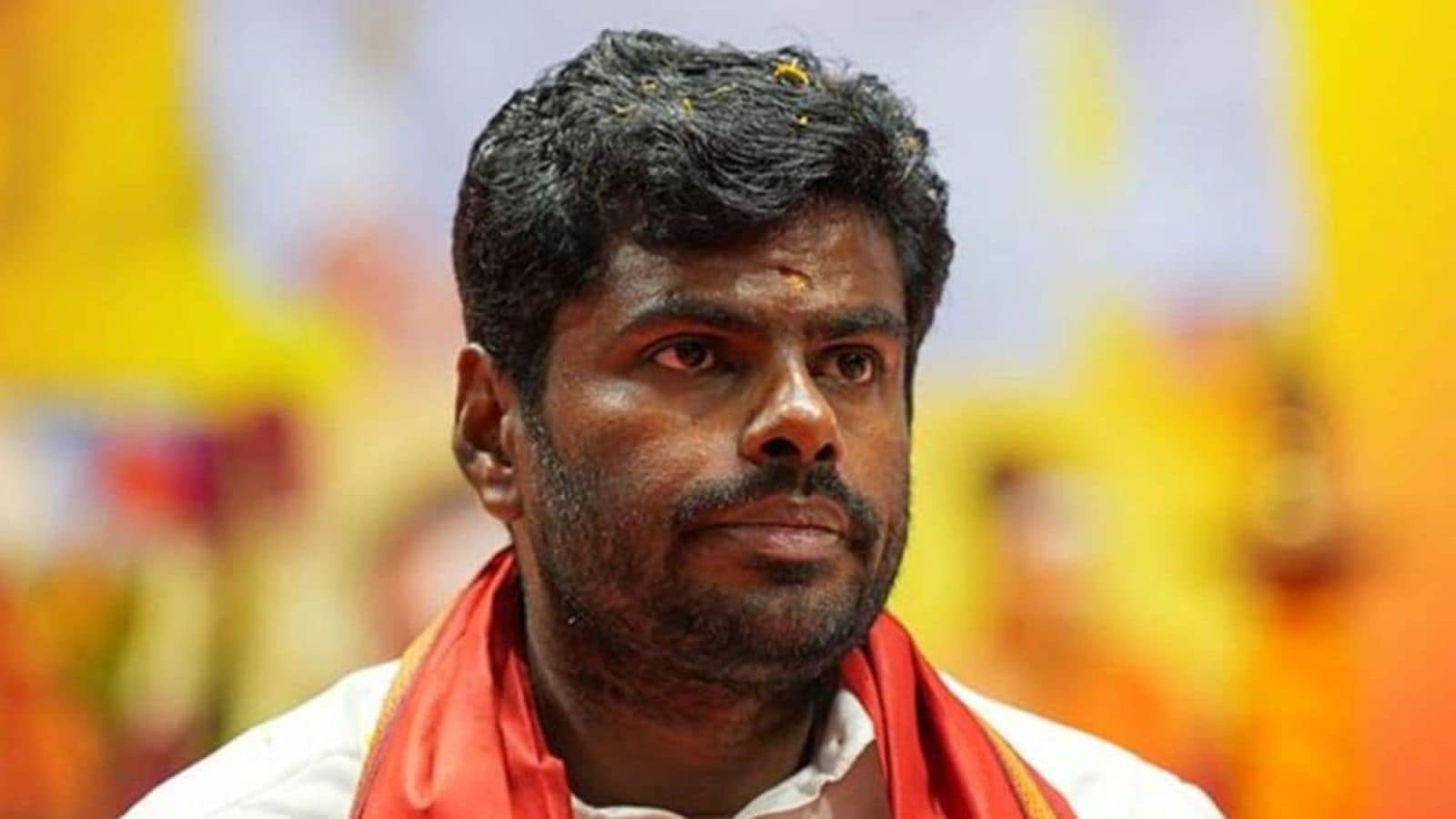
The BJP defended the police crackdown on CJP protesters after K Annamalai criticized the action. Spokesperson Narayanan Thirupathy said Wednesday, "Mr Annamalai's questions deliberately blur the line between peaceful protest and deliberate law-breaking." The party argued that leaders ignored rules and breached peace bonds, unlike the 2011 anti-corruption protest.
Thank you for your feedback.
Your feedback has been reported succesfully.
With the Central government facing criticism from its former Tamil Nadu president K Annamalai over the police crackdown on CJP protesters, the BJP pitched in to defend the action.
Responding to Annamalai's remarks, Tamil Nadu BJP spokesperson Narayanan Thirupathy Wednesday said: "Mr Annamalai's questions deliberately blur the line between peaceful protest and deliberate law-breaking."
He pointed out that the CJP leaders were denied permission for protest at Jantar Mantar. "They responded by climbing locked gates and barricades, entering a de-notified site, and violating earlier peace bonds they had themselves executed. The SEM remand orders and subsequent judicial custody cited exactly this pattern -- "no respect for law", repeated unauthorised protests, and bond breaches, not some vague or indefinite detention. The High Court later reviewed and released them. That is due process, not its absence."
Annamalai, also an ex-IPS officer, had recalled a 2011 statement by then Gujarat Chief Minister Narendra Modi censuring the midnight police crackdown on anti-corruption protesters at Ramlila Maidan.
"In 2011, the then Chief Minister of Gujarat, Narendra Modi, stated that if his hands had not been tied, he would have gone to Delhi and waged a war against the Central government," Annamalai said. "In my opinion, what the Hon PM said then was absolutely right, and there is nothing wrong about it... Today, you could be jailed indefinitely; your surety bonds could be rejected; and, surprisingly, a Special Executive Magistrate will play circles around you when he/ she is empowered to deal with preventive bond cases," he rued.
Thirupathy argued that Modi had criticised the UPA-era crackdown on Anna Hazare's "largely peaceful anti-corruption sit-in". "That context differs from the October 2026 events. CJP was denied permission at Jantar Mantar (short notice, prior conduct, security/traffic concerns). Leaders later entered by climbing gates/barricades after the site was denotified, unfurled flags, and raised slogans; FIRs followed for trespass, bond violation, and obstructing public servants. Earlier (Oct 10) detentions were largely preventive; many ordinary protesters were released quickly. Leaders had given bonds after prior release to maintain peace."