
ഉത്തർപ്രദേശിൽ ബിജെപി അധികാരത്തിൽ തിരിച്ചെത്തിയാൽ ഏകീകൃത സിവിൽ കോഡ് നടപ്പിലാക്കുമെന്ന അമിത് ഷായുടെ പ്രഖ്യാപനം സംസ്ഥാന രാഷ്ട്രീയത്തിൽ നിർണ്ണായകമാകുന്നു. സമാജ്വാദി പാർട്ടിയുടെ ജാതി അധിഷ്ഠിത രാഷ്ട്രീയത്തെ നേരിടാൻ രാമക്ഷേത്ര പ്രക്ഷോഭവും ഹിന്ദുത്വ അജണ്ടയും ബിജെപി വീണ്ടും ഉയർത്തുകയാണ്. വരാനിരിക്കുന്ന തിരഞ്ഞെടുപ്പിൽ ഹിന്ദു വോട്ടർമാരെ ഏകീകരിക്കാനാണ് ഈ നീക്കം.
Union home minister Amit Shah's categorical promise to implement the Uniform Civil Code (UCC) in Uttar Pradesh on the BJP's return to power in the state, coupled with his pointed reference to the 1990 firing on Ram devotees in Ayodhya, has brought the party's traditional Hindutva agenda on the front burner ahead of the assembly elections.
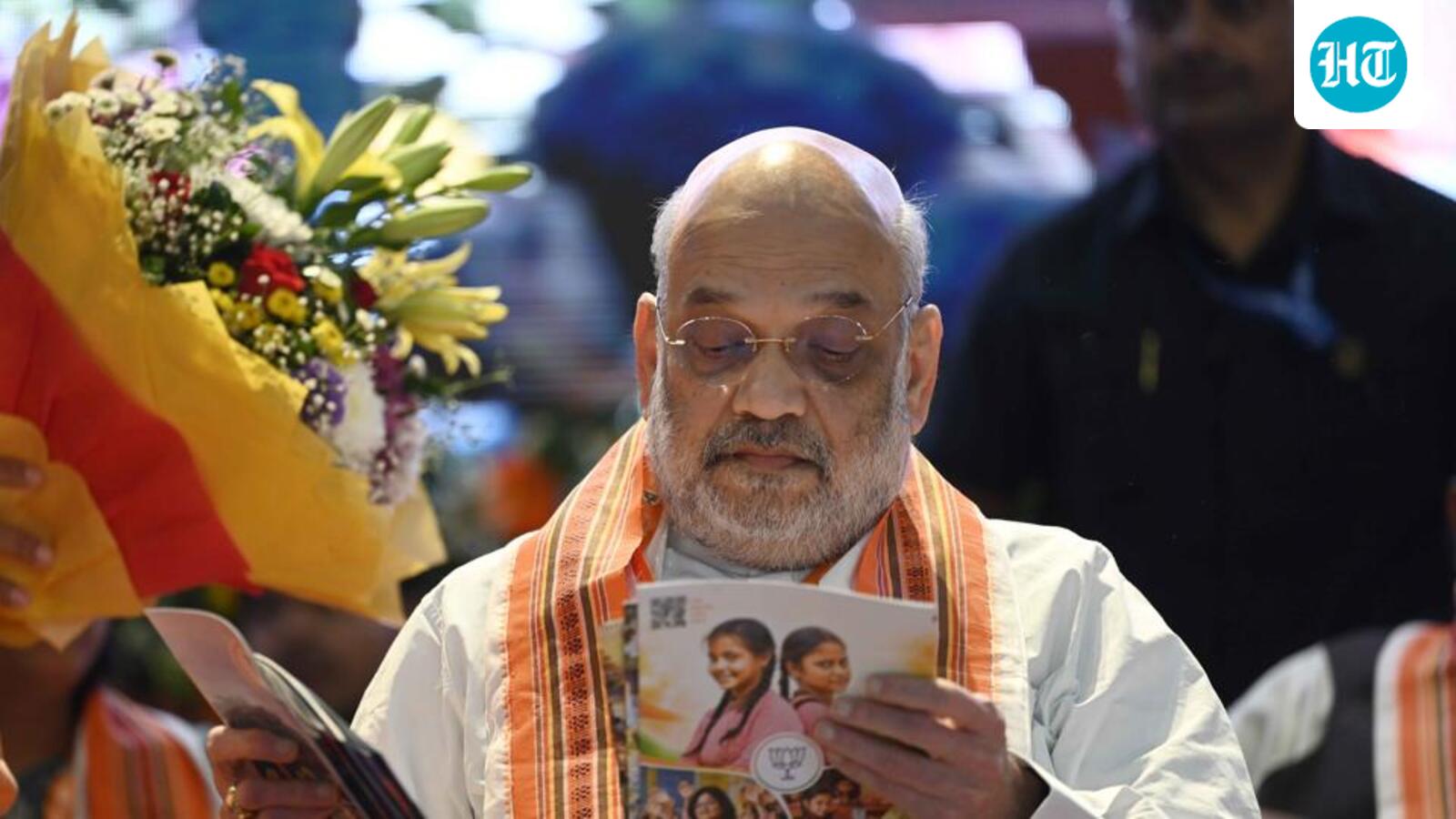
The two references -- one a fresh political commitment and the other a reminder of its historical confrontation with the Samajwadi Party (SP) over the Ram temple movement -- underline the ideological thrust of Shah's address to the BJP's state working committee meeting in Lucknow on Friday.
It is believed that the renewed emphasis on a divisive issue in a state with a substantial Muslim population assumes significance against the backdrop of the SP's PDA ((Pichhda, Dalit, Alpsankhyak) strategy through which party chief Akhilesh Yadav has sought to consolidate the Scheduled Castes and Other Backward Classes (OBCs), besides minorities.
The BJP has traditionally sought to use Hindutva and nationalism as tried and tested tools to transcend caste divisions and consolidate Hindu voters cutting across caste lines. Shah's address, with the focus on UCC and a reminder of firing on Ram devotees, is seen by many as a conscious bid to counter the Opposition's caste-based mobilisation.
"Hindutva and nationalism have always served as the ideological glue holding Hindu voters together across caste divisions. Caste equations are important in electoral politics, but Hindutva and nationalism provide a larger identity that brings Hindu voters together. This has always been central to the BJP's political appeal and Shah's bid to bring Hindutva back into focus through his address is not unexpected," a senior BJP leader said, requesting anonymity.
For much of the past few months, the BJP's political messaging in Uttar Pradesh has largely revolved around governance, welfare delivery, organisational restructuring and the need to strengthen its social coalition following its setback in the 2024 Lok Sabha elections.
While Hindutva has remained integral to the party's politics, it has not occupied the same prominence in its recent public messaging. Shah's address seeks to change the tone and tenor of the BJP's political campaign for the 2027 polls.
The reference to the 1990 Ayodhya firing added another dimension to this messaging. Shah invoked the firing on kar sevaks during the Mulayam Singh Yadav government, seeking to revive the political memory of the Ram temple movement and contrasted it with the BJP's role in the construction of the Ram temple.
"On the one hand, the Samajwadi Party massacred Ram devotees and dumped their bodies in the Saryu without performing their last rites; on the other hand, the BJP paved the way for the grand Ram Temple," he said, reminding Akhilesh Yadav that people of the state would never forgive him and his party.
Interestingly, while Shah on Friday vowed to bring UCC in UP if the BJP government returns to power in the state, chief minister Yogi Adityanath, a Hindutva leader with an independent identity of his own, has chosen not to be vocal on the UCC issue despite the fact that several states, including the neighbouring Uttarakhand, have already brought the UCC or announced its implementation.
After Shah's address, it will be interesting to watch how the state moves on the issue of UCC and how the controversial and complex issue occupies space in the political narrative building and poll campaigning.