
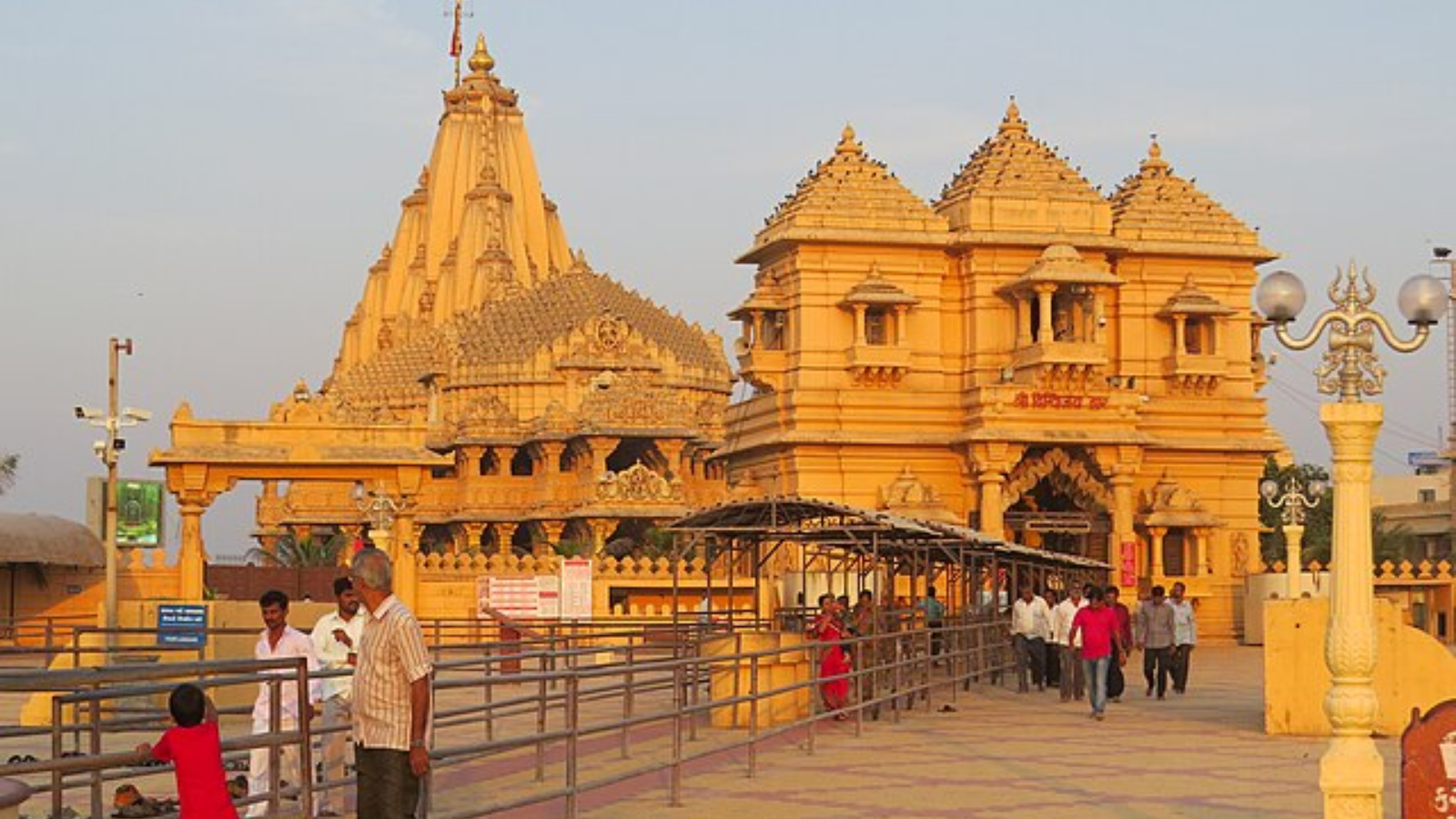
സോമനാഥ് തീർത്ഥാടന പാതകളിൽ മാംസാഹാര നിരോധനം ഏർപ്പെടുത്തിയ സർക്കാർ ഉത്തരവ് ഹൈക്കോടതി സിംഗിൾ ബെഞ്ച് റദ്ദാക്കിയിരുന്നു. എന്നാൽ, സർക്കാർ അടിയന്തരമായി ഡിവിഷൻ ബെഞ്ചിനെ സമീപിച്ചതോടെ ഉത്തരവ് സ്റ്റേ ചെയ്യുകയും നിരോധനം തുടരാൻ കോടതി അനുവദിക്കുകയും ചെയ്തു. തീർത്ഥാടകരുടെ എണ്ണവും മതപരമായ പ്രാധാന്യവും കണക്കിലെടുത്താണ് സർക്കാർ ഈ നിയന്ത്രണം ഏർപ്പെടുത്തിയത്.
Around 3 pm, immediately after Justice Nisha M Thakore pronounced the order in open court allowing the petition, the state sought time to challenge it before a Division Bench.
Government Pleader G H Virk submitted that nothing had changed on the ground since the final notification was issued on August 10 and requested that the operation of the order be kept in abeyance for seven days.
“Nothing has been done since 10th August. So, the position on the ground is not changing. We would like to carry this request for seven days because even interim relief was not granted, so that we can explore the LPA (Letters Patent Appeal) Bench in the next week,” Virk said.
He subsequently pressed for five working days to enable the state to prefer an appeal. “…We are requesting exactly five working days. Seven days means five working days, so that we can prefer the LPA. That’s the only request,” he told the court.
However, the judge declined to stay the order. The oral dictation recorded: “The request for stay is not accepted.”
The state then moved an urgent appeal before a Division Bench comprising Acting Chief Justice Manash Ranjan Pathak and Justice Nirzar S Desai. Virk submitted in open court: “The judgment has not been published but the pronouncement made in the court was that the petitions had been allowed.”
By 6.45 pm, the Division Bench had stayed the operation of the single judge order, and kept the restrictions on non-veg food along the notified Somnath pilgrimage routes in force.
During an earlier hearing on October 21, the state had strongly defended the restrictions, submitting that the religious significance and very high footfall at the temple justified regulating the sale of non-vegetarian food along routes taken by pilgrims.
Virk had submitted before Justice Thakore that approximately 1.2 crore devotees had visited Somnath in 2026. He had cited judicial rulings and restrictions at other pilgrimage centres such as Rishikesh, Haridwar, Amritsar, and Mathura-Vrindavan, and argued that Somnath could not be treated as an ordinary commercial centre.
The state maintained that the restrictions did not amount to a town-wide prohibition, and that restaurants could continue operating and serving vegetarian food. It submitted that devotees using the designated roads for pilgrimage and padyatra should not have to encounter the sale of non-veg food along these routes.
Appearing for the restaurant owners, advocate A L Mansuri had argued that the restrictions exceeded the powers available to the authorities under Section 33(1)(w) of the Gujarat Police Act. He submitted that the provision dealt with the licensing and regulation of places of public amusement, entertainment, and assembly, and did not empower the government to impose restrictions on restaurants.
Mansuri also disputed the state’s claim that the establishments were covered by earlier notifications issued by the government. He argued that the 2026 notification had expanded the restricted area without sufficient legal justification, and said that the authorities had failed to establish a concrete public-order concern arising from the operations of the restaurants.
The petitioners pointed out that their establishments had been operating for decades and served both vegetarian and non-vegetarian food. They argued that the restrictions threatened the livelihoods of the owners and the jobs of hundreds of employees, and said there was no evidence of clashes or disturbances caused by the sale of non-veg food.
The state had based its case in part on a series of notifications issued over the past two decades.
A 2006 notification had restricted the sale and storage of eggs, meat, and fish within 500 metres of the Somnath Temple and along the road connecting the temple with the bus stand. Virk had submitted that this notification had not been challenged, and remained in force.
In 2018, the Veraval-Patan Joint Municipality had sought to establish a vegetarian zone along specified main roads. Three of the present petitioners had challenged that measure, but the High Court had not granted interim relief and the case remained pending, Virk said.
A 2019 notification subsequently extended the restrictions to additional roads. In July 2026, the State issued a fresh notification, which was finalised on August 10, replacing the 2019 notification while maintaining that the earlier measures of 2006 and 2018 remained in force.
The 2026 notification identified several routes, including stretches connecting Bhalka Temple, Bhidiya Circle, Shankh Circle, Safari Circle, Geeta Mandir and Hamirji Circle, along with areas within a 500-metre radius of the temple.
With the Division Bench having stayed the single judge’s order, the restrictions will continue pending further proceedings. Written copies of the orders passed by both Benches were awaited at the time of filing this report.