
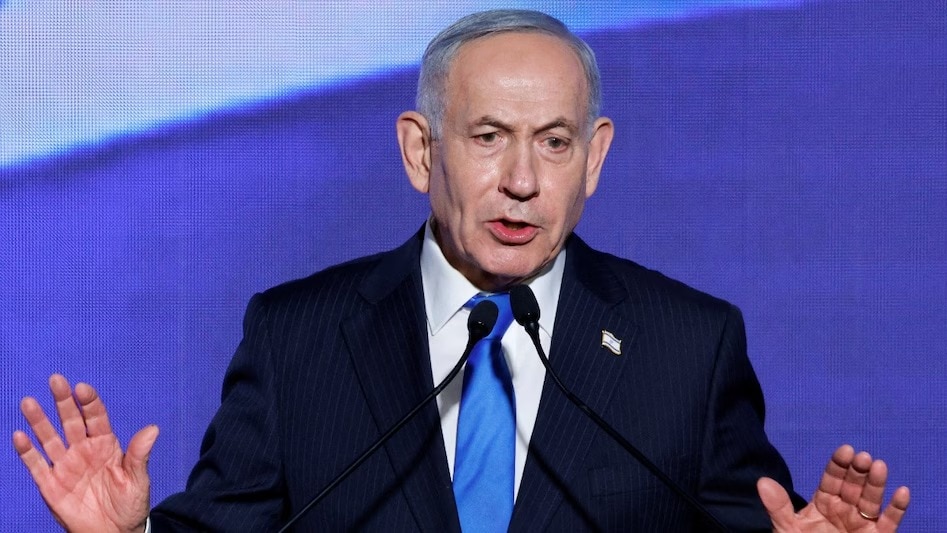
ഇസ്രായേൽ തെരഞ്ഞെടുപ്പിൽ വിദേശ ഫണ്ടിംഗ് വഴി അട്ടിമറി നടന്നെന്ന ആരോപണത്തിൽ അന്വേഷണത്തിന് ജസ്റ്റിസ് നോം സോൾബെർഗ് ഉത്തരവിട്ടു. പ്രധാനമന്ത്രി ബെഞ്ചമിൻ നെതന്യാഹു ഉന്നയിച്ച ക്രമക്കേടുകളെത്തുടർന്നാണ് ഷിൻ ബെറ്റ് ഏജൻസിയോട് ഒരാഴ്ചയ്ക്കകം റിപ്പോർട്ട് സമർപ്പിക്കാൻ ആവശ്യപ്പെട്ടത്. അറബ് പാർട്ടികൾ തെരഞ്ഞെടുപ്പ് അട്ടിമറിച്ചെന്ന ഗുരുതരമായ ആരോപണങ്ങളും അന്വേഷണ പരിധിയിലുണ്ട്.
Justice Noam Sohlberg has ordered Shin Bet to investigate suspected foreign funding in Israel's election. The probe comes as Netanyahu alleges malpractice and projected blocs remain short of a Knesset majority.
Israel's Central Elections Committee chair Justice Noam Sohlberg has directed Shin Bet chief David Zini to investigate allegations of foreign interference in Tuesday's election, following claims of electoral malpractice by incumbent Prime Minister Benjamin Netanyahu and his Likud party, the Times of Israel reported.
Sohlberg has asked the domestic security agency to examine suspicions that foreign entities funded attempts to improperly influence the election. He has directed Shin Bet to submit its findings within a week.
In a letter to Zini, Sohlberg said he had received information raising "serious suspicions" of improper electoral influence through funding from foreign entities acting against Israeli interests. He clarified that he could not vouch for the substance of the allegations but said their possible links to foreign entities warranted a thorough investigation.
He asked Shin Bet to use its authority to establish whether evidence supported or refuted the suspicions, saying the investigation was necessary to maintain public confidence in the electoral process and protect the integrity of Israeli democracy.
NETANYAHU ACCUSES ARAB PARTIES OF ELECTION THEFT
The directive follows Netanyahu's allegations that Arab parties had stolen the election through bribery, threats, violence and other alleged electoral offences.
Netanyahu claimed that the Arab parties, which he accused of supporting terrorism and seeking the elimination of the Jewish state, had undermined the election through criminal activities. He said Likud was handing over hundreds of testimonies and pieces of evidence to the police, Shin Bet and the Central Elections Committee.
According to Netanyahu, the evidence included allegations of cash being distributed alongside Ra'am party slips at Arab polling stations, threats and violence against polling station staff, multiple voting behind voting screens, voting under duplicate identities and discrepancies between the number of ballot envelopes and registered voters.
He also alleged that prohibited software had been used to mobilise voters.
Netanyahu called for a thorough investigation by the police and Shin Bet, along with the prosecution of those found guilty. He also demanded that the Central Elections Committee act immediately on the allegations, which he said had seriously compromised the integrity of the election and its results.
NO CLEAR MAJORITY AS BLOC NUMBERS REMAIN SHORT
The allegations come amid an uncertain political picture, with neither the Netanyahu-led coalition nor the opposition bloc projected to secure the 61 seats required for a majority in the Knesset.
Netanyahu's Likud is projected to emerge as the largest party with 26 seats. However, its bloc, including coalition allies United Torah Judaism, Shas and Otzma Yehudit, is projected to win only 53 seats, leaving it eight short of a majority.
The opposition bloc, comprising Gadi Eisenkot's Yashar, Naftali Bennett's B'Yachad, Avigdor Liberman's Yisrael Beytenu and Yair Golan's The Democrats, is projected to win 48 seats.
The Arab parties, including the Joint List and Ra'am, are projected to secure 19 seats.
ARAB PARTIES COULD HOLD KEY TO GOVERNMENT FORMATION
With neither bloc projected to reach the majority mark independently, attention has turned to possible post-election alliances and the shape of the next government.
There have been calls for the anti-Netanyahu bloc to secure the support of Arab parties and assemble a majority to prevent Netanyahu from remaining in power.
The projected numbers leave the formation of the next government uncertain, with the potential alignment of the opposition and Arab parties emerging as a key factor in the political contest.