
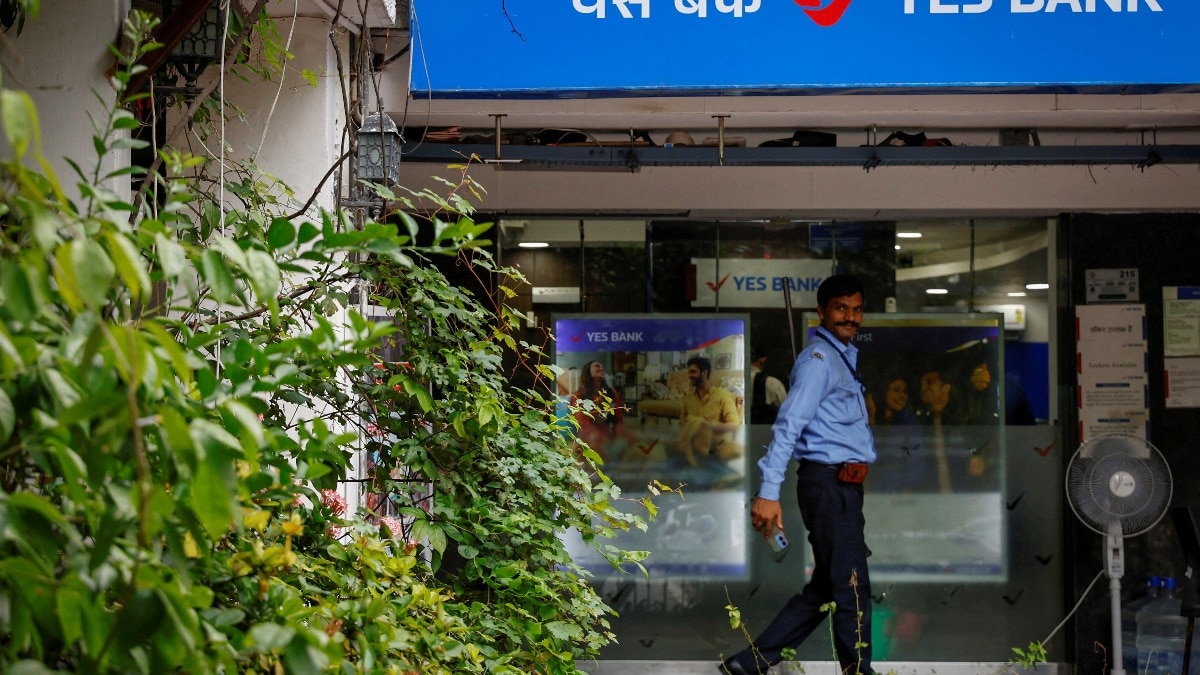
Yes Bank is unlikely to pay AT-1 bond coupons this year despite the Supreme Court ruling on October 15. Investors said they did not get payments due on October 18. The bank has discretion over these payments, which can only be considered after the bonds are back on the books.
Retail investors holding the securities said they had not received coupon payments due on October 18, three days after the Supreme Court ruling. In a letter to Axis Trustee Services Ltd, reviewed by Reuters, investors sought clarity on the payments and urged the debenture trustee to intervene.
“We call upon the Trustee to obtain immediate written confirmation from Yes Bank as to whether this coupon has been paid, cancelled, or remains outstanding,” the bondholders said in the letter.
However, the sources cited by Reuters said the bond documentation gives Yes Bank discretion over coupon payments. The question of payment can be considered only after the AT-1 bonds are reinstated on the bank’s balance sheet.
Supreme Court overturns ₹8,415 crore bond write-off
On October 15, the Supreme Court dismissed appeals filed by Yes Bank, the Reserve Bank of India (RBI) and the Union government, upholding the Bombay High Court’s January 20, 2023, judgment against the write-off of AT-1 bonds worth ₹8,415 crore.
The write-down was carried out in March 2020 as part of Yes Bank’s reconstruction, when the lender was facing a severe financial crisis. The ruling marks a significant legal victory for investors whose holdings were cancelled during the rescue.
The bank’s administrator had written down the bonds as part of the reconstruction process, prompting Axis Trustee Services and other bondholders to challenge the move in court.
Why were Yes Bank’s AT-1 bonds written off?
Yes Bank plunged into a liquidity crisis in March 2020 as bad loans mounted. The RBI took control of the lender and imposed restrictions on withdrawals. A consortium of lenders led by the State Bank of India subsequently stepped in to inject fresh equity capital and stabilise the bank.
As part of the rescue, the bank’s AT-1 bonds were written down. These perpetual debt instruments help banks strengthen their capital base and are riskier than conventional bonds, generally offering higher interest rates. They can be written down or cancelled under specified circumstances to absorb losses when a bank faces financial distress.
Following the Supreme Court ruling, Yes Bank said its Common Equity Tier 1 (CET1) capital ratio could decline by around 250 basis points. Its overall Tier 1 capital ratio, however, was expected to remain unchanged at 14% on a pro forma basis.
The bank also said it had various capital-management options available and retained flexibility to take further capital actions, if required, to support its growth objectives.